the wire · #gadgets · 2026-08-14
9to5Mac Overtime 077: Smart glasses are the future
Cech Tech Reviews
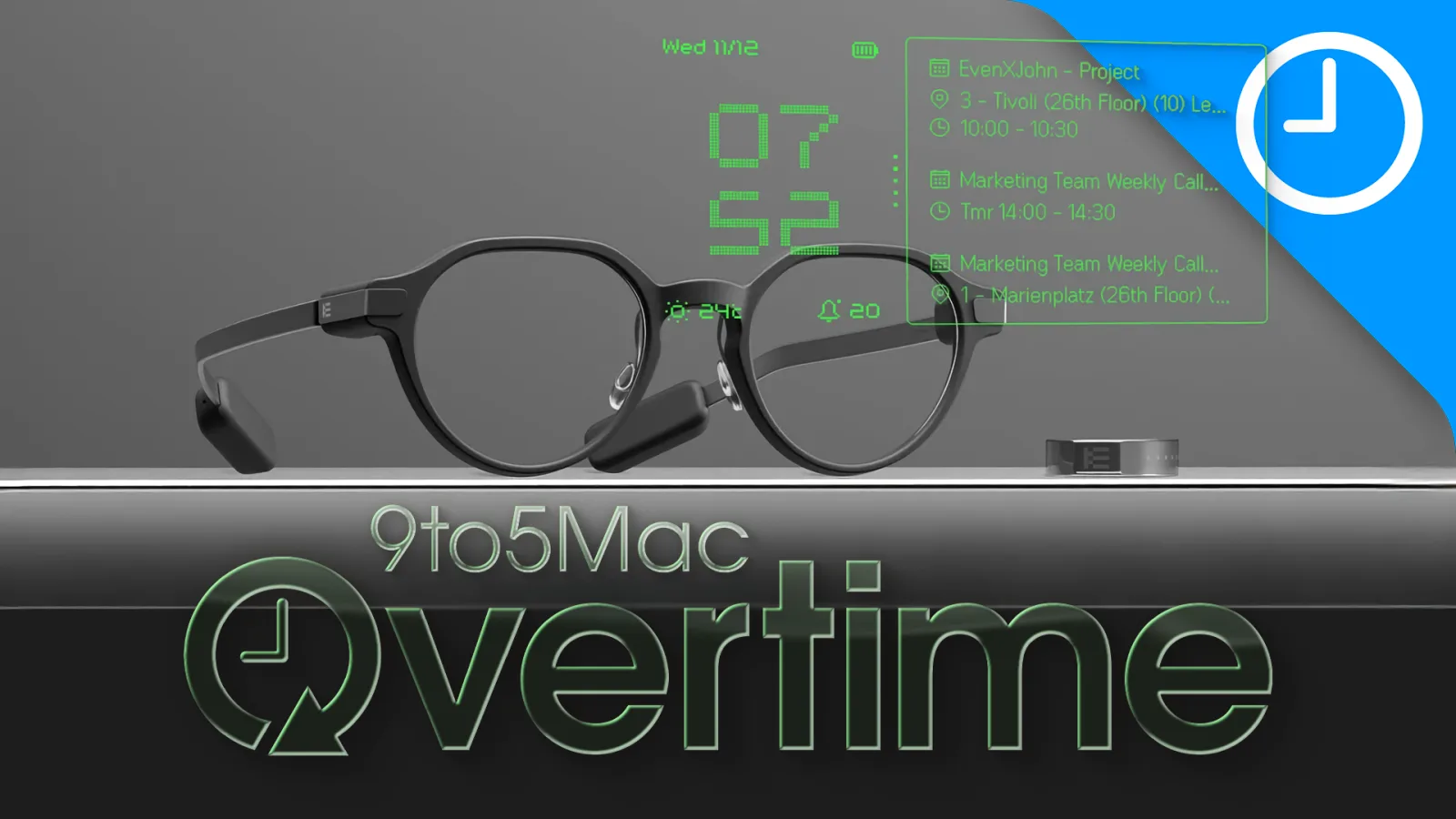
The narrative that Silicon Valley is the undisputed capital of hardware innovation is facing a serious challenge. According to a recent episode of 9to5Mac Overtime, Will Wang, the CEO of Even Realities, suggests that the epicenter of hardware creativity has fundamentally shifted. This perspective offers a refreshing counterpoint to the usual tech commentary that focuses almost exclusively on Bay Area developments.
Wang brings a unique vantage point to this debate given his extensive history with Apple. His background provides him with deep insights into the inner workings of the tech giant that many analysts can only speculate about. This experience allows him to speak with authority about the supply chain dynamics that currently define the industry.
One of the most provocative claims made in the discussion is the idea that China and the broader Asian manufacturing ecosystem are now leading the charge in hardware innovation. This contradicts the long-held belief that design and engineering leadership remain firmly rooted in California. It suggests that the next wave of physical tech breakthroughs may come from unexpected geographic locations.
The conversation also delves into the specific challenges facing the smart glasses market. Even Realities is pushing forward with their G2 model, which aims to bridge the gap between augmented reality and practical daily use. However, the company must navigate significant privacy concerns that have plagued the entire sector. Users are increasingly wary of devices that can record and transmit personal data without clear consent.
Privacy remains the single biggest hurdle for widespread adoption of wearable AI. Wang acknowledges that building trust is not just a technical requirement but a cultural one. Companies must design systems that prioritize user data security from the ground up rather than treating it as an afterthought. This is critical for any device that sits on your face for hours at a time.
The broader implication here is that the future of computing is not just about faster processors or better screens. It is about seamless integration into our physical environment. Smart glasses represent the next step in this evolution, moving us away from handheld screens toward ambient computing. This shift requires a new approach to hardware design and user interaction.
What this means for you is that you should start paying attention to the supply chain and geographic origins of the tech you use. The next big breakthrough might not come from a press release in Cupertino. To prepare for this shift, try using an AI assistant to analyze the privacy policies of emerging wearable tech companies. Ask it to summarize the data collection practices and highlight any red flags regarding third-party sharing. This simple workflow can help you make more informed decisions about which devices to trust with your personal information.
Reporting basis: original story
← back to The Wire