the wire · #ai · 2026-07-21
America needs to stop getting shocked by Chinese AI
Cech Tech Reviews
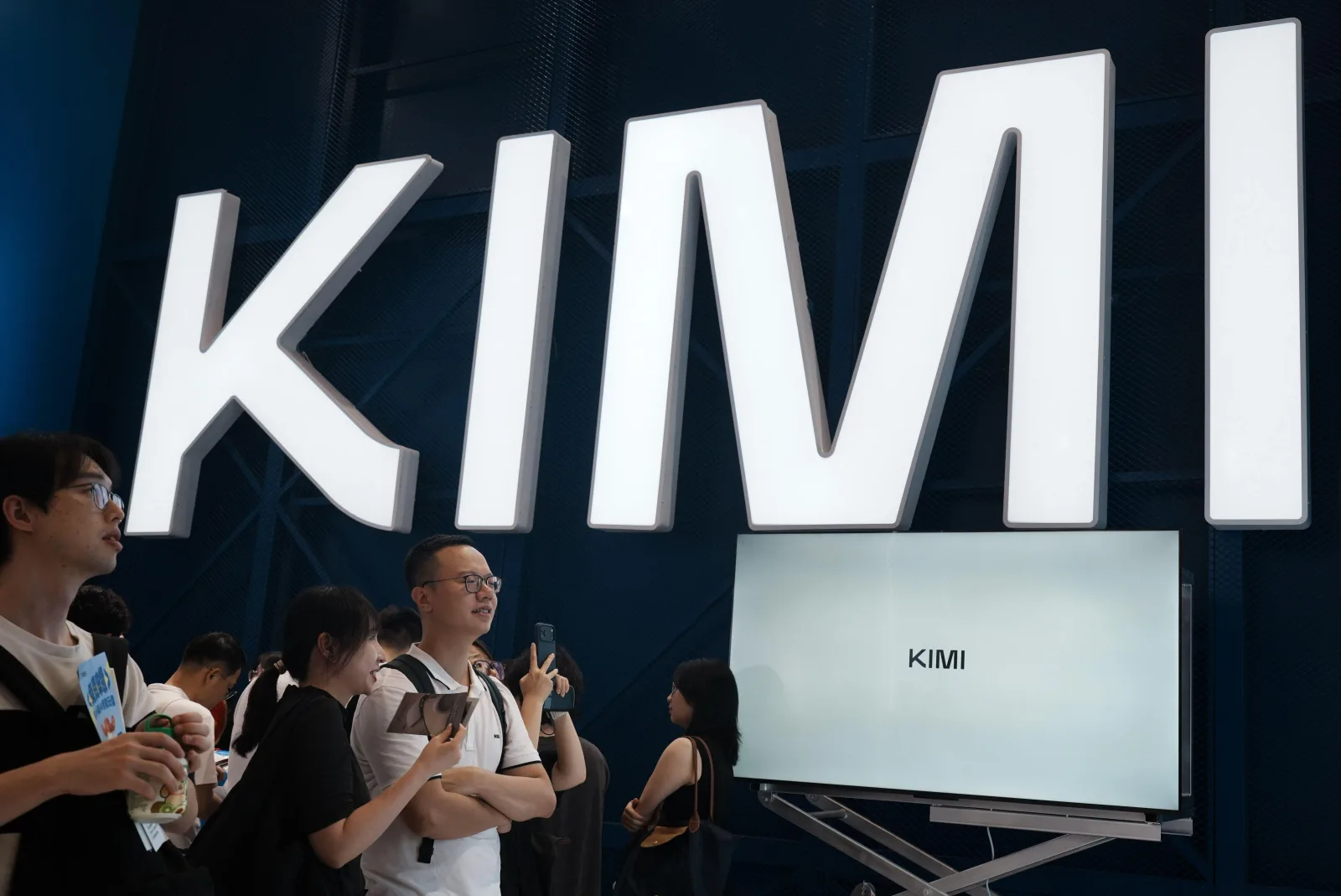
The recent unveiling of new large language models by Chinese startups like Moonshot has triggered the usual wave of panic across Silicon Valley. According to reporting by The Verge, headlines immediately jumped to claims that the US tech industry was taken by surprise. This narrative suggests that American dominance is suddenly hanging by a thread, a claim that warrants a much closer look than the typical punditry provides.
It is worth noting that the models in question, such as Kimi, are being showcased at major events like the World AI Conference in Shanghai. The visual of these booths drawing crowds is powerful, but it does not automatically equate to a collapse of Western leadership. The market reaction, with stocks tumbling and commentators declaring Silicon Valley shaken, feels more like a reflex than a reasoned assessment of technical capability.
The Associated Press and Bloomberg have framed this as a surprise breakthrough that could force US firms to rethink their massive capital expenditures. This framing implies that American companies have been sleeping on the competition. However, this ignores the fact that the US has been aware of China’s rapid progress in AI infrastructure for years. The shock value seems manufactured to drive engagement rather than reflect a genuine strategic blind spot.
Policymakers are already reaching for the familiar language of arms races and wake-up calls. This rhetorical pattern has become so routine that it risks losing its urgency. When every incremental step by a competitor is labeled a crisis, we dilute the meaning of actual security threats. We need a more nuanced understanding of where Chinese models excel and where they still lag behind their American counterparts.
The concern over data centers and chip spending is valid, but it is not a new problem. US firms have been investing heavily in these areas precisely because they anticipate global competition. The idea that a single model release could render these investments obsolete is an oversimplification. The real competition is in the ecosystem, the talent pool, and the integration of AI into enterprise workflows, not just in benchmark scores.
We must stop treating Chinese AI advancements as a monolithic threat that catches us off guard. Instead, we should view them as a mirror reflecting our own vulnerabilities and areas for improvement. By removing the element of surprise, we can focus on sustainable innovation rather than reactive panic. This shift in perspective is crucial for maintaining long-term competitiveness in the global AI landscape.
What this means for you
As a professional using AI tools, do not let market hype dictate your technology choices. Evaluate models based on their specific utility for your workflow rather than their geopolitical origin. Try this prompt to test a new model’s reasoning capabilities independently: "Analyze the following complex problem and provide a step-by-step solution, highlighting any potential biases or logical gaps in your reasoning." This helps you assess the tool’s actual performance rather than relying on external narratives.
Reporting basis: original story
← back to The Wire