
the wire · #gadgets · 2026-06-27
Apple asks Trump admin to approve Chinese RAM after product price increases
Cech Tech Reviews
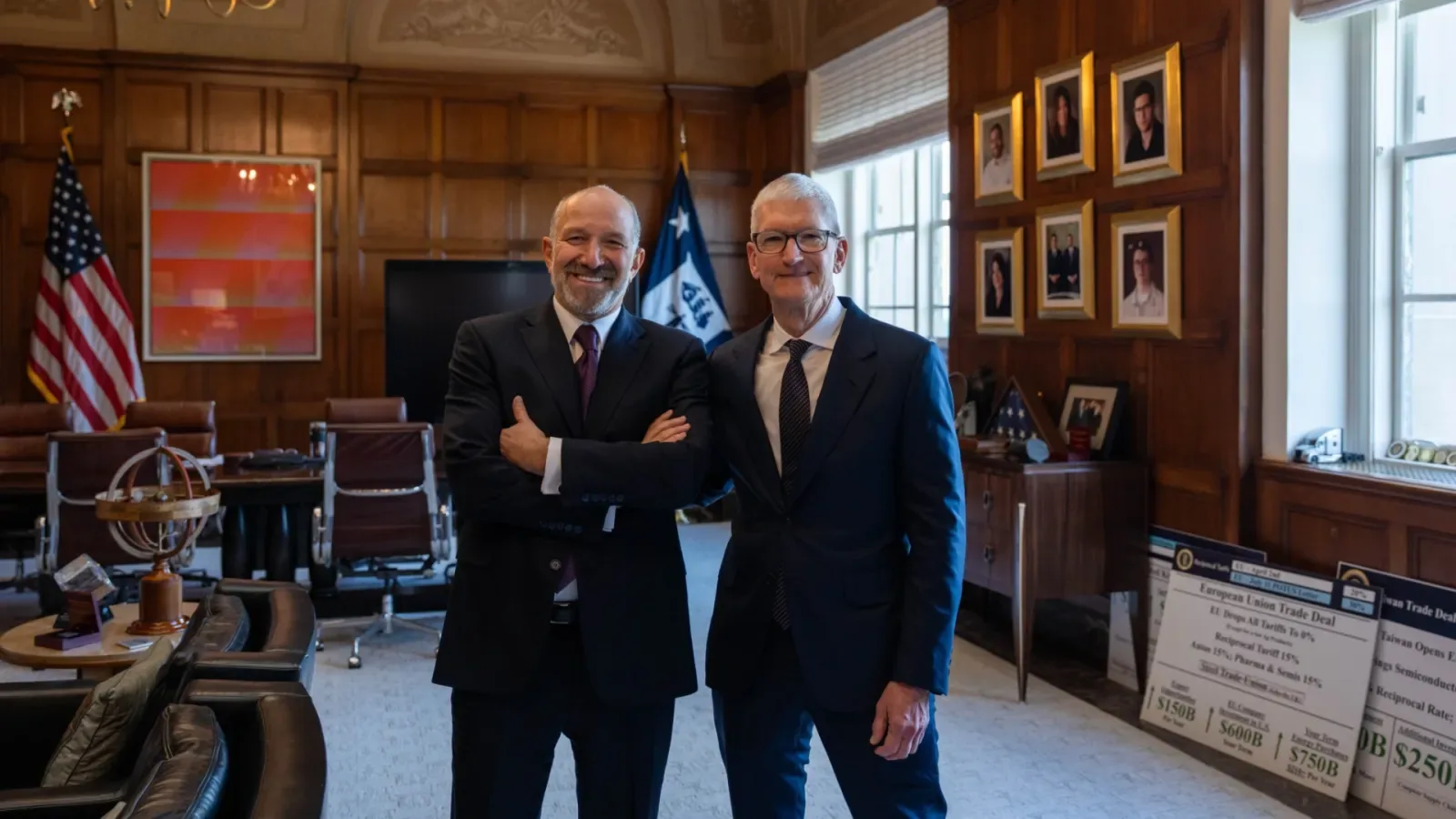
According to the Financial Times, Apple has formally asked the Trump administration to grant an exemption that would let it buy memory chips from a Chinese company that sits on a U.S. blacklist. The request is framed as a response to rising component costs and a worldwide shortage of DRAM, a bottleneck that has been driving up prices for smartphones, laptops and other devices.
Apple’s move underscores how fragile the modern hardware supply chain has become. Even a tech giant with deep pockets can feel the pressure of a constrained memory market, especially when manufacturers scramble to meet the demand of data‑intensive applications. By seeking a special waiver, Apple is signaling that the cost of waiting for a cleared supplier outweighs the risk of dealing with a sanctioned firm.
The decision also highlights the tension between national security policy and commercial reality. Blacklisting is meant to limit technology transfer to strategic rivals, yet the global nature of chip manufacturing means that a ban can reverberate back to U.S. customers. Apple’s request suggests it believes the immediate need for chips outweighs potential geopolitical fallout, at least for now.
From an AI perspective, the shortage of DRAM matters because modern models rely heavily on fast, high‑capacity memory for both training and inference. Apple’s devices, especially the M‑series Macs, are increasingly used by developers to prototype and run smaller AI workloads. A drop in memory availability could slow down these experiments or force developers to look for alternatives.
If Apple secures the clearance, it could set a precedent for other hardware firms facing similar constraints. Companies might start to lobby for more flexible licensing arrangements, arguing that the competitive edge of U.S. tech firms depends on reliable access to key components, even from restricted sources.
On the flip side, the move could raise security concerns. Blacklisted suppliers are often flagged for potential espionage or intellectual‑property risks. Firms that obtain exemptions must implement strict auditing and isolation measures to protect sensitive designs, a cost that may offset some of the savings from lower chip prices.
What this means for you is that any AI projects that rely on Apple hardware may see more stable pricing and availability if the exemption is granted. However, keep an eye on compliance requirements and potential hardware‑specific security updates that could affect your workflow.
What to try: Use an AI assistant to map out a memory‑optimisation plan for your current Mac‑based models. Prompt example, "Analyze the memory usage of my PyTorch training script on an M2 Mac, suggest batch‑size adjustments and any model‑pruning techniques that keep performance above 90% of the baseline while staying under 8 GB of RAM."
Reporting basis: original story
← back to The Wire
![I tested 200+ iOS 27 features and changes, here are 10 of my favorites [Video]](https://aideaflow.com/api/img/news/9602f98f5b82a8e8.webp)


![Anthropic cleared to release Claude Mythos 5 to over 100 US institutions [U]](https://aideaflow.com/api/img/news/ccfa3479a4fbe549.webp)