the wire · #gadgets · 2026-07-06
Apple overhauls RAW photo processing with iOS 27, showcases impressive results
Cech Tech Reviews
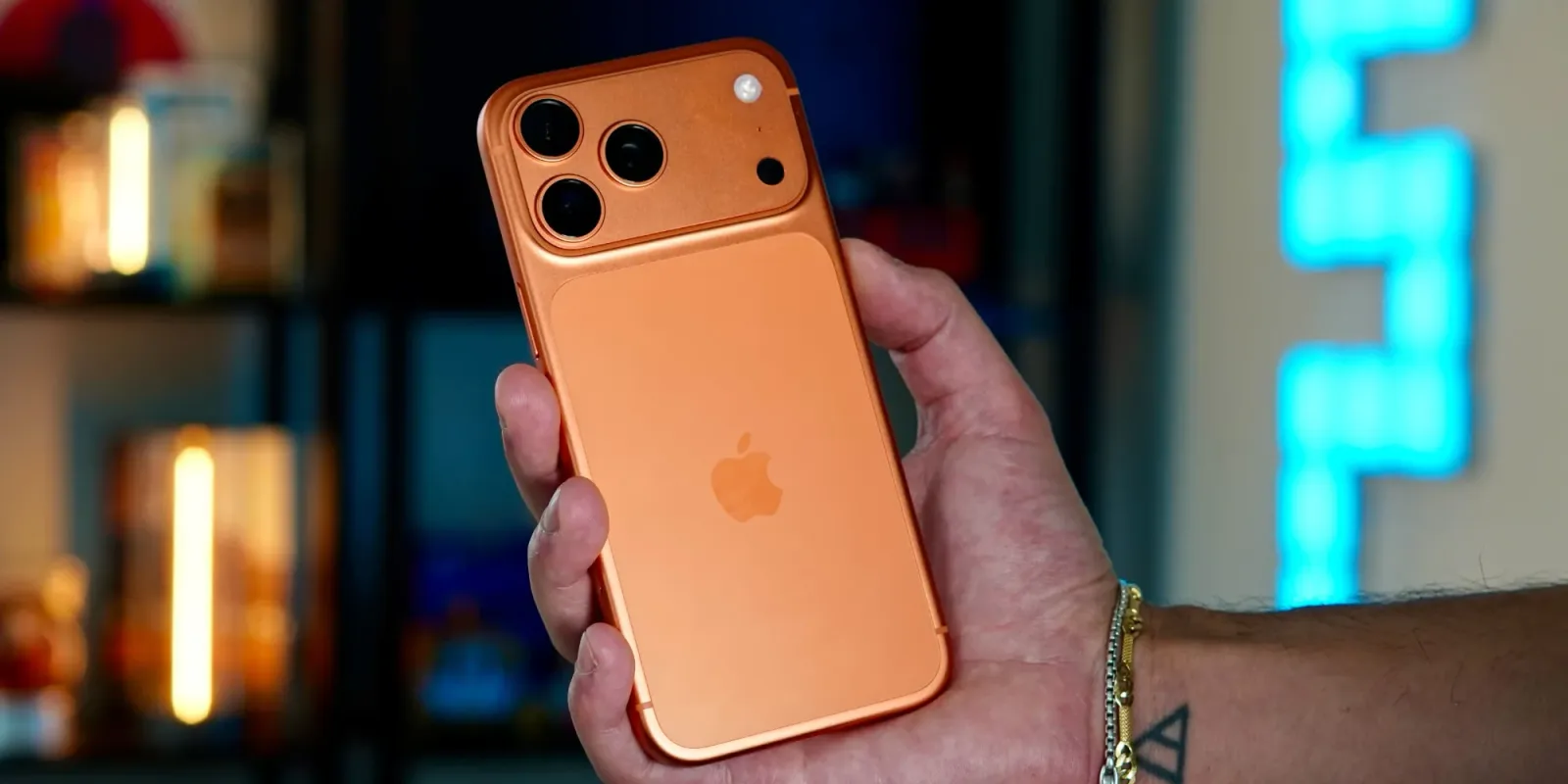
Apple is quietly making one of the most significant moves in mobile photography with the introduction of iOS 27. According to recent reports, the company is overhauling its system-level RAW image processing engine to leverage machine learning in ways we have not seen before. This is not just a minor tweak to the camera app. It represents a fundamental shift in how the iPhone handles raw data at the deepest level of the operating system.
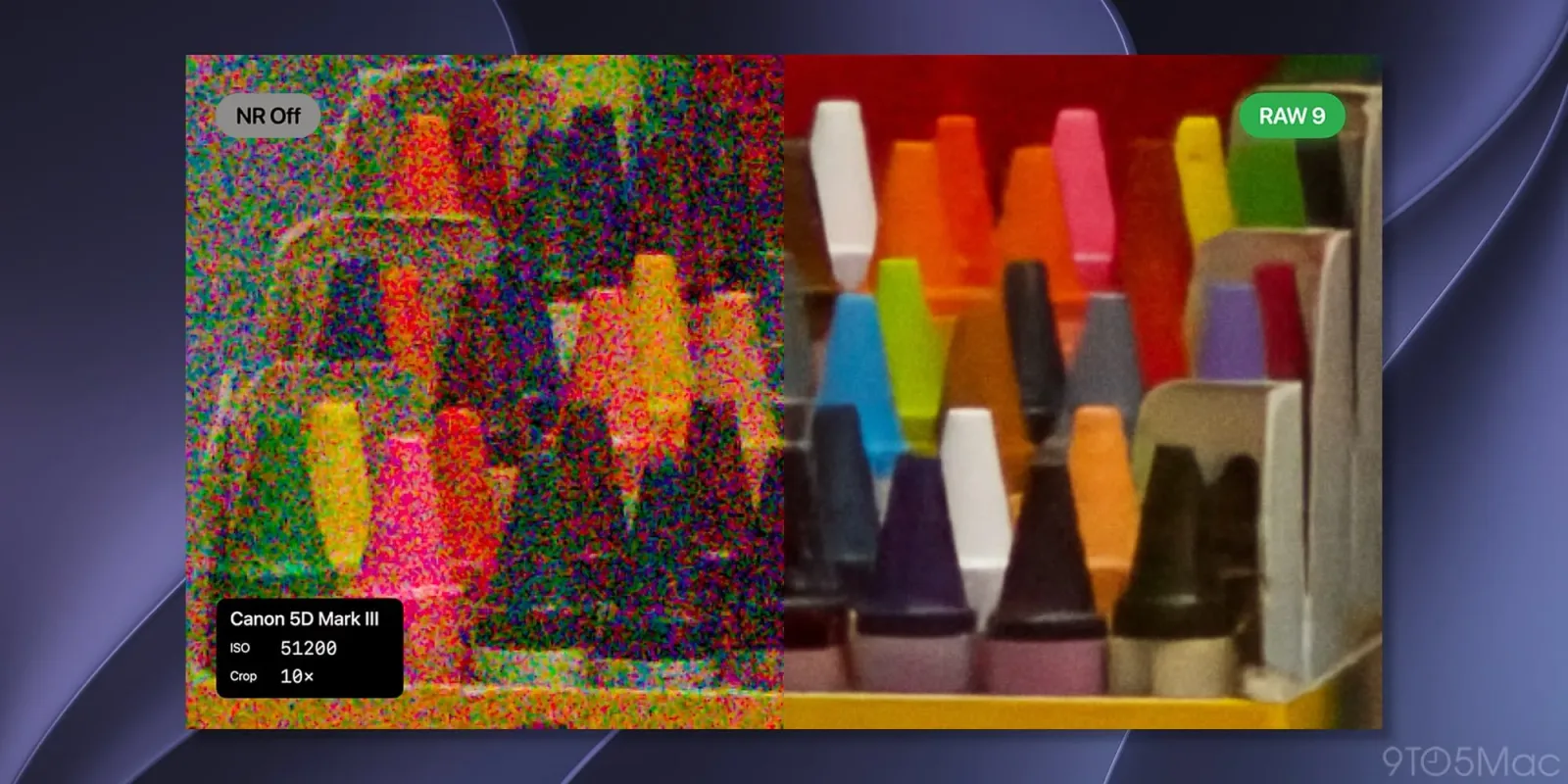
The core of this update lies in the new processing engine's ability to use AI to drastically improve detail and reduce noise. For years, mobile RAW files have been a compromise. They offered more data than JPEGs but often lacked the computational polish that makes smartphone photos so appealing. Apple is now bridging that gap by applying advanced neural networks to the raw sensor data before it even reaches the user's editing software.
What is particularly interesting is the backward compatibility aspect. Apple is allowing this new processing power to be applied to older RAW photos that were taken on previous versions of iOS. This means that a photo you took two years ago can be reprocessed today to look sharper and cleaner. It effectively gives your entire photo library a potential upgrade without requiring new hardware or a new camera session.
This move has huge implications for professional photographers who rely on the iPhone for quick shoots or backup captures. The ability to reprocess older files suggests that Apple is treating the photo library as a dynamic asset rather than a static archive. It changes the workflow from capture to edit, allowing for iterative improvements over time as the software gets smarter.
From a technical standpoint, this highlights the growing importance of on-device machine learning. Apple is pushing the boundaries of what the Neural Engine can do in real-time or during batch processing. By handling noise reduction and detail enhancement at the system level, they are ensuring that third-party apps can access higher quality data without needing to reinvent the wheel.
The broader industry context here is clear. As smartphone sensors continue to face physical limitations, computational photography becomes the only way to improve image quality. Apple is doubling down on this strategy by making AI an integral part of the RAW pipeline. This sets a new standard for what users should expect from mobile photography tools in the coming years.
For content creators and AI enthusiasts, this is a signal to start experimenting with RAW workflows on iOS. The ability to reprocess images means you can shoot with more confidence, knowing that post-processing will be more powerful and efficient. It also opens up new possibilities for AI-assisted editing tools that can leverage this enhanced data.
What this means for you: Start shooting in RAW more often, even for casual snaps. The new engine will make those files more valuable over time. Try this prompt with your AI assistant to understand the technical benefits: "Explain the difference between computational JPEG processing and ML-enhanced RAW reprocessing in simple terms, and list three practical workflow benefits for a mobile photographer using iOS 27."
Reporting basis: original story
← back to The Wire