the wire · #ai · 2026-07-18
Apple’s plot to crush OpenAI
Cech Tech Reviews

Apple has officially entered the legal arena against OpenAI, a move that signals a much more aggressive stance in the ongoing battle for artificial intelligence supremacy. According to reporting by The Verge, this lawsuit is not just a routine legal filing but a highly publicized confrontation that raises questions about Apple's long-term strategy in the AI space. The intensity of the complaint suggests that Apple views OpenAI not merely as a competitor but as a direct threat to its core business model.
The allegations in the lawsuit are detailed and intense, yet many industry experts argue that they describe standard practices within the tech industry. This discrepancy between the legal claims and industry norms is intriguing. It implies that Apple may be using the legal system to set new precedents or to create friction for a rival that has gained significant market traction. The lawsuit appears to be as much about signaling strength to investors and users as it is about seeking damages.
Apple has a well-documented history of engaging in splashy litigation to protect its intellectual property and market position. By picking a public fight with OpenAI, Apple is leveraging its reputation for being a formidable legal opponent. This strategy serves to deter other potential entrants into the AI space while reinforcing Apple's image as a guardian of user privacy and data security. It is a calculated move to define the boundaries of acceptable behavior in the rapidly evolving AI landscape.
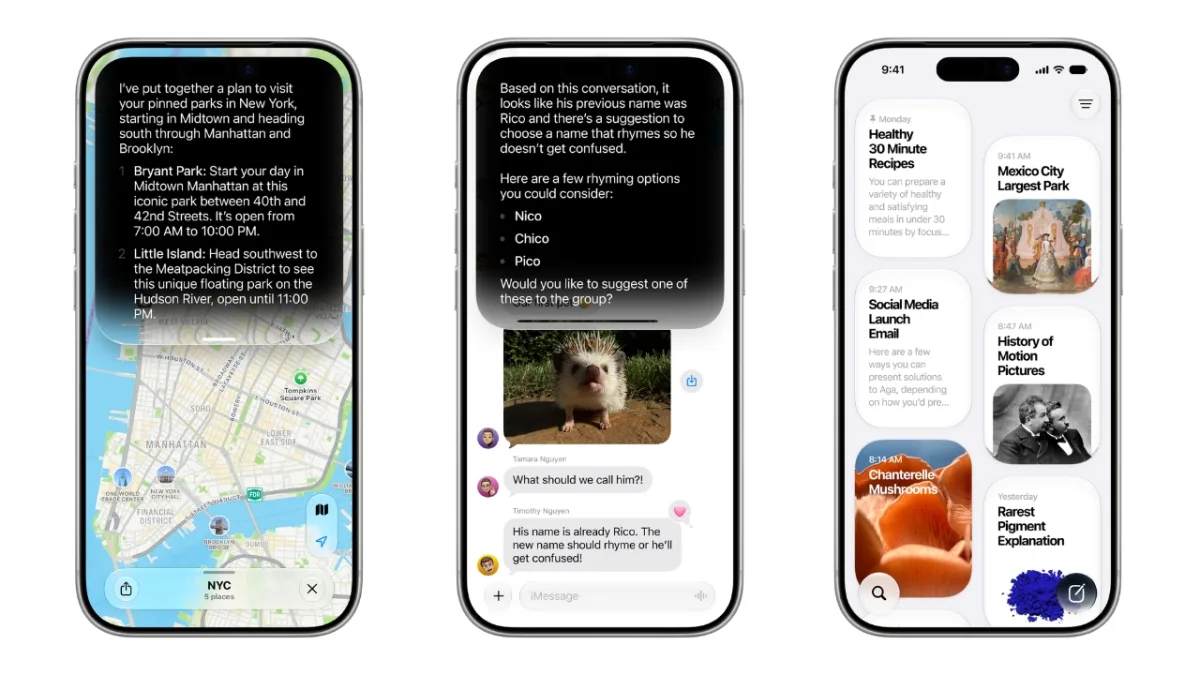
Timing is everything in this scenario, and Apple is making its move as it prepares to ship public betas of its new software. The headline feature of this update is a revamped Siri, which Apple is positioning as a more capable and integrated AI assistant. By launching these features alongside a high-profile lawsuit, Apple is attempting to draw a clear line in the sand. It is telling users that their data is safer with Apple than with third-party providers like OpenAI.
The core of the dispute likely revolves around data usage and privacy. OpenAI has relied heavily on vast amounts of data to train its models, a practice that Apple claims infringes on user rights. Apple’s argument is that the unauthorized use of data from its platforms undermines the trust users place in its ecosystem. This is a powerful narrative for a company that has built its brand on privacy, even if the legal merits are debated by experts.
This legal battle also highlights the shifting dynamics of the AI industry. OpenAI has been a pioneer in generative AI, but its reliance on partnerships with tech giants like Microsoft has raised questions about its independence. Apple’s lawsuit may be an attempt to capitalize on a perceived weakness in OpenAI’s position. By challenging OpenAI’s methods, Apple hopes to slow down its competitor’s progress and buy time for its own AI initiatives to mature.
What this means for you: As a professional using AI tools, you should be aware that the legal landscape is shifting. The outcome of this lawsuit could influence how data is collected and used by AI providers. For now, it is wise to review the privacy policies of the AI tools you use daily. Consider testing a workflow where you anonymize sensitive data before feeding it into any AI assistant. You can try this prompt with your AI tool to see how it handles privacy-conscious inputs: "Analyze this text for sensitive information and redact any personal identifiers before proceeding with the summary." This simple step can help you stay ahead of potential regulatory changes.
Reporting basis: original story
← back to The Wire