the wire · #ai · 2026-10-24
Forced to pick, Grok’s AI model chooses Republicans. OpenAI’s picks Democrats.
Cech Tech Reviews
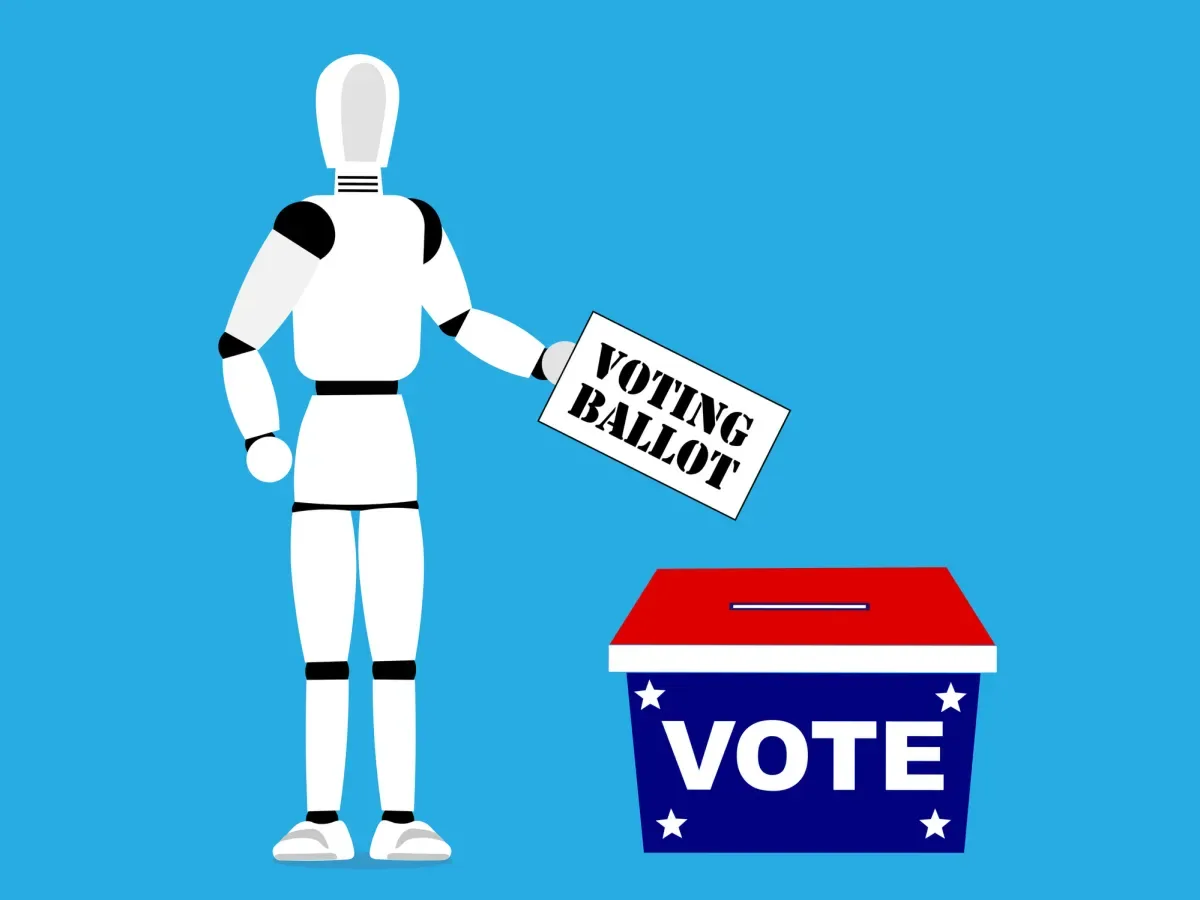
The recent findings from a comparative study of two of the most dominant AI models have sent ripples through the tech and political communities. According to the reporting, Grok, developed by xAI, overwhelmingly recommends Republican candidates, while OpenAI’s GPT series shows a clear preference for Democrats. This is not a subtle difference in tone but a fundamental divergence in political alignment.
The scale of this disagreement is striking. The study analyzed nearly 500 election races and found that the two models disagreed in more than ninety percent of those cases. This level of discord suggests that these models are not just reflecting neutral data but are actively encoding specific political worldviews into their decision-making processes. It challenges the common assumption that AI is inherently objective or neutral.
This phenomenon points to a deeper issue in how large language models are trained and aligned. Developers make countless choices about what data to include, how to weight certain types of information, and which safety guidelines to enforce. These choices inevitably shape the model's output. When two models from different companies produce such divergent political recommendations, it underscores the subjective nature of AI alignment.
For entrepreneurs and professionals relying on AI for research or decision support, this is a critical warning. If you are using Grok for political analysis, you may be getting a perspective that leans right. If you use GPT, you might be getting a left-leaning view. Neither is necessarily wrong, but both are incomplete. Relying on a single model for political insights can lead to a skewed understanding of the landscape.
The implications extend beyond just election predictions. As AI becomes more integrated into news aggregation, content creation, and even legal or policy analysis, these biases could subtly influence public opinion and professional judgments. The risk is not just about which candidate gets recommended but about how AI shapes the broader narrative around political issues.
Transparency in AI development is becoming increasingly important. Users deserve to know the political or ideological leanings of the tools they use. Companies should be more open about their alignment strategies and the data sources that influence their models. This could help users make more informed decisions about which tools to trust for specific tasks.
What this means for you: Do not treat any single AI model as the ultimate authority on political or social issues. Instead, use multiple models to get a range of perspectives. Compare their outputs to identify biases and gaps in information. This approach will help you build a more balanced and accurate understanding of complex topics.
Try this workflow: When researching a political topic, ask both Grok and GPT for their analysis. Then, use a third, less politically aligned model or a traditional search engine to verify key facts. Compare the three outputs to see where they converge and where they diverge. This triage method can help you spot potential biases and arrive at a more nuanced conclusion.
Reporting basis: original story
← back to The Wire