the wire · #ai · 2026-11-12
How backlash and red tape continue to slow data centers post-Blue Wave
Cech Tech Reviews

The narrative that artificial intelligence infrastructure is an unstoppable force is colliding with hard physical and political realities. According to recent reporting, the data center boom is facing serious real-world obstacles that go far beyond simple supply chain issues. Local opposition, complex permitting processes, and a scramble for reliable electricity are slowing progress significantly.
Before these logistical nightmares even come into play, there is a more fundamental problem. A significant portion of the projects currently being announced may never actually get built. This creates a dangerous gap between the billions of dollars in capital being pledged and the actual compute capacity available to run AI models.
This disconnect is critical for entrepreneurs and investors to understand. The market is currently pricing in a level of infrastructure deployment that simply does not exist yet. When the dust settles, many of these announcements will likely be revealed as speculative placeholders rather than concrete plans.
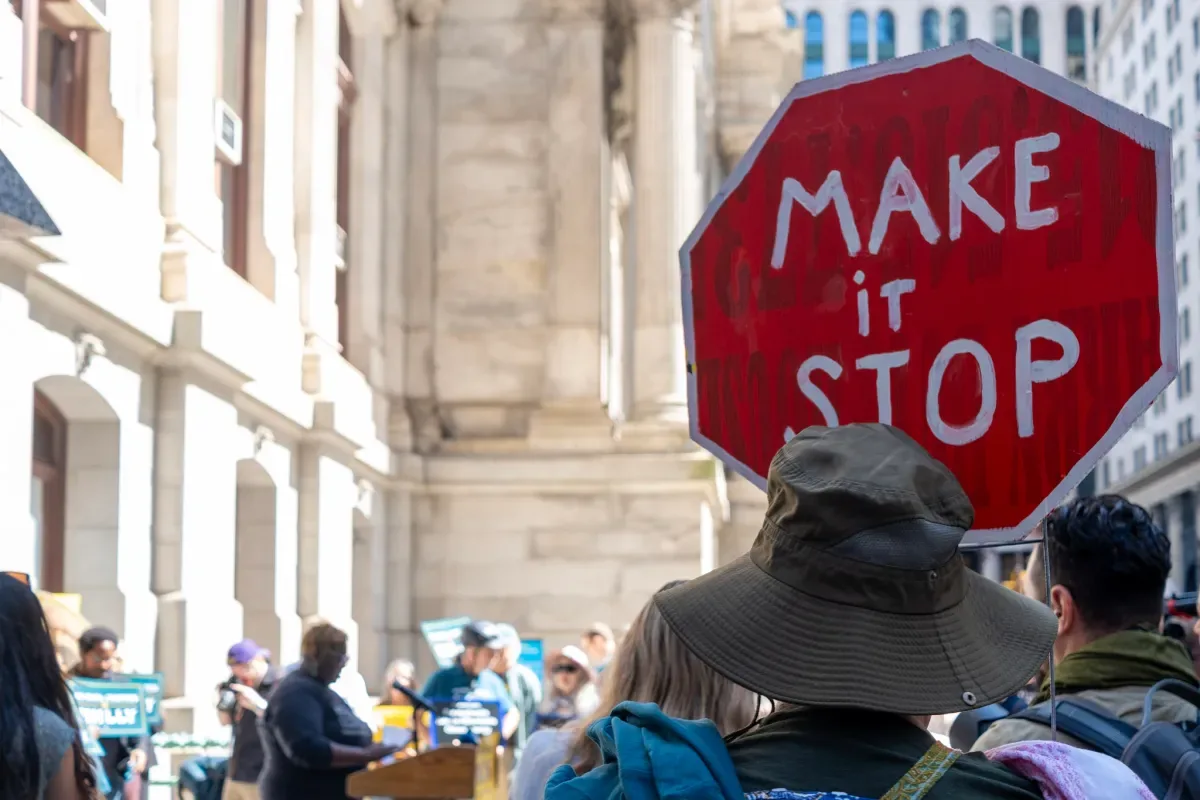
The political landscape, described as a post-Blue Wave environment, adds another layer of complexity. Local communities are increasingly vocal about the environmental and infrastructural impact of massive data centers. This backlash is not just noise; it is translating into actual delays and increased costs for developers.
For AI professionals, this means the path to scaling models may be longer and more expensive than anticipated. The assumption that you can simply spin up new infrastructure on demand is becoming less reliable. Supply constraints in power and land are becoming the new bottleneck for AI growth.
What this means for you is that you need to plan for infrastructure scarcity. Instead of assuming infinite compute availability, optimize your models for efficiency and consider edge computing solutions where possible. Try this prompt with your AI assistant to analyze your current workflow for optimization opportunities: Identify three steps in my current data processing pipeline that can be simplified or automated to reduce computational load and latency.
Reporting basis: original story
← back to The Wire