the wire · #topnews · 2026-06-28
How to See the Giant Asteroid That Will Pass by Earth This Weekend
Cech Tech Reviews
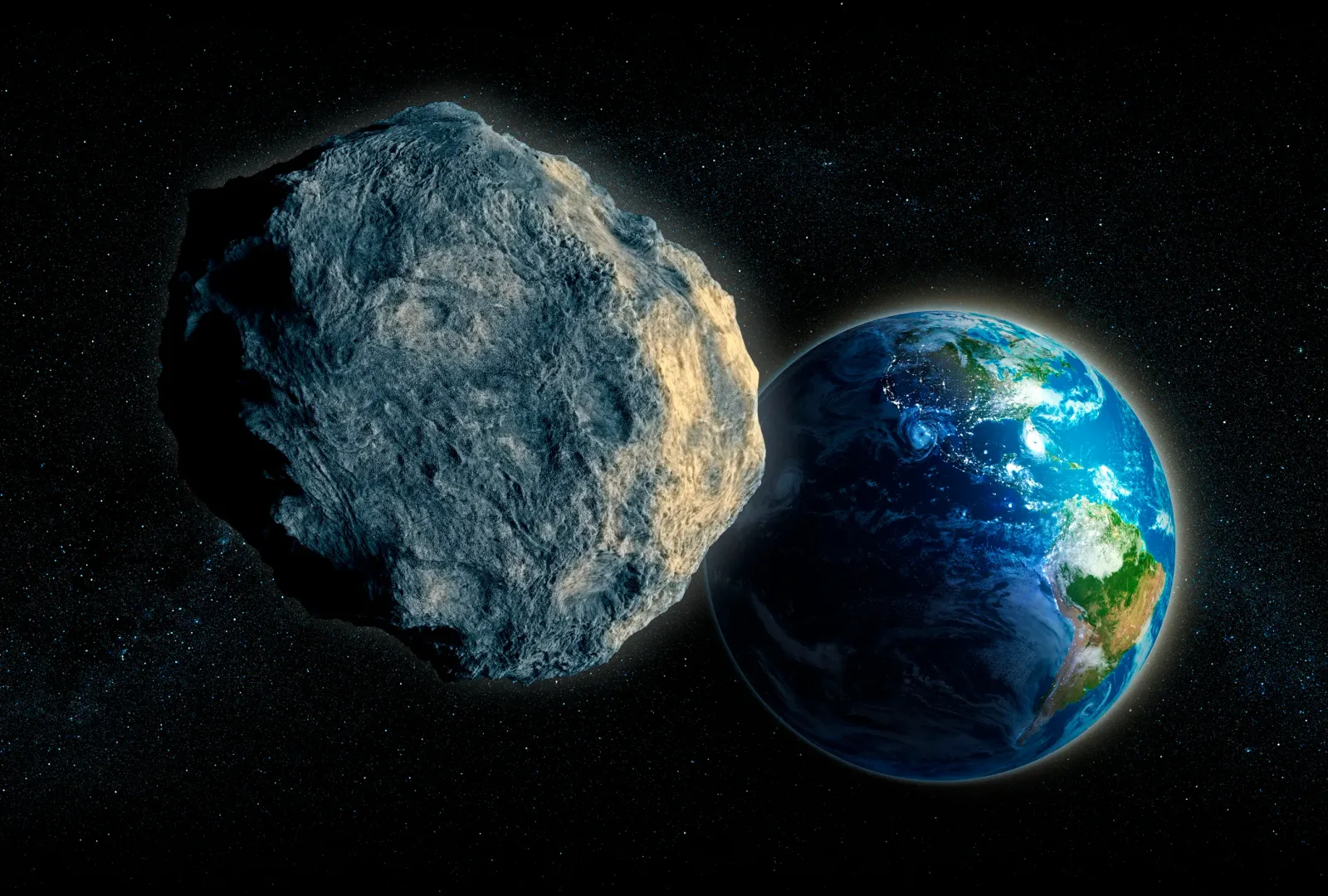
The upcoming celestial event featuring a giant asteroid passing close to Earth is generating significant buzz among amateur astronomers and space enthusiasts alike. According to recent reports, this specific asteroid will be visible for several nights from various locations around the globe. The opportunity to witness such a massive object moving through our cosmic neighborhood is not just a spectacle but a reminder of the dynamic nature of our solar system.
What makes this particular flyby noteworthy is the accessibility of the viewing conditions. You do not need to be an expert astrophysicist or have a telescope with a diameter of several feet to catch a glimpse of this celestial visitor. The reports indicate that with the right timing and minimal equipment, many people will be able to spot it. This democratization of space observation is a trend we are seeing more frequently as technology lowers the barrier to entry for stargazing.
The key to success lies in preparation and location. Observers are advised to find a spot with minimal light pollution, as urban glow can easily wash out the faint light of distant asteroids. The reports suggest checking local sky conditions and planning your viewing window carefully. This practical advice underscores the importance of environmental factors in amateur astronomy, a detail often overlooked by casual observers who assume visibility is guaranteed.
From an AI and technology perspective, this event serves as a perfect use case for modern digital tools. While the source material focuses on traditional viewing methods, the integration of AI-driven sky mapping applications can significantly enhance the experience. These tools use computer vision and augmented reality to overlay celestial data onto your camera feed, making it easier to identify objects in real time. This intersection of traditional hobbyist interests and cutting-edge software is where the real value lies for tech-savvy users.
The broader implication here is the growing synergy between public interest in space and the tools we use to explore it. As AI models become more adept at processing astronomical data, the gap between professional observatories and backyard enthusiasts continues to shrink. This event is not just about seeing an asteroid; it is about participating in a global community of observers who are leveraging technology to understand our place in the universe.
For those looking to maximize their experience, consider using an AI assistant to plan your observation. You can ask your AI tool to generate a personalized viewing schedule based on your specific geographic coordinates and local weather forecasts. This approach transforms a passive viewing activity into an optimized, data-driven experience. It is a small step that exemplifies how AI can enhance even the most traditional of human endeavors.
What this means for you: Start by downloading a reliable sky-mapping app that utilizes augmented reality. Then, use an AI chatbot to help you interpret the data. Try this prompt: "Based on my location in [Your City], what is the best time tonight to view the asteroid, and what are the current cloud cover predictions?" This simple workflow combines real-time data with AI analysis to ensure you do not miss the event.
Reporting basis: original story
← back to The Wire