the wire · #gadgets · 2026-07-30
Jony Ive's first OpenAI hardware device sounds rather like … a HomePad
Cech Tech Reviews
The wait for OpenAI’s first physical hardware device has been a marathon of teasers and vague promises. Jony Ive and Sam Altman have been hinting at a breakthrough product for quite some time, but the timeline keeps shifting. According to recent reports, the launch is now expected sometime next year, suggesting that the initial excitement may have outpaced the actual development readiness.
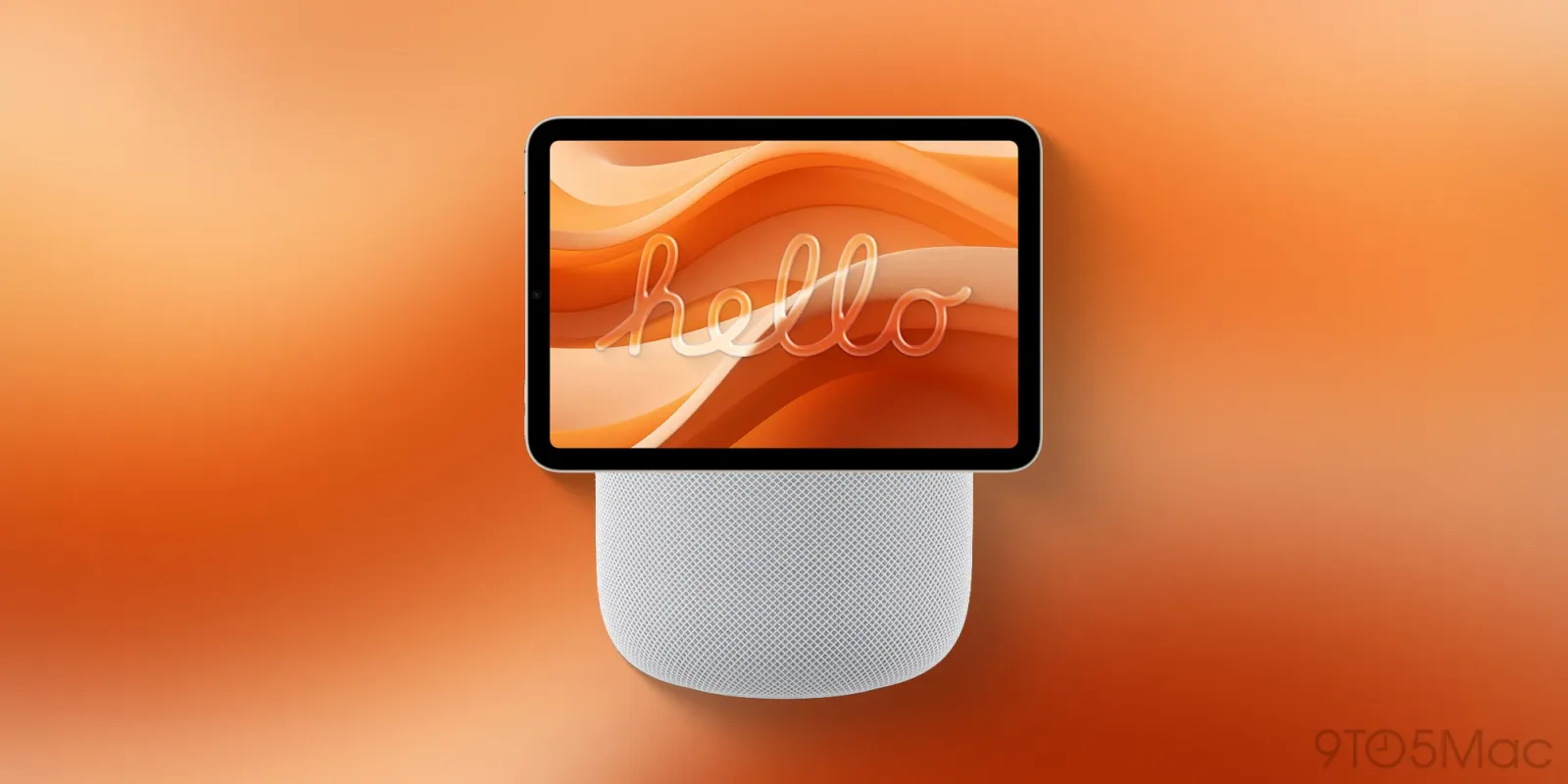
Despite the delay, the direction of the device is becoming clearer. An interview released yesterday points toward a form factor that closely resembles a HomePad. This is a significant clue because it moves the conversation away from abstract concepts and toward a tangible, stationary object designed for the home environment.
The HomePad comparison is particularly interesting because it suggests a focus on ambient intelligence. Unlike a smartphone that requires active engagement, a device like this would likely sit on a counter or desk, always listening and ready to assist. It implies a shift from reactive AI tools to proactive, context-aware assistants that live in our physical spaces.
Jony Ive’s involvement brings a specific design philosophy to the table. He is known for stripping away complexity and focusing on intuitive user experiences. If the device truly mirrors the HomePad concept, we can expect a minimalist aesthetic that prioritizes ease of use over feature bloat. This aligns with the broader trend of hardware becoming more invisible and seamless.
This move also highlights OpenAI’s strategy to diversify beyond software. By entering the hardware space, they are looking to create a dedicated channel for their AI capabilities. This could mean deeper integration with their models and a more controlled user experience compared to third-party apps. It is a bold step that could redefine how we interact with large language models in daily life.
The implication for the tech industry is substantial. If OpenAI succeeds with a HomePad-like device, it could set a new standard for AI hardware. Other companies will likely scramble to develop similar always-on assistants, leading to a new wave of smart home devices that are truly intelligent rather than just connected.
What this means for you is that the future of AI interaction is moving toward dedicated, always-on devices. Instead of opening an app, you might simply speak to a device in your home. To prepare for this shift, try using an AI assistant to simulate a home dashboard workflow. Ask your AI to generate a daily briefing that combines your calendar, weather, and news headlines into a concise audio script you can listen to while getting ready.
This approach helps you get comfortable with voice-first interactions and ambient information delivery. As hardware like the rumored OpenAI device becomes a reality, these small experiments will make the transition smoother. Keep an eye on the launch next year, as it could mark a turning point in how we integrate AI into our physical environments.
Reporting basis: original story
← back to The Wire