the wire · #gadgets · 2026-08-25
MacBook Lock aims to keep your laptop safe in coffee shops
Cech Tech Reviews
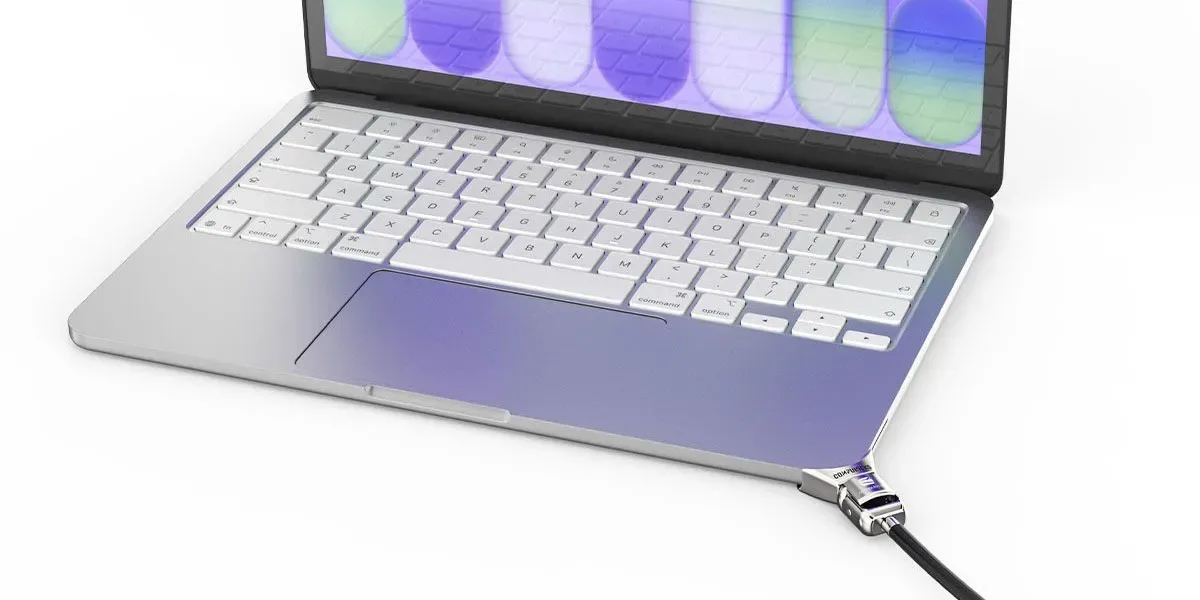
For years, the Kensington lock slot was a quiet but essential feature on business laptops. It provided a simple, mechanical way to tether a device to a fixed object, offering peace of mind in crowded coffee shops or busy conference halls. Apple included these slots on their MacBooks for a long time, recognizing that many professionals needed to step away from their desks without carrying heavy hardware everywhere.
That era has officially ended. Apple removed the physical security slots from their newer MacBook models to achieve thinner profiles and cleaner designs. This decision prioritized aesthetics and portability over the traditional security needs of enterprise users. It reflects a broader industry trend where hardware manufacturers assume users will rely on software solutions or personal vigilance for device security.
According to recent reports, the market has responded with a wave of third-party adapters. These small devices plug into the USB-C or Thunderbolt ports to recreate the missing security anchor. They allow users to secure MacBook Neo, Air, and Pro models just like their predecessors. This workaround is currently the only viable option for those who still need physical tethering.
The reliance on adapters introduces a new layer of complexity and potential failure points. These add-ons can be fragile, prone to breaking if pulled too hard. They also occupy valuable ports that might be needed for high-speed data transfer or charging. Users must now weigh the convenience of a sleek laptop against the added bulk and risk of external security hardware.
This shift also signals a change in how we think about physical security in the digital age. As devices become more integrated and less modular, the responsibility for security moves entirely to the user. It raises questions about whether software-based tracking and remote wiping are sufficient substitutes for a physical lock. Many professionals argue that physical deterrence is still the first line of defense against opportunistic theft.
The availability of these adapters shows that the demand for physical security has not disappeared. It has merely been displaced into the accessory market. This creates a fragmented experience where security depends on the quality and availability of third-party products. It also adds an unexpected cost for users who expect their laptops to be secure out of the box.
What this means for you: If you work in public spaces, do not assume your new MacBook is secure by default. You must actively purchase a compatible Kensington lock adapter and test it before you rely on it. Consider combining this with a cable management sleeve to hide the adapter and reduce the risk of accidental damage. Try this workflow: Use an AI assistant to compare the latest Kensington lock adapters for your specific MacBook model, checking for port compatibility and durability reviews to ensure you get a reliable solution.
The removal of the slot is not just a design choice. It is a statement about the evolving nature of professional hardware. As we move forward, the balance between sleek design and practical utility will continue to be a point of contention. Users must stay informed and adaptable to maintain their security posture in an increasingly mobile world.
Reporting basis: original story
← back to The Wire