the wire · #ai · 2026-10-27
Meta AI director Rohit Patel leaves to take on Microsoft Office and Google Workspace
Cech Tech Reviews
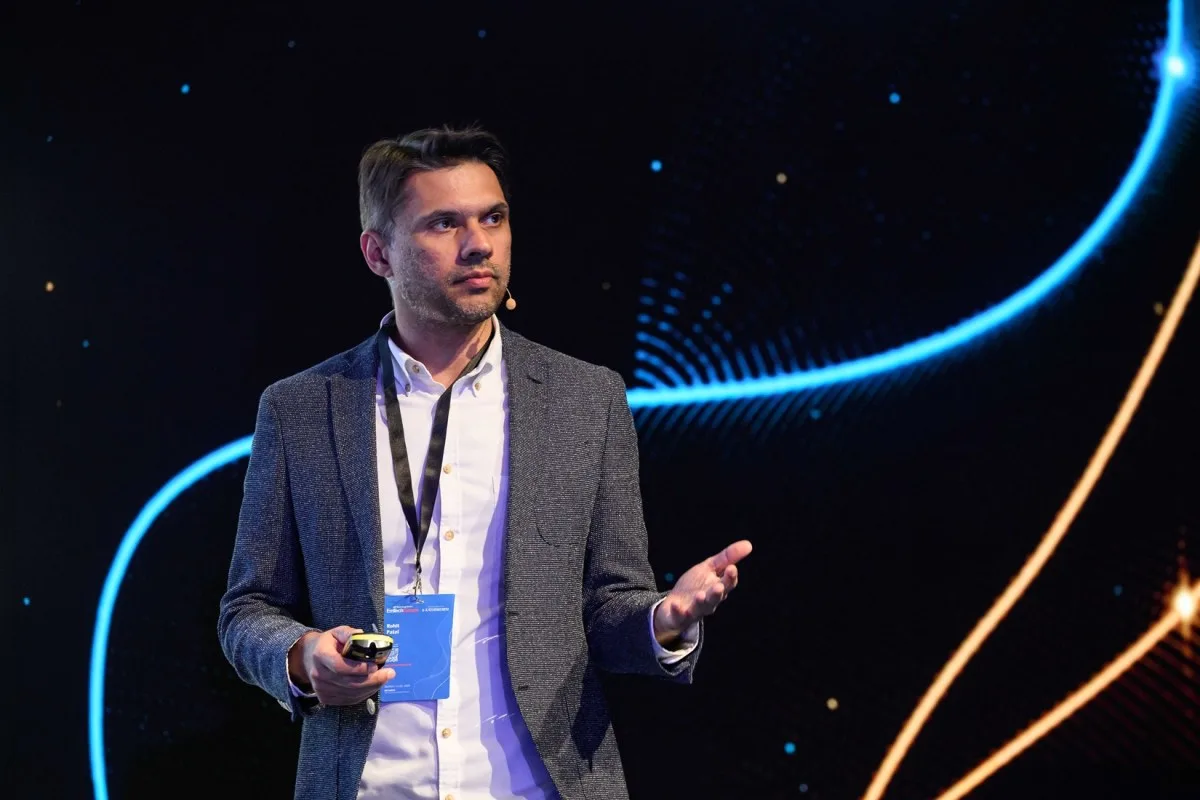
The landscape of enterprise software is shifting again, and the latest move comes from a heavyweight in the AI research community. According to TechCrunch, Rohit Patel, a director at Meta AI, is departing the tech giant after eight impactful years. He is not retiring or moving to a competitor, but rather launching his own venture called Ndoc. This startup aims to directly challenge the duopoly of Microsoft Office and Google Workspace.
Patel’s background is particularly interesting for anyone watching the evolution of AI applications. He has spent nearly a decade focusing on AI evaluations and reinforcement learning. These are not just buzzwords. They are the technical foundations that allow AI models to learn from feedback and improve over time. His exit suggests that the most valuable talent in the industry is moving from building the models to building the interfaces that use them.
The move to Ndoc represents a bet on the future of work. For years, we have seen AI assistants added to existing tools like Word or Docs. Patel’s approach seems different. By building a new suite from the ground up, Ndoc can integrate AI as a core component rather than a plugin. This aligns with a broader trend where companies are trying to create workflows that feel native to how humans think, not just how computers process data.
This departure also highlights a significant brain drain for Meta. Patel was a key figure in their AI evaluation strategies. His knowledge of how to make models more reliable and useful is hard to replace. For Meta, this is a loss of institutional memory. For the market, it is a gain of specialized expertise that could disrupt the productivity sector. The competition for top AI talent is intensifying, and this move shows where the incentives are shifting.
The implications for Microsoft and Google are substantial. They have dominated the productivity space for decades. However, their models are often tied to legacy interfaces. A new entrant like Ndoc can offer a cleaner, more intuitive experience. If Patel’s team can leverage his expertise in reinforcement learning to create tools that truly adapt to user needs, they could carve out a significant market share. This is not just about better features. It is about a fundamentally different way of working.
For professionals and entrepreneurs, this news is a signal to pay attention. The tools we use every day are about to change in ways that are not immediately obvious. The integration of AI into productivity software will likely become more seamless and powerful. Those who adapt early to these new workflows will have a competitive edge. The era of static documents is ending. The era of dynamic, AI-driven workspaces is beginning.
What this means for you is that you should start experimenting with AI-native workflows now. Do not wait for the new tools to become mainstream. Start by using AI to analyze your current processes and identify where automation can add value. Here is a prompt you can try with your AI assistant to get started: "Analyze my daily workflow for repetitive tasks. Suggest three specific ways I could use AI to automate or streamline these tasks, focusing on time savings and error reduction." This simple exercise can help you prepare for the next generation of productivity tools.
Reporting basis: original story
← back to The Wire