the wire · #ai · 2026-07-07
Meta’s new Muse Image model can pull other Instagram users into AI photos
Cech Tech Reviews
Meta is rolling out its newest AI image generation engine, Muse Image, across its consumer apps, according to a report from The Verge. The model lives in the Superintelligence Labs division and now fuels the image‑making features in the Meta AI app, Instagram and WhatsApp, with Facebook and Messenger slated to get it soon. This marks the first time Meta has embedded a home‑grown image model directly into its social platforms.
What makes Muse Image stand out is its partnership with a large language model called Muse Spark. Alexandr Wang, who leads Superintelligence Labs, describes the combo as "agentic" on Threads. In practice, Muse Spark parses a user’s prompt, scouts the internet for context, and outlines a plan before Muse Image creates the visual. The workflow feels more like a collaborative assistant than a blind generator.
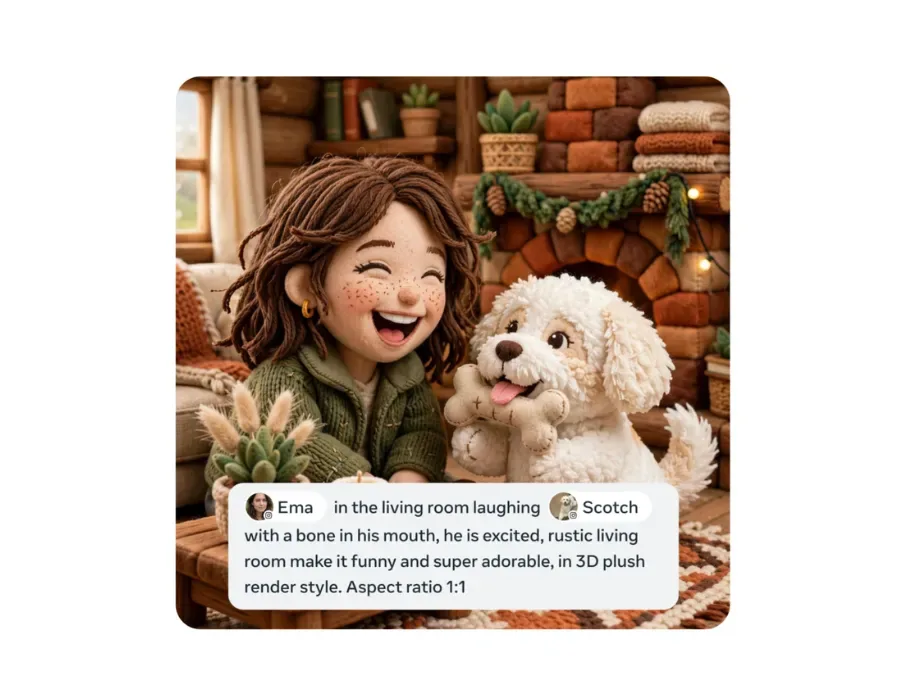
One headline feature is the ability to pull other Instagram users into AI‑crafted photos. By referencing a public profile, the model can place an avatar or likeness into a new scene, opening up creative mash‑ups that feel personalized. For creators, that could mean quicker mock‑ups for campaigns, while marketers might experiment with brand ambassadors in virtual settings.
The move also surfaces deeper concerns. Automating the insertion of real people into synthetic images blurs the line between genuine and fabricated content. Even though public profiles are used, the technology raises questions about consent, deep‑fake potential and brand safety. Meta will need robust policies and detection tools to keep misuse in check.
From a technical standpoint, Muse Image signals Meta’s shift away from the Llama family toward a dedicated visual‑language stack. This mirrors a broader industry trend where large tech firms are building bespoke multimodal models rather than relying on third‑party APIs. The integrated approach could yield tighter latency, better alignment with product UI and more control over training data.
For AI enthusiasts and entrepreneurs, the rollout offers a real‑world testbed for multimodal prompt engineering. The model’s web‑search step means it can incorporate up‑to‑date references, which is a step beyond static diffusion models that rely solely on pretrained knowledge. That opens possibilities for dynamic content generation that reacts to current events.
What this means for you: If you use AI tools to draft social media visuals, you can now try a workflow that blends text, live web data and image synthesis in one go. Prompt your assistant with something like, "Create a beach scene featuring @examplebrand’s logo and a photo of me from my Instagram profile, using the latest summer color palette." The assistant can fetch your profile picture, pull a relevant beach background, and generate a ready‑to‑post image, saving you hours of manual editing. This kind of end‑to‑end AI pipeline is exactly what Muse Image aims to enable across Meta’s platforms.
Reporting basis: original story
← back to The Wire