the wire · #ai · 2026-06-29
OpenAI is teasing new hardware… for Codex
Cech Tech Reviews
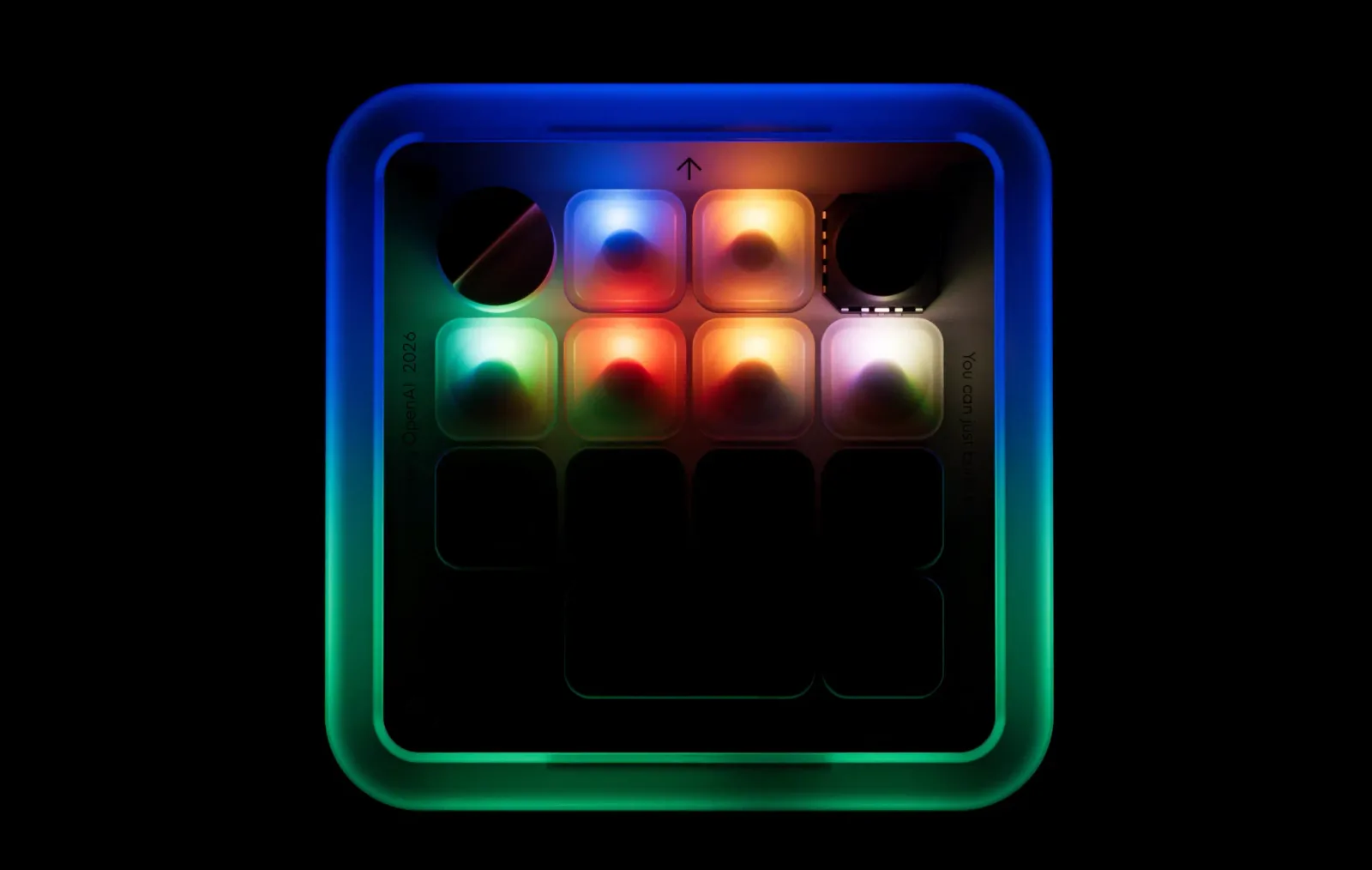
OpenAI is finally giving Codex users something tangible to hold. The company teased a new hardware accessory on X that arrives on July 15th. This is not the mysterious AI device rumored to be in development with Jony Ive. Instead it is a practical tool designed to streamline your coding workflow.
According to The Verge the teaser video shows a square device with several buttons. The caption promises that your favorite Codex shortcuts are getting an upgrade. This suggests a focus on efficiency and speed for developers who use the AI tool daily. It is a clear signal that OpenAI sees value in physical interaction with its software.
The device is being released in partnership with Work Louder. This company is well known for making mechanical keyboards and macro pads. These tools allow users to map complex commands to single keys or dials. The silhouette in the teaser looks very similar to Work Louder’s existing products. This indicates a straightforward integration rather than a groundbreaking new form factor.
Why does this matter for the broader AI landscape? It highlights a growing trend where software companies are looking to hardware to deepen user engagement. Coding is already a highly tactile profession. Adding a dedicated physical interface for AI commands reduces friction. It allows developers to keep their hands on the keyboard and their mind on the code.
This approach also differentiates OpenAI from competitors who are focusing on general purpose AI assistants. By targeting the developer niche specifically they are building loyalty among a high value user group. Codex is not just a chatbot. It is a powerful engine for generating and refactoring code. Giving it a physical shortcut pad makes it feel like an essential part of the development environment.
The partnership with Work Louder is a smart move. It leverages an existing brand that developers already trust for quality peripherals. It avoids the risk of OpenAI trying to manufacture hardware from scratch. This allows them to focus on the software integration while relying on Work Louder for the physical build quality.
What this means for you is that the future of AI work is becoming more specialized. If you use Codex or similar AI coding tools you should watch for these hardware integrations. They can significantly boost your productivity by reducing the number of clicks and keystrokes needed to interact with AI. Consider mapping your most frequent Codex commands to a macro pad if you have one. This simple workflow change can save you hours over time. Try creating a custom macro that triggers a specific code generation prompt and paste the result directly into your IDE. This small adjustment can make your AI assisted coding feel much more seamless and natural.
Reporting basis: original story
← back to The Wire