the wire · #gadgets · 2026-07-27
PSA: T-Mobile is down, iPhones showing ‘SOS' mode
Cech Tech Reviews
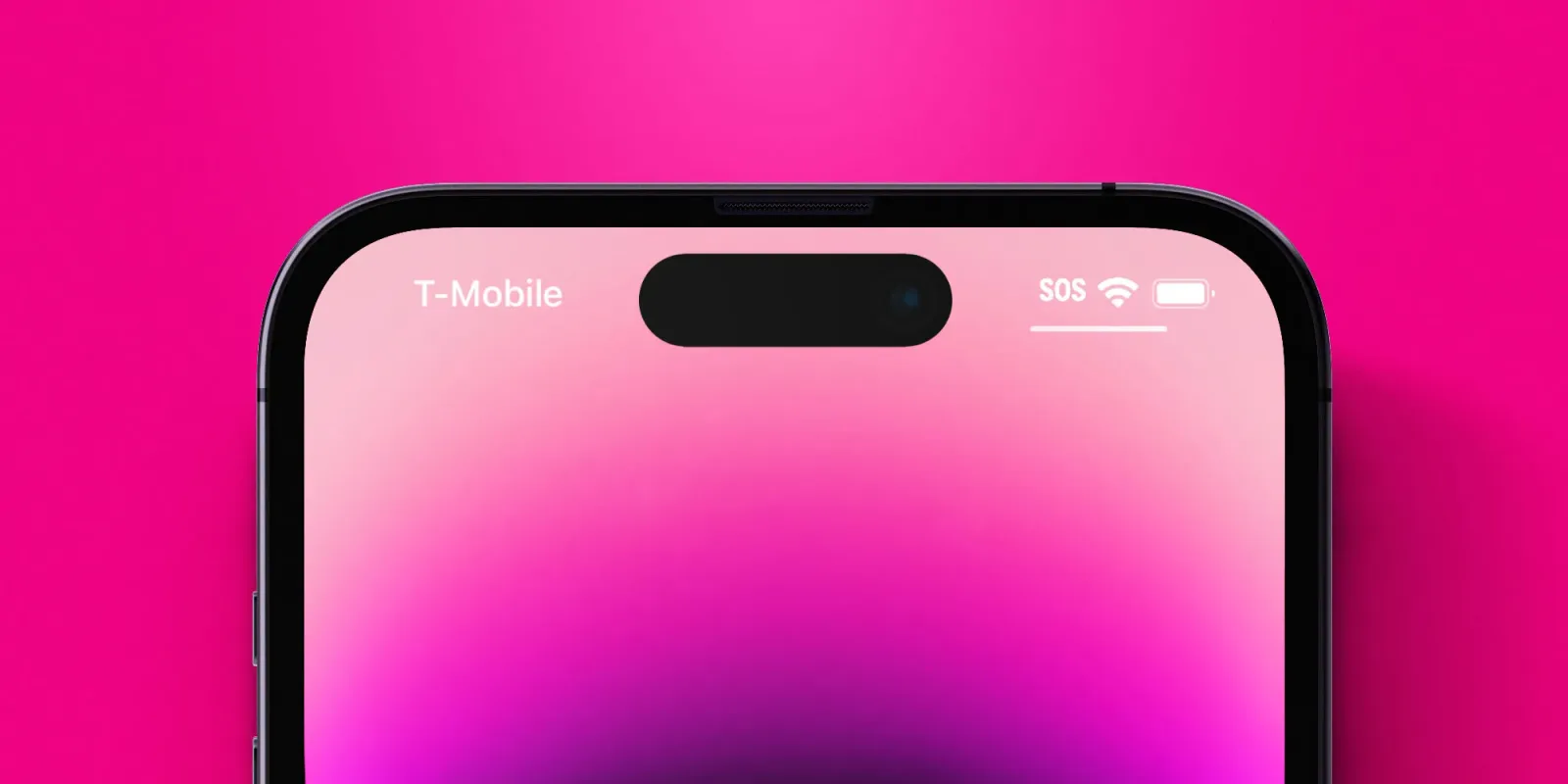
The digital landscape just took a sharp turn for the worse for millions of Americans. T-Mobile is currently experiencing a massive service outage that has left countless users without connectivity. According to early reports, the disruption is not just a minor glitch but a full-scale failure affecting the entire United States. This is a stark reminder of how quickly our modern lives can grind to a halt when a single provider falters.
The most visible symptom of this crisis is the dreaded SOS indicator on iPhone screens. Users are reporting that their devices are unable to register with any network, even when roaming or attempting emergency calls. This specific visual cue has become a universal symbol of disconnection in the smartphone era. It is a chilling sight for anyone who relies on their phone for work or safety.
As of three in the afternoon Pacific Time, the situation remains fluid. Some users are seeing service return, suggesting that engineers are making headway. However, others report that the outage is still ongoing and persistent. This inconsistency highlights the complex nature of modern telecommunications infrastructure. It is rarely a simple on-off switch but a cascade of interconnected failures.
From an AI and technology perspective, this outage reveals a critical vulnerability in our centralized communication models. We have built a society that assumes constant connectivity as a baseline utility. When that assumption breaks, the economic and social ripple effects are immediate. This is where AI-driven network resilience tools could have made a difference in predicting or mitigating such widespread failures.
The incident also underscores the importance of having backup communication strategies. For professionals, relying solely on one carrier is a significant risk. We need to think about how AI can help us manage these risks proactively. Imagine an AI assistant that monitors network health across multiple providers and automatically switches your device to the most stable option during an outage.
This is not just a consumer inconvenience but a systemic issue that affects businesses and emergency services alike. The delay in restoring service for some users indicates potential bottlenecks in the repair process. It suggests that our current infrastructure lacks the adaptive intelligence to self-heal during major disruptions. We need smarter networks that can reroute traffic and maintain basic functionality during crises.
What this means for you is that you must diversify your communication channels. Do not rely on a single carrier for critical business operations. Consider using AI tools that can aggregate data from multiple sources to ensure you stay connected. Try this prompt with your AI assistant to create a personal network resilience plan: "Create a checklist of backup communication methods and apps I should use if my primary carrier goes down, including offline AI tools for productivity."
The road to recovery is not yet complete for everyone. The inconsistency in service restoration is a warning sign for the industry. It shows that even the largest providers are vulnerable to cascading failures. We need to demand more robust and intelligent infrastructure from our telecom providers. Until then, staying informed and having a backup plan is your best defense.
Reporting basis: original story
← back to The Wire![Hands-on: The Meirro Pro 6K might be the best Apple Studio Display alternative yet [Video]](https://aideaflow.com/api/img/news/49971aa3751d9bfe.webp)