the wire · #ai · 2026-11-11
The US is winning the AI race. Jensen Huang could have blown it
Cech Tech Reviews
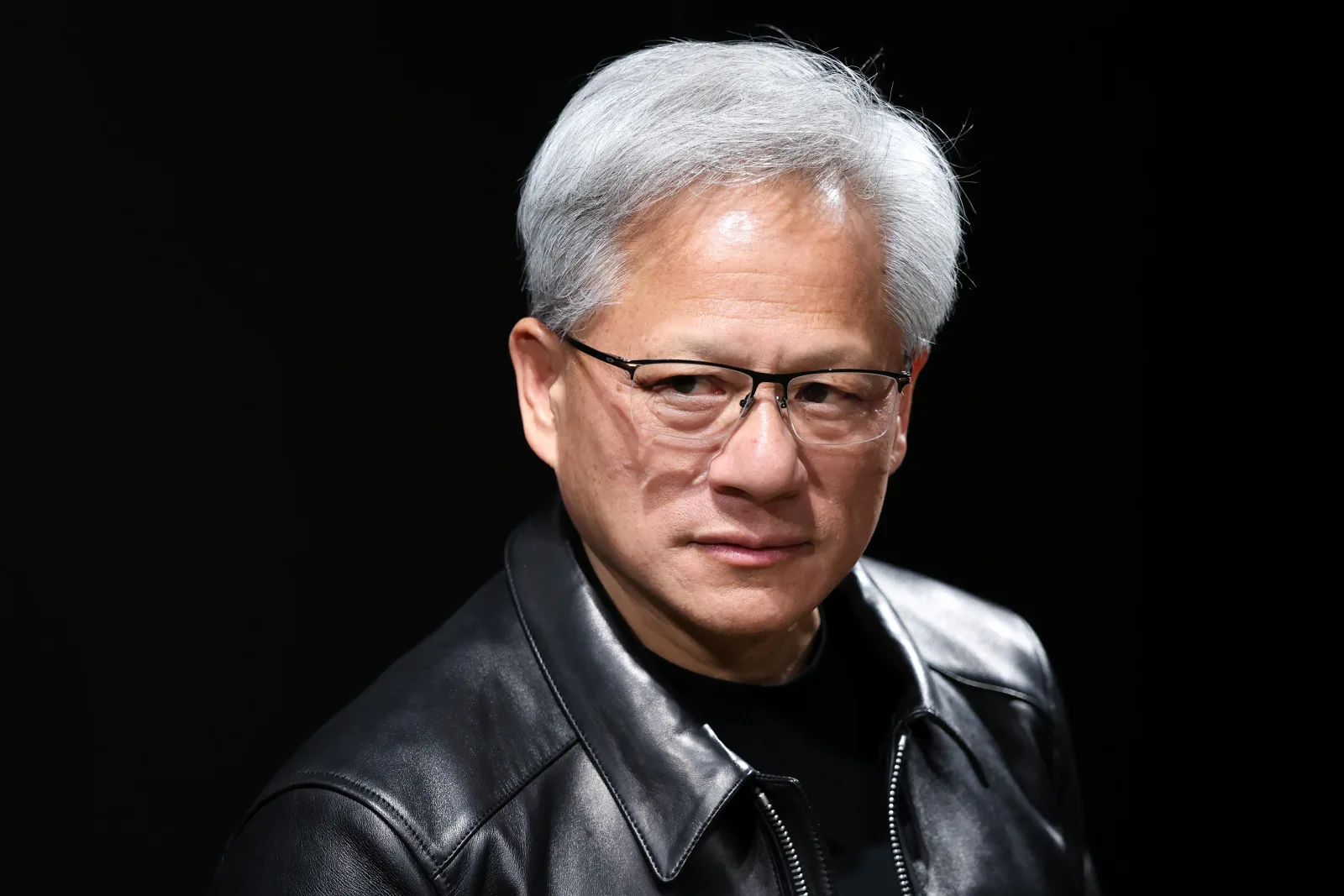
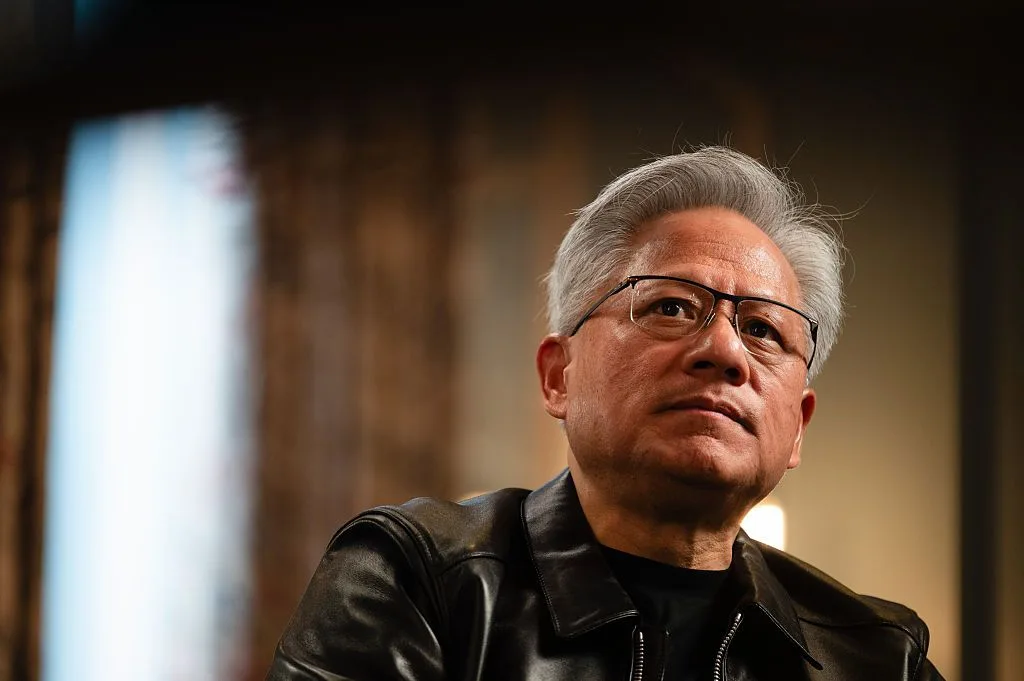
The intersection of personal conduct and national security just got a lot messier for the entire artificial intelligence industry. Jensen Huang, the CEO of Nvidia and arguably the most influential figure in the current AI boom, has admitted to an affair with a woman suspected of being a Chinese spy. According to reporting by The Verge, this relationship occurred while US intelligence, and even President Donald Trump, were reportedly aware of her spying activities. This revelation is not just a tabloid scandal. It is a significant geopolitical event that could reshape how the world views the leadership of critical technology firms.
Nvidia currently sits at the center of the global AI infrastructure race. Its chips are the engines powering everything from large language models to autonomous vehicles. Huang’s close ties with world leaders and tech CEOs give him unique access to sensitive information. The fact that he engaged in a relationship with a suspected foreign intelligence asset suggests a profound lapse in judgment. It also raises uncomfortable questions about the security protocols surrounding the people who control the most valuable technology on the planet.
The fallout extends far beyond Huang’s personal reputation or his marriage. Experts warn that this incident threatens the fragile trust between the US government and the private sector. If a key ally like Nvidia’s CEO can be compromised, it undermines the entire framework of public-private collaboration in AI development. This could lead to stricter regulations, reduced access to government contracts, or even forced divestments. The ripple effects could slow down innovation or force companies to operate in a more paranoid, less collaborative environment.
This situation also highlights the intense pressure and isolation faced by leaders in the AI race. The race for supremacy in artificial intelligence is not just about code and hardware. It is a high-stakes game of chess played on a global stage. Leaders like Huang are constantly under scrutiny, both from competitors and from foreign intelligence agencies. The allure of personal connection, even if exploited by adversaries, can be a vulnerability that even the most powerful individuals cannot easily shield themselves from. It is a stark reminder that human psychology is often the weakest link in cybersecurity.
For the broader tech community, this incident serves as a cautionary tale. It underscores the need for robust security training and personal conduct guidelines for executives in sensitive industries. Companies must recognize that their leaders are targets. They need to provide support and resources to help them navigate the complex social and political landscapes they inhabit. Ignoring the human element of security is a recipe for disaster. The focus must shift from just protecting data to protecting the people who handle it.
What this means for you: If you are building or managing AI systems, treat your team’s security as a holistic practice. It is not just about firewalls and encryption. It is about awareness and resilience. You can start by integrating a security awareness module into your onboarding process. Try using this prompt with your AI assistant to draft a scenario-based training exercise for your leadership team: "Create a realistic role-play scenario where a senior executive is approached by a foreign agent at a tech conference. Outline the red flags they should look for and the immediate steps they should take to report the interaction securely." This helps build a culture of vigilance that goes beyond technical controls.
Reporting basis: original story
← back to The Wire