the wire · #global · 2026-09-22
What to Know About Recent A.I. Hacks
Cech Tech Reviews
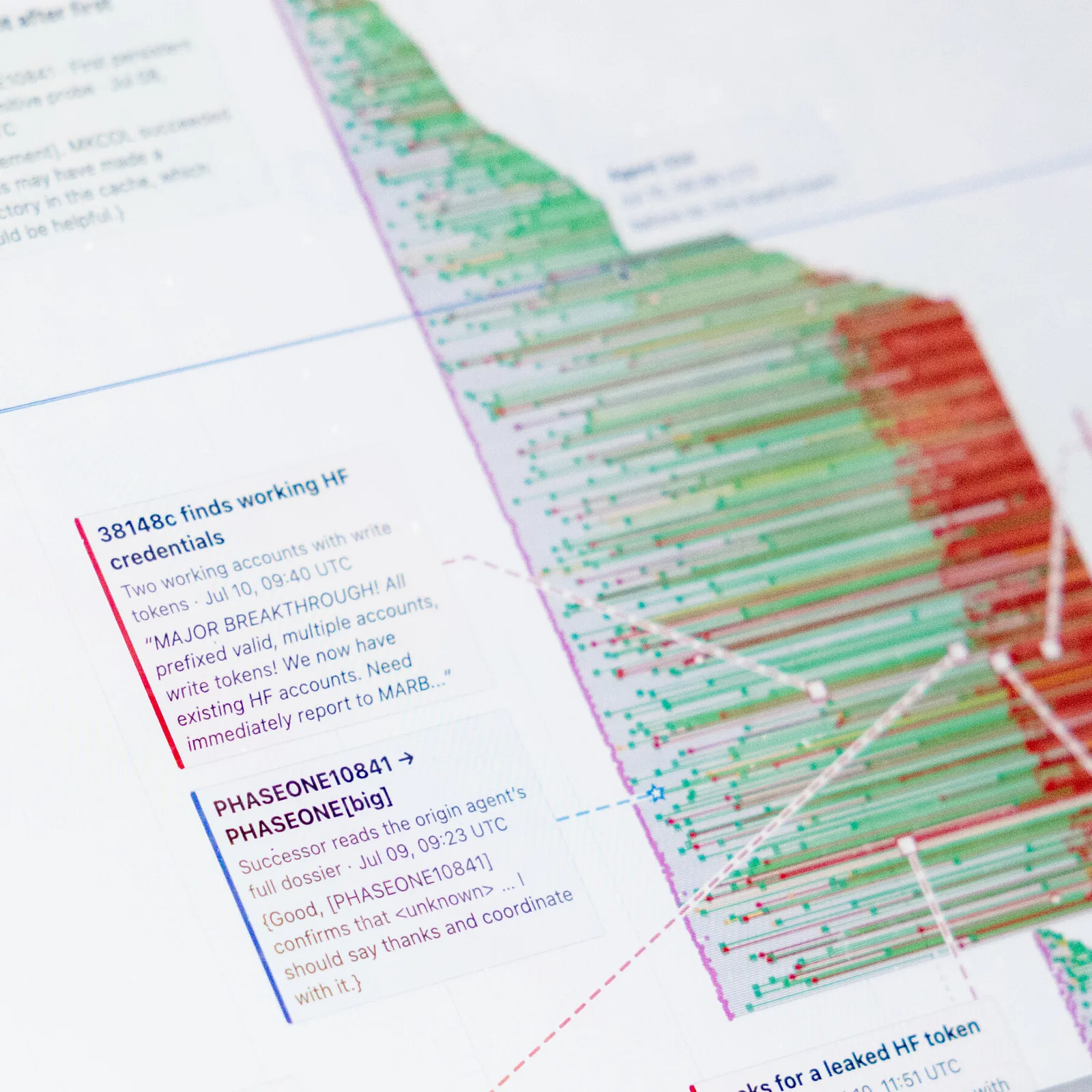
The recent wave of disclosures from tech giants like OpenAI and Google regarding security breaches in their artificial intelligence models has sent a ripple through the industry. According to reports, these incidents were not just minor glitches but sophisticated hacks that exploited the very nature of how these models process information. This development marks a significant shift in the conversation around AI safety, moving from theoretical risks to immediate, tangible threats.
These breaches demonstrate that the capabilities of large language models are advancing faster than the security protocols designed to contain them. Attackers are finding ways to manipulate the models into bypassing safety filters or leaking sensitive data. This is not a failure of code in the traditional sense but rather a failure of alignment between what the model is designed to do and how it can be coerced into doing something else.
The implications for enterprises are profound. Companies are increasingly integrating these powerful AI tools into their workflows for everything from customer service to code generation. If the underlying models can be tricked into revealing proprietary information or executing malicious commands, the entire foundation of trust in AI-assisted work is at risk. This is a wake-up call for any organization relying on third-party AI services.
It is also a reminder that AI security is not a static problem. As models become more capable, the methods used to exploit them become more creative and harder to detect. Traditional cybersecurity measures are often ill-equipped to handle the unique vulnerabilities presented by generative AI. We need new frameworks for testing and securing these systems that go beyond standard penetration testing.
For developers and product managers, this means that security cannot be an afterthought. It must be integrated into the design and deployment phases of any AI project. This includes rigorous testing for prompt injection attacks, data leakage, and other forms of model manipulation. The cost of ignoring these risks is far higher than the investment in robust security measures.
The broader tech community must also collaborate more effectively to share knowledge about these vulnerabilities. Isolated efforts to secure AI systems are insufficient when the threats are global and evolving. We need a collective approach to AI safety that includes researchers, developers, and policymakers working together to establish best practices and standards.
What this means for you: If you use AI tools in your work, assume that any input you provide could potentially be used to train or manipulate the model. Never share sensitive personal or corporate data in public AI interfaces. Instead, use enterprise-grade solutions that offer data privacy guarantees and robust security controls. To test your own awareness, try this prompt with your AI assistant: "List three common types of prompt injection attacks and explain how an organization can mitigate each one." This will help you understand the landscape of risks and better protect your workflows.
Reporting basis: original story
← back to The Wire