#gadget · 2026-08-07
DJI Osmo Pocket 4: 4K/240fps Slow-Mo in Your Pocket for $499
The verdict
The best pocket gimbal camera for serious creators who need smooth footage and slow-motion, but casual vloggers can save money with a smartphone.
$499
What slaps
- +True 4K/240fps slow-motion with 1-inch sensor
- +3-axis gimbal delivers buttery-smooth stabilization
- +107GB built-in storage with 800MB/s transfers
- +Physical controls (zoom rocker, 5D joystick) beat touchscreen fumbling
- +240-minute battery at 1080p, fast charging to 80% in 18 minutes
What stings
- −Price gap vs smartphones is harder to justify in 2026
- −Upgrade from Pocket 3 feels incremental for existing owners
- −Fixed f/2.0 aperture limits creative depth-of-field control
- −Accessories push total cost toward $700+ for Creator Combo
Spec sheet
| Sensor | 1-inch CMOS, f/2.0 aperture |
| Video Resolution | 4K/240fps, 10-bit D-Log |
| Dynamic Range | 14 stops |
| Stabilization | 3-axis motorized gimbal |
| Tracking | ActiveTrack 7.0, Spotlight Follow |
| Storage | 107GB built-in, 800MB/s transfer |
| Battery Life | 240 min at 1080p/24fps |
| Weight | 190.5g |
| Dimensions | 144.2 × 44.4 × 33.5 mm |
| Screen | 2-inch OLED, 1000 nits, rotatable |
| Audio | 3-mic array, 4-channel with DJI Mic |
| Price | $499 (Standard Combo) |
How it stacks up
| Product | Price | Key spec | Verdict |
|---|---|---|---|
| DJI Osmo Pocket 4 | $499 | 1-inch sensor, 4K/240fps, gimbal | Best for serious vloggers |
| iPhone 16 Pro | $999 | Action mode stabilization, 4K/120fps | Better all-around device |
| Insta360 GO 3S | $399 | Tiny, magnetic mount, 4K/30fps | Best for POV/action clips |
The Pocket Gimbal Camera That Actually Beats Your Phone
Smartphone cameras have gotten absurdly good. The iPhone 16 Pro shoots 4K/120fps with computational stabilization, the Galaxy S26 Ultra has a 200MP sensor, and most people already carry one everywhere. So why spend $499 on a dedicated pocket camera in 2026?
The DJI Osmo Pocket 4, launched April 16, 2026, answers that question with a 1-inch sensor, true 4K/240fps slow-motion, and a 3-axis motorized gimbal that delivers stabilization no phone can match. After testing it for a week across walking tours, low-light indoor shoots, fast-action sequences, and everyday vlogging, I found it refines an already excellent formula. It's not a revolutionary leap over the Pocket 3, but the improvements in slow-motion capture, dynamic range, physical controls, and battery life make it the most capable pocket vlogging camera available.
The real question is whether that's enough to justify carrying a second device when your phone is already in your pocket.
What Makes the Pocket 4 Different
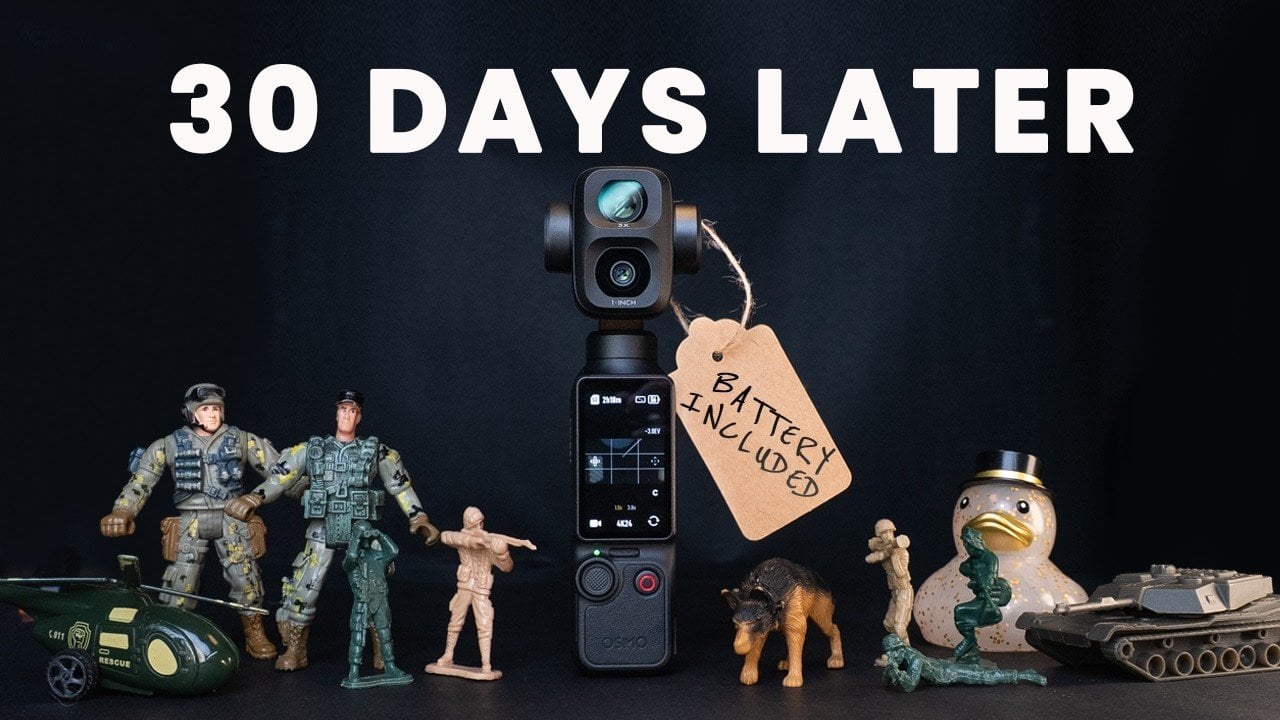
The Osmo Pocket 4 measures 144.2 × 44.4 × 33.5 mm and weighs 190.5g, slightly larger and heavier than the Pocket 3 but still genuinely pocket-sized. The standout hardware is the 1-inch CMOS sensor with f/2.0 aperture, delivering 14 stops of dynamic range and 10-bit D-Log color for serious color grading. The motorized 3-axis gimbal keeps footage smooth even when you're running, and the rotatable 2-inch OLED touchscreen (1000 nits) stays visible in bright sunlight.
New physical controls include a dedicated zoom rocker and 5D joystick, which speed up one-handed operation significantly. DJI's ActiveTrack 7.0 tracks subjects faster and more accurately than previous versions, even in crowded scenes. The built-in 3-microphone array captures clear audio, and the camera supports DJI's Mic ecosystem for 4-channel wireless recording.
The killer feature is 4K/240fps slow-motion. Most phones top out at 1080p/240fps or 4K/120fps. The Pocket 4 captures ultra-slow-motion at full 4K resolution, giving you buttery-smooth playback at 10x slow speed without the pixelation or cropping you get from upscaled 1080p footage. For action shots, sports, or cinematic b-roll, this is a genuine differentiator.
Real-World Performance
Stabilization is where the Pocket 4 pulls ahead of smartphones. DJI's gimbal smooths out handheld shake, walking bounce, and even light jostling in ways that computational stabilization cannot replicate. Action Mode on the iPhone 16 Pro is impressive, but it crops the frame and struggles with rapid direction changes. The Pocket 4's mechanical gimbal handles it effortlessly.
Low-light performance is solid thanks to the 1-inch sensor. Indoor footage at ISO 3200 stays clean, and the 14-stop dynamic range preserves highlights and shadows in high-contrast scenes. The f/2.0 aperture is fixed, so you lose creative depth-of-field control, but for vlogging and travel content, the extended depth of field keeps more of the frame in focus.
Battery life is practical. DJI rates it at 240 minutes recording 1080p/24fps, and I got close to that in testing. At 4K/60fps, expect around 90 minutes. Fast charging reaches 80% in 18 minutes, which is convenient for multi-location shoots. The 107GB of built-in storage is generous, and 800MB/s transfer speeds mean you can offload footage quickly via USB-C.
ActiveTrack 7.0 works well. Point the camera at your subject, tap the screen, and the gimbal follows smoothly. It occasionally loses track in very busy environments or when the subject moves behind obstacles, but it recovers quickly. For solo creators, this eliminates the need for a camera operator.
| Feature | Osmo Pocket 4 | iPhone 16 Pro | Insta360 GO 3S |
|---|---|---|---|
| Price | $499 | $999 | $399 |
| Sensor Size | 1-inch | 1/1.28-inch | 1/2.3-inch |
| Max Slow-Mo | 4K/240fps | 4K/120fps | 4K/30fps |
| Stabilization | 3-axis gimbal | Action Mode (digital) | FlowState (digital) |
| Best For | Serious vloggers | All-around use | POV/action clips |
Who Should Buy This
The Osmo Pocket 4 is for creators who prioritize smooth, stabilized footage and need slow-motion capture beyond what smartphones offer. If you shoot walking tours, travel vlogs, event coverage, or action content, the gimbal and 4K/240fps capability justify the purchase. Solo creators who rely on subject tracking will appreciate ActiveTrack 7.0's reliability.
It's also a good choice for creators who want to travel light without sacrificing quality. The compact form factor, built-in storage, and long battery life mean you can shoot all day without a bag full of gear. The Creator Combo ($619) adds a fill light, DJI Mic transmitter, and protective case, which rounds out a portable production setup.
Who Should Skip This
Casual vloggers who already own a recent flagship smartphone can save the money. The iPhone 16 Pro, Galaxy S26 Ultra, and Pixel 11 Pro all shoot excellent video with computational stabilization that's good enough for social media. The gap between phone footage and gimbal footage has narrowed significantly in 2026.
Existing Pocket 3 owners should also think twice. The upgrades are meaningful (4K/240fps, better controls, longer battery), but the Pocket 3 remains a capable device. Unless you specifically need the higher frame rate slow-motion or improved tracking, the jump doesn't feel essential.
If you need interchangeable lenses, shallow depth of field, or full manual control, look at a mirrorless camera instead. The Pocket 4's fixed f/2.0 aperture and compact sensor limit creative control compared to larger cameras.
Honest Verdict
The DJI Osmo Pocket 4 is the best pocket gimbal camera you can buy in 2026. The 1-inch sensor, 4K/240fps slow-motion, and buttery-smooth 3-axis stabilization deliver professional results in a form factor that fits in your jeans. Physical controls, generous storage, and solid battery life make it practical for all-day shooting.
That said, the price gap between the Pocket 4 and your existing smartphone is harder to justify than it was a few years ago. Computational photography has advanced dramatically, and most phones now handle stabilization and slow-motion well enough for social media and casual content. The Pocket 4 is genuinely better, but it's a luxury purchase for serious creators rather than a necessity for everyone.
If you shoot video regularly, travel often, or need footage that stands out from smartphone content, the Pocket 4 earns its place in your bag. For everyone else, your phone is probably good enough.
Get it if
Serious vloggers, travel creators, and solo shooters who need smooth gimbal stabilization and 4K/240fps slow-motion beyond smartphone capabilities.
Skip it if
You're a casual content creator happy with smartphone video quality, or you already own the Pocket 3 and don't need the higher frame rate slow-motion.
$499
Affiliate links support the site at no cost to you.


![USB C Cable, Anker New Nylon USB C to USB C Cable (6ft 60W, 2-Pack, USB 2.0), USB C Cable for iPad Mini 6, iPad Pro 2020, iPad Air 4, MacBook Pro 2020, Samsung Galaxy S22,Switch, Pixel, LG (Black); USB C Fast Charger, Sacrack 100W Compact 6 Port USB C Charging Station, Portable USB C Wall Charger Adapter 3 USB C and 3 QC USB A for All iPad iPhone 14 13 12 11 Pro Max Mini Pixel Note Galaxy; USB Type C Cable, Anker [2-Pack 3ft] Premium Nylon USB-C to USB-A Fast Charging Type C Cable, for Samsung Galaxy S10 / S9 / S8 / Note 8, LG V20 / G5 / G6 and More(Black); USB C Cable, Anker 2 Pack New Nylon USB C to USB C Cable (3.3ft 60W), USB 2.0 Type C Charging Cable for MacBook Pro 2020, iPad Pro 2020, iPad Air 4, Galaxy S20, Switch, Pixel, LG and More(Black) product image](/img/reviews/anker-usb-c-cable-bundle-review.jpg)