the wire · #topnews · 2026-08-10
3 Best Cheap Gaming Laptops (2026): Lenovo, MSI, Alienware
Cech Tech Reviews
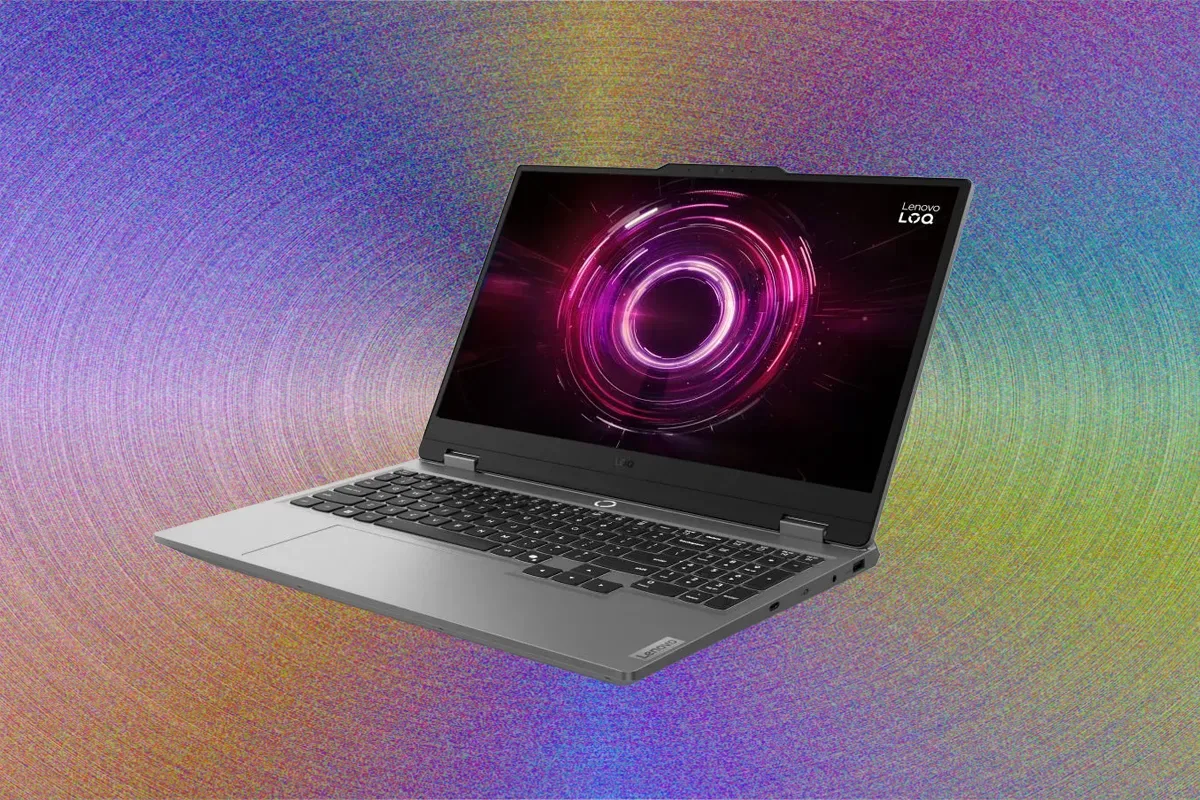
The landscape for budget gaming laptops is shifting rapidly in 2026. As reported by various tech outlets, finding a machine that balances performance with affordability is becoming a genuine challenge. Prices have climbed significantly, leaving many consumers with few good options that do not compromise on quality.
This trend is not just about gaming hardware. It reflects a broader shift in how we use portable computing. The line between a gaming rig and a creative workstation is blurring. Buyers now expect these devices to handle AI workloads, video editing, and heavy multitasking alongside high frame rates.
Lenovo has emerged as a strong contender in this crowded space. Their recent models offer solid build quality and decent thermal management. For users who need a reliable machine for both work and play, Lenovo provides a balanced approach. They are not always the cheapest, but they often deliver the best overall package.
MSI continues to push the boundaries of performance per dollar. Their recent releases feature powerful GPUs that can handle modern games and AI inference tasks. This makes them particularly attractive for developers and data scientists who need portable compute power. The trade-off is often battery life, which remains a weak point for high-performance laptops.
Alienware, despite its premium reputation, has made moves in the mid-range segment. Their latest offerings include advanced cooling systems and sleek designs. While they may cost more than Lenovo or MSI, they offer a distinct aesthetic and robust support network. This can be a deciding factor for professionals who view their laptop as a long-term investment.
The rise of AI integration in these devices is worth noting. Many of these laptops now include dedicated NPUs or enhanced GPU capabilities for local AI processing. This means you can run language models, image generators, and code assistants locally without relying on cloud services. It is a significant advantage for privacy and latency.
What this means for you is that you should look beyond raw gaming specs. Consider how the hardware will support your AI workflows. If you plan to run local models, prioritize GPUs with ample VRAM. For general productivity, focus on CPU performance and battery efficiency. Here is a prompt you can use to evaluate your needs: "Analyze my workflow which includes [list tasks] and recommend a laptop configuration that balances AI processing power with battery life under 10 hours." This will help you make a more informed decision in a market that is constantly evolving.
Reporting basis: original story
← back to The Wire