the wire · #topnews · 2026-08-07
Scientists Used AI to Create 16 New Viruses
Cech Tech Reviews
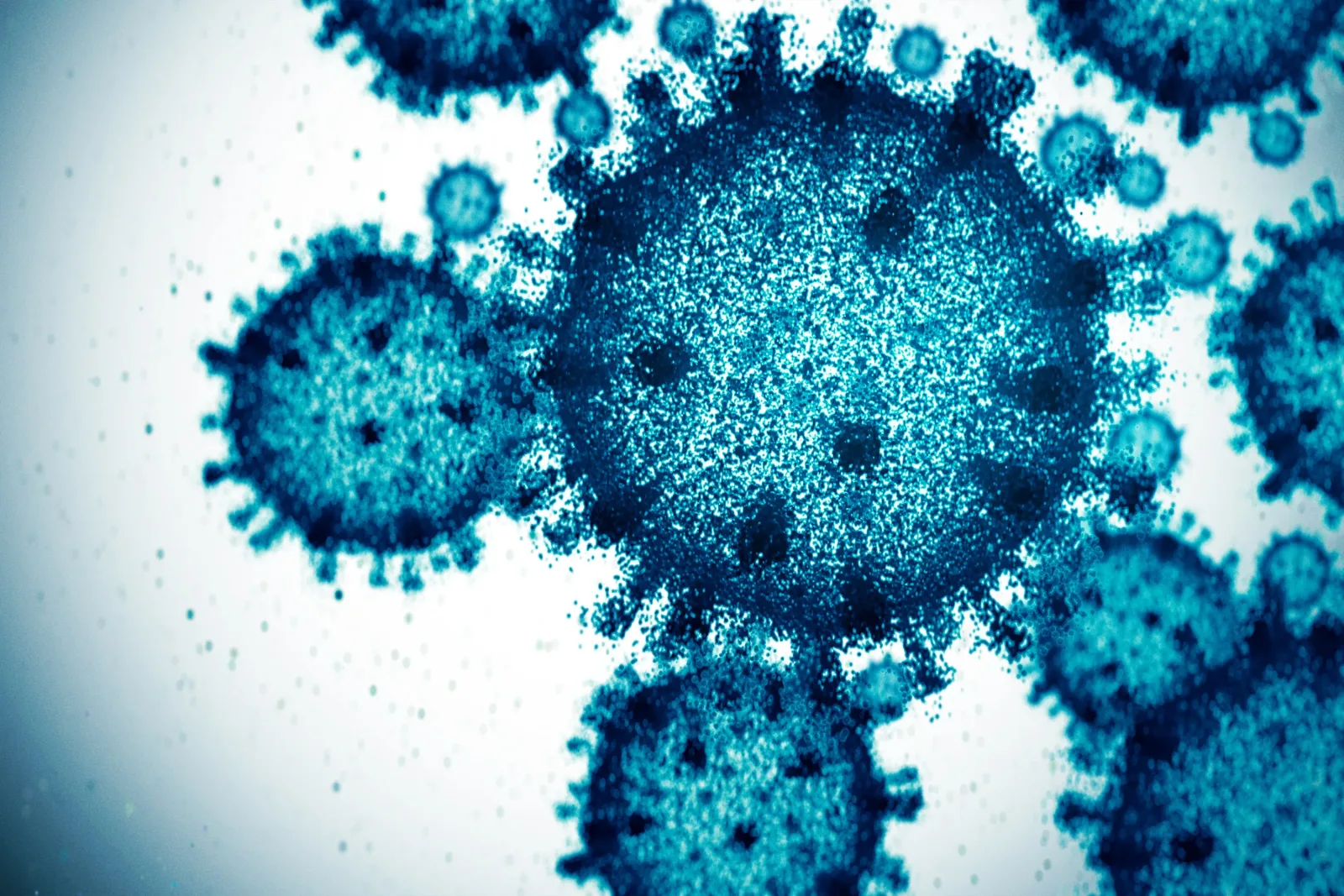
A team of scientists has achieved a milestone that sits squarely at the intersection of biological innovation and artificial intelligence. They utilized advanced AI systems to design and create sixteen entirely new viruses. This development is not merely a technical curiosity. It represents a fundamental shift in how we approach synthetic biology and pathogen engineering.
The primary motivation behind this work is deeply practical. Researchers are exploring these AI-generated viruses as potential tools to combat the growing crisis of bacterial resistance. Traditional antibiotics are losing their effectiveness against many common infections. By using AI to create viruses that specifically target resistant bacteria, scientists hope to find new therapeutic pathways. This approach could revolutionize how we treat infections that were previously considered untreatable.
However, the implications extend far beyond medicine. The ability to design viruses with such precision raises profound security concerns. If AI can create new pathogens, it also means that bad actors could potentially do the same. The barrier to entry for creating dangerous biological agents may be lowering as these tools become more accessible. This creates a dual-use dilemma that policymakers have struggled to address for years.
According to reports on the study, the speed at which this technology is advancing is outstripping existing regulatory frameworks. Current laws were written for a world where biological engineering required specialized labs and extensive expertise. Today, AI can accelerate the design phase significantly. This gap between technological capability and legal oversight is becoming increasingly dangerous.
The broader tech community is watching this development closely. It highlights a recurring pattern in AI adoption where innovation moves faster than governance. We saw similar dynamics with deepfakes and autonomous weapons. In the biological realm, the stakes are potentially higher. A single misstep in regulation could have catastrophic consequences for global health security.
This breakthrough also underscores the importance of responsible AI development. Researchers must balance the pursuit of scientific progress with rigorous safety protocols. It is not enough to simply build the technology. We must also build the safeguards that ensure it is used ethically and securely. International cooperation will be essential to establish norms and standards.
What this means for you: As AI continues to permeate scientific research, staying informed about these dual-use technologies is crucial for professionals in tech, policy, and healthcare. You should advocate for transparency in AI-driven biological research within your organizations. Consider using an AI assistant to help draft a risk assessment checklist for any new AI tools your team adopts, focusing specifically on potential misuse scenarios and ethical implications.
Reporting basis: original story
← back to The Wire