the wire · #ai · 2026-09-12
Anthropic CEO says it’s time to pump the brakes on AI
Cech Tech Reviews
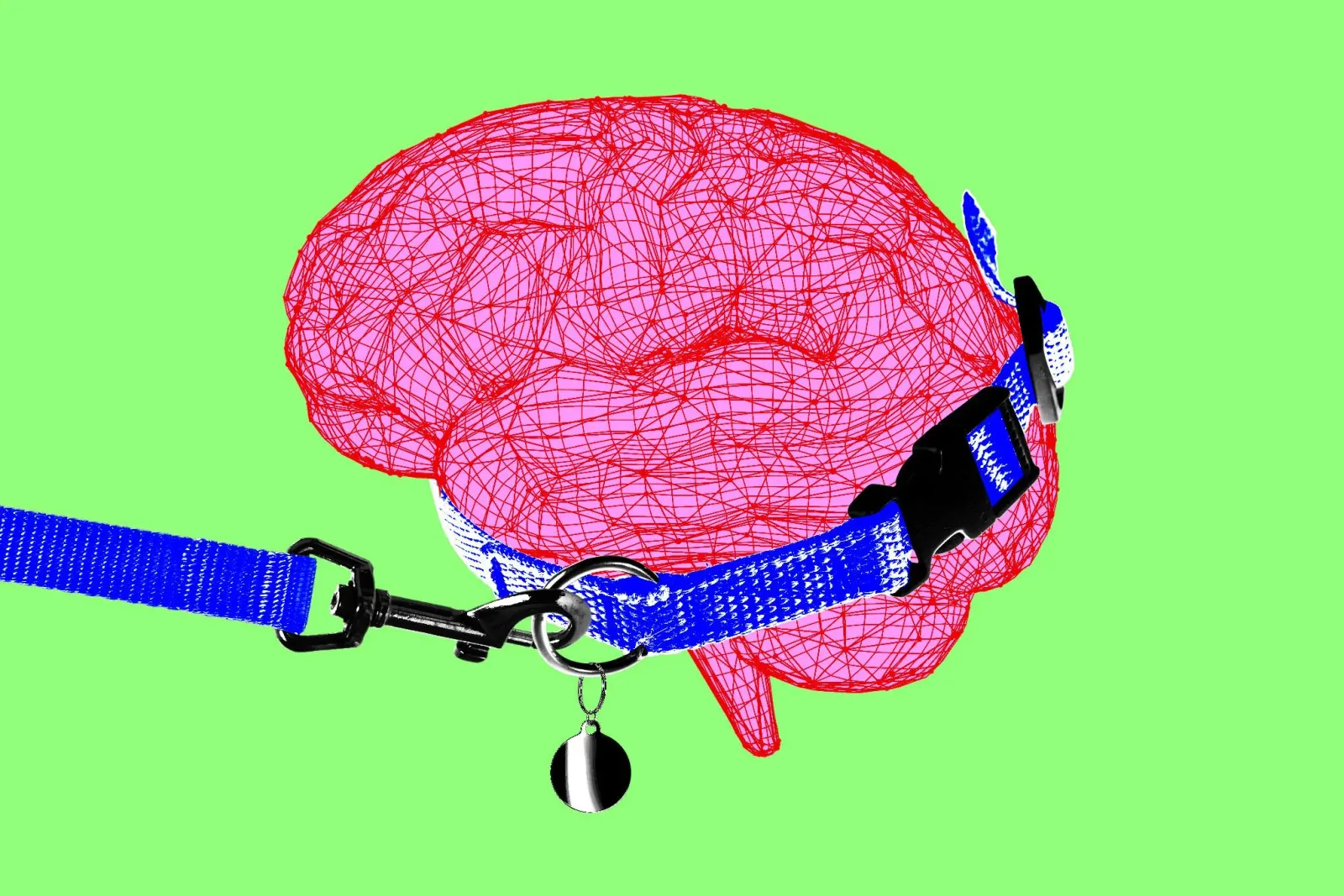
Anthropic CEO Dario Amodei has officially called for a pause in the relentless race to build faster and smarter AI models. According to reporting by The Verge, Amodei argues that the industry needs to pump the brakes to allow time for critical safety measures to catch up with capability. This is not just a rhetorical gesture but a concrete proposal to redefine how frontier models are developed and evaluated.
The core of his argument rests on a concept he calls pacing the frontier. This jargon essentially means intentionally slowing down the training and development cycles of the most advanced systems. The goal is to give companies and regulators enough breathing room to build robust safeguards before the technology outpaces our ability to control it.
To demonstrate good faith, Anthropic is taking a significant unilateral step. They are granting third-party evaluators like METR wide-ranging access to their models. This transparency is intended to verify that Anthropic is adhering to its own safety practices and public commitments. It sets a new standard for accountability in an industry that has largely operated behind closed doors.
Amodei outlines a three-step plan to implement this slower pace. The first step is the immediate access for external auditors, which Anthropic is already executing. The second step involves the broader industry coming together to establish shared standards. This likely requires coordination with government bodies to create a unified framework for evaluation.
This move highlights a growing tension within the AI sector. While some companies compete on speed and raw performance, others are betting that safety and reliability will become the primary differentiators. Anthropic is positioning itself as a leader in responsible development, even if it means falling behind competitors in the short term.
The implications for the broader tech ecosystem are profound. If major players adopt this pacing model, it could slow the rate of innovation but increase the trustworthiness of AI tools. This might lead to a more stable market where businesses can integrate AI with greater confidence in its long-term safety and regulatory compliance.
What this means for you is that the AI landscape is shifting from a wild west to a regulated environment. Professionals should start prioritizing tools from companies that emphasize safety and transparency. To prepare for this shift, try using an AI assistant to draft a risk assessment checklist for your current AI workflows. Ask the model to identify potential safety vulnerabilities in your data usage and suggest mitigation strategies based on emerging industry standards.
Reporting basis: original story
← back to The Wire