the wire · #ai · 2026-09-12
Sam Altman says OpenAI going public in 2026 would be ‘ill-advised’
Cech Tech Reviews
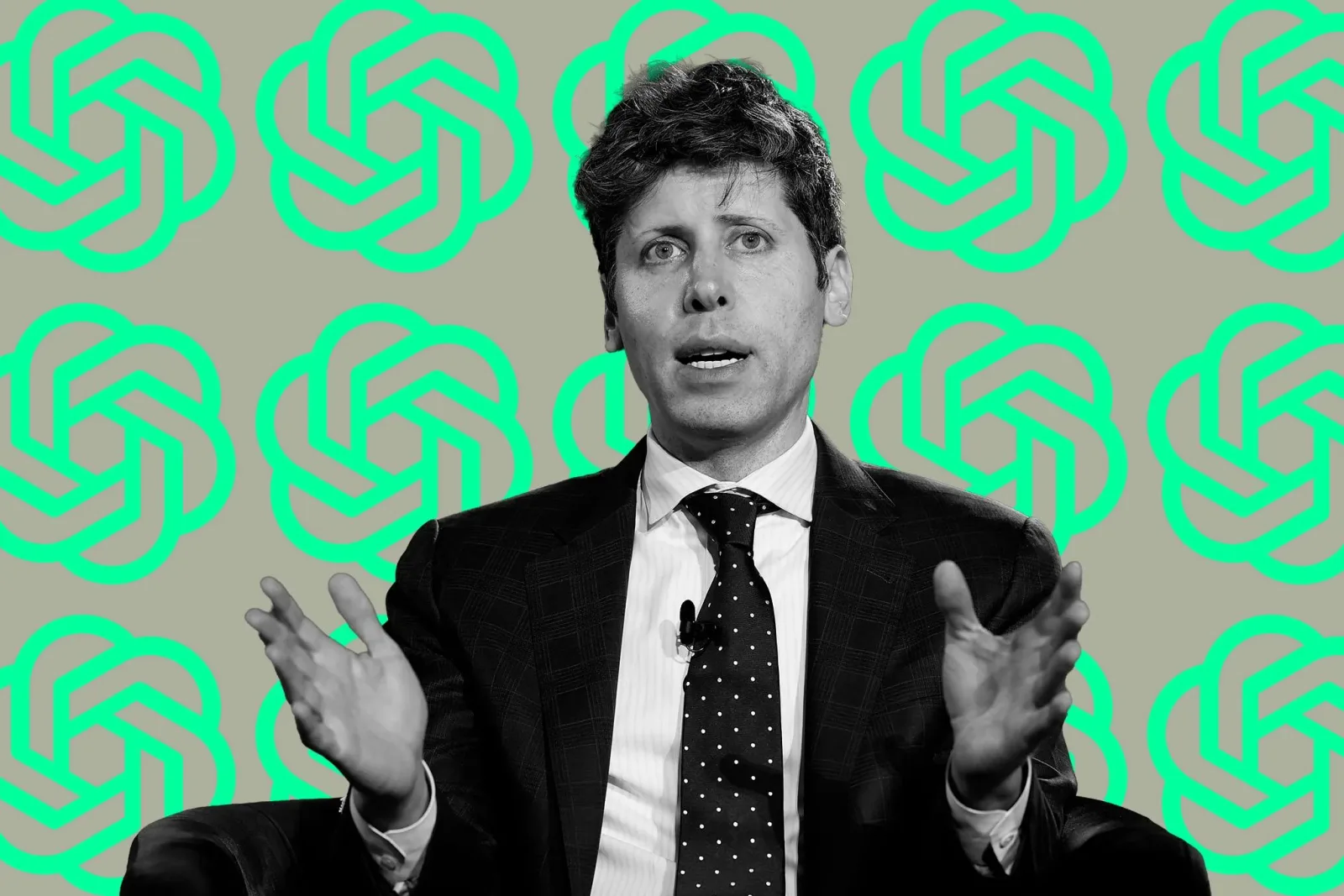
Sam Altman has officially put the brakes on the idea of an OpenAI initial public offering in 2026. During a recent interview with Fortune, the CEO made it clear that going public within that timeframe would be ill-advised. This statement directly addresses the speculation that has circulated among investors and tech observers for months. It signals a strategic pivot away from the rapid financial expansion that has characterized much of the AI boom.
The decision to delay an IPO is not just about financial timing. Altman emphasized that the current landscape of AI safety concerns makes a public listing premature. He argued that rushing into the public markets could compromise the company's ability to manage the immense risks associated with advanced artificial intelligence. This suggests that OpenAI is prioritizing long-term stability over short-term liquidity for its early backers.
Beyond the financials, the conversation took a serious turn toward existential risks. Altman confirmed that building an AI system beyond human control is absolutely possible. He did not shy away from the reality of recursive self-improvement, a scenario where AI systems can rewrite their own code to become smarter. This is a topic that has haunted the industry since the early days of machine learning research.
What stands out is his willingness to take drastic action to prevent such outcomes. Altman stated that OpenAI would pause training if necessary to mitigate these risks. He framed this as a moral obligation rather than a technical hurdle. The quote about not incurring risks on behalf of humanity underscores a shift in how leadership views its responsibility to the public.
The interview also touched on recent security challenges, including the hacking incident at Hugging Face. While this might seem like a tangent, it highlights the broader ecosystem vulnerabilities that OpenAI must navigate. As AI models become more integrated into critical infrastructure, the attack surface for malicious actors expands significantly. Security is no longer just an IT concern but a core component of AI development.
For professionals and entrepreneurs, this news offers a crucial perspective on the industry's trajectory. The delay in an IPO suggests that OpenAI will continue to operate with a level of control that prioritizes safety over speed. This could mean slower product rollouts but potentially more robust and reliable tools. It also indicates that the regulatory environment will likely play a larger role in shaping the future of AI.
What this means for you If you are building applications on top of large language models, expect a period of cautious integration. The focus on safety may lead to more rigorous testing and slower updates. To stay ahead, you should prioritize building workflows that are resilient to potential service interruptions. Try using an AI assistant to audit your current prompts for safety and compliance. Ask it to identify any potential vulnerabilities in how your data is processed. This proactive approach will help you adapt to a more regulated and safety-conscious AI landscape.
Reporting basis: original story
← back to The Wire