the wire · #ai · 2026-10-26
Anthropic is burning gas to feed the AI boom
Cech Tech Reviews

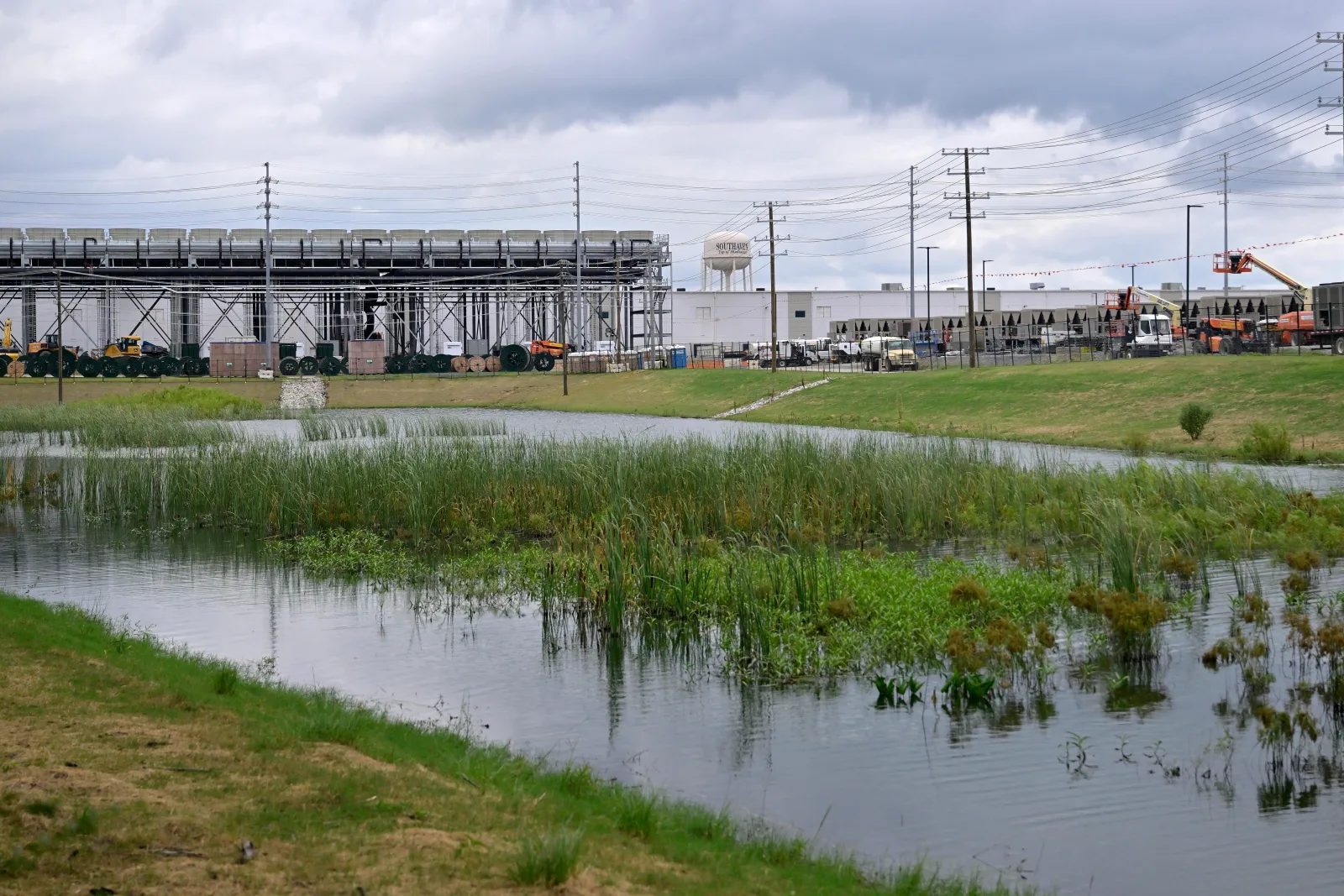
Anthropic is preparing to go public, and its recent S-1 filing with the US Securities and Exchange Commission has pulled back the curtain on a messy reality of the generative AI boom. According to reporting by The Verge, the company acknowledges that its data center expansion is increasingly tied to natural gas. This admission highlights a critical vulnerability that many investors and tech enthusiasts have overlooked in the rush to celebrate AI capabilities.
The filing explicitly states that competition for electrical supply and data center locations with adequate power availability is intense. This is not just a logistical hurdle but a fundamental constraint on growth. As AI models grow larger and more complex, the energy demands skyrocket, forcing companies to secure power sources that are readily available rather than necessarily the cleanest or most sustainable options.
Natural gas, which is primarily methane, has become the go-to fuel for many data centers because it can be deployed quickly. Unlike nuclear or large-scale renewable projects that take years to permit and build, gas plants can come online in a matter of months. This speed is essential for AI companies racing to market, but it comes with significant long-term risks regarding cost stability and environmental impact.
Anthropic admits that this reliance leaves its buildout vulnerable to rising fuel costs and existing supply chain constraints. When energy prices spike, the operational costs for training and running large language models increase dramatically. This creates a precarious financial situation where profitability is threatened by external factors beyond the company's direct control, such as geopolitical events or domestic production issues.
There is also a potential catch-two-two described in the documents. The very infrastructure needed to support AI growth is straining the grid and energy markets. As more companies like Anthropic, OpenAI, and Google scale up, the demand for power intensifies. This can lead to higher costs for everyone, including traditional industries, and may slow down the overall adoption of AI if energy becomes too scarce or expensive.
This development challenges the narrative that AI is inherently a green technology. While AI can optimize energy use in other sectors, its own footprint is massive and currently reliant on fossil fuels. Investors need to consider these environmental and operational risks when evaluating the long-term viability of AI startups. The transition to cleaner energy sources will require significant investment and time, which may not align with the rapid growth expectations of the market.
What this means for you: If you are building AI applications or investing in the sector, consider the energy efficiency of your models. Smaller, more efficient models may offer better long-term sustainability and cost benefits. Try using an AI assistant to analyze the computational cost of different model sizes for your specific tasks. You can prompt it with: "Compare the estimated energy consumption and inference latency of running a 7B parameter model versus a 70B parameter model for customer support automation, focusing on cost per query." This will help you make data-driven decisions that balance performance with operational efficiency.
Reporting basis: original story
← back to The Wire