the wire · #gadgets · 2026-08-12
Apple authenticating iPhone photos is just the start
Cech Tech Reviews
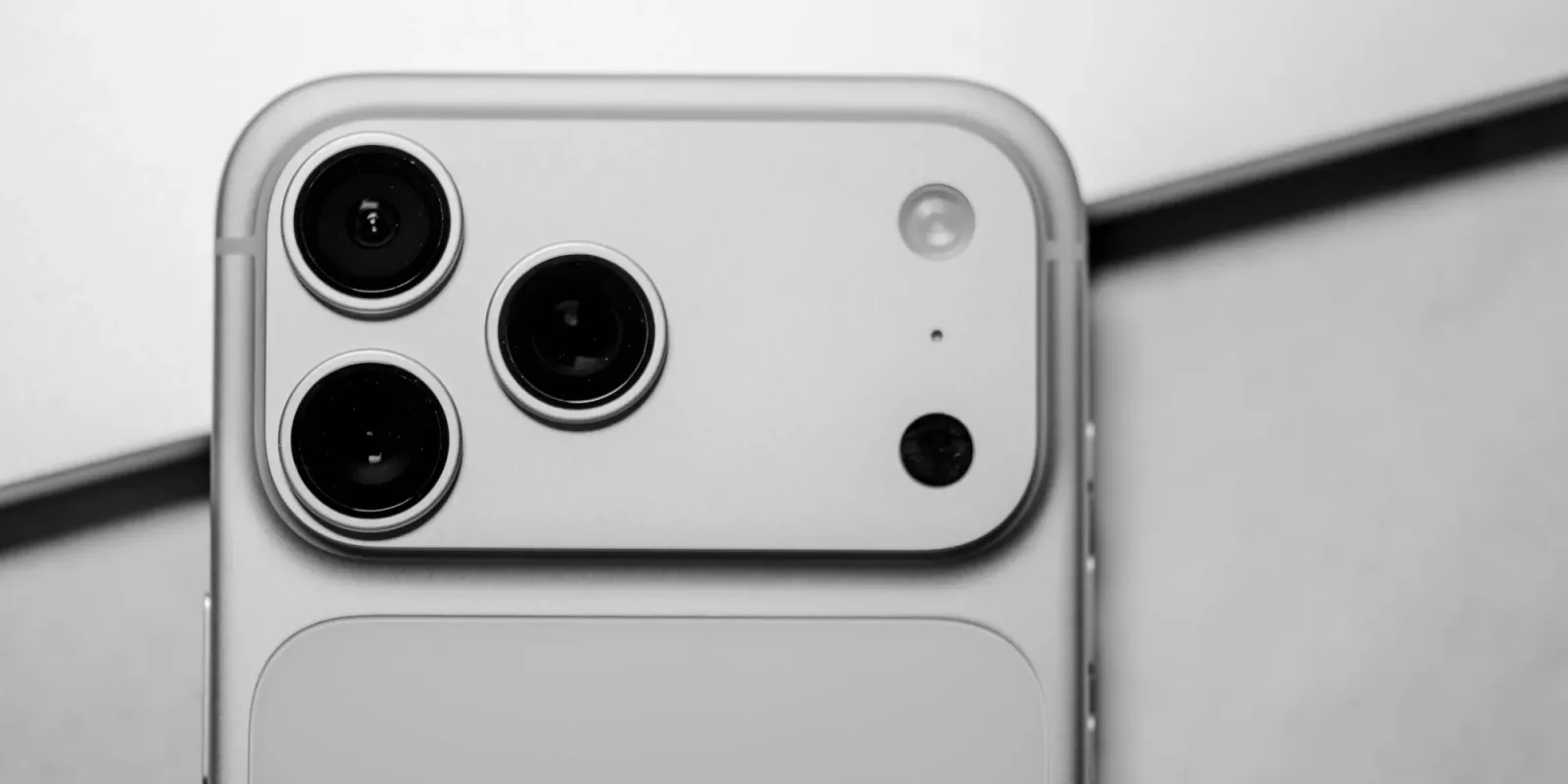
Apple is quietly preparing for a future where proving the origin of a photograph is as standard as taking it. According to reports from MacRumors, the iOS 17 Beta 5 build contains references to a new feature designed to authenticate iPhone photos. This is not a marketing gimmick or a simple filter. It represents a foundational shift in how mobile devices handle digital media integrity.
The immediate utility for the average consumer might seem limited. Most people share photos for personal memories rather than legal evidence. However, the implications extend far beyond social media captions. As artificial intelligence becomes capable of generating hyper-realistic images, the line between reality and fabrication will blur. This feature aims to create a technical boundary that AI cannot easily cross.
This development aligns with broader industry efforts to combat misinformation. Tech giants are realizing that voluntary content labeling is insufficient. They need cryptographic proof that an image was captured by a specific device at a specific time. Apple is positioning its hardware as the trusted source of truth in an increasingly synthetic digital landscape.
The timing of this rollout is critical. We are entering an era where deepfakes can influence elections, damage reputations, and spread panic. By embedding authentication at the OS level, Apple ensures that the proof travels with the file. This makes it significantly harder for bad actors to pass off AI-generated content as genuine footage from an iPhone.
Critics might argue that this creates a walled garden of trust. Only Apple devices would provide this verified provenance. This could disadvantage users of other platforms who cannot easily prove their content is authentic. However, it also sets a new standard that competitors will likely be forced to adopt to remain relevant in professional and journalistic contexts.
The move also raises privacy questions. If every photo carries a digital signature, does that compromise user anonymity? Apple has not detailed how this data is stored or shared. It is likely designed to be verifiable without exposing sensitive metadata to the public. The balance between transparency and privacy will be key to its adoption.
What this means for you As AI tools become more prevalent in your workflow, verifying the authenticity of visual content will become a professional skill. You should start treating image provenance as a critical component of your media strategy. Try using an AI assistant to draft a policy for your team on how to verify and document the source of all visual assets used in public communications. This simple workflow can protect your organization from inadvertently spreading misinformation.
Reporting basis: original story
← back to The Wire