the wire · #gadgets · 2026-08-10
Next year’s iPhone redesign with all-glass look might be canceled: report
Cech Tech Reviews
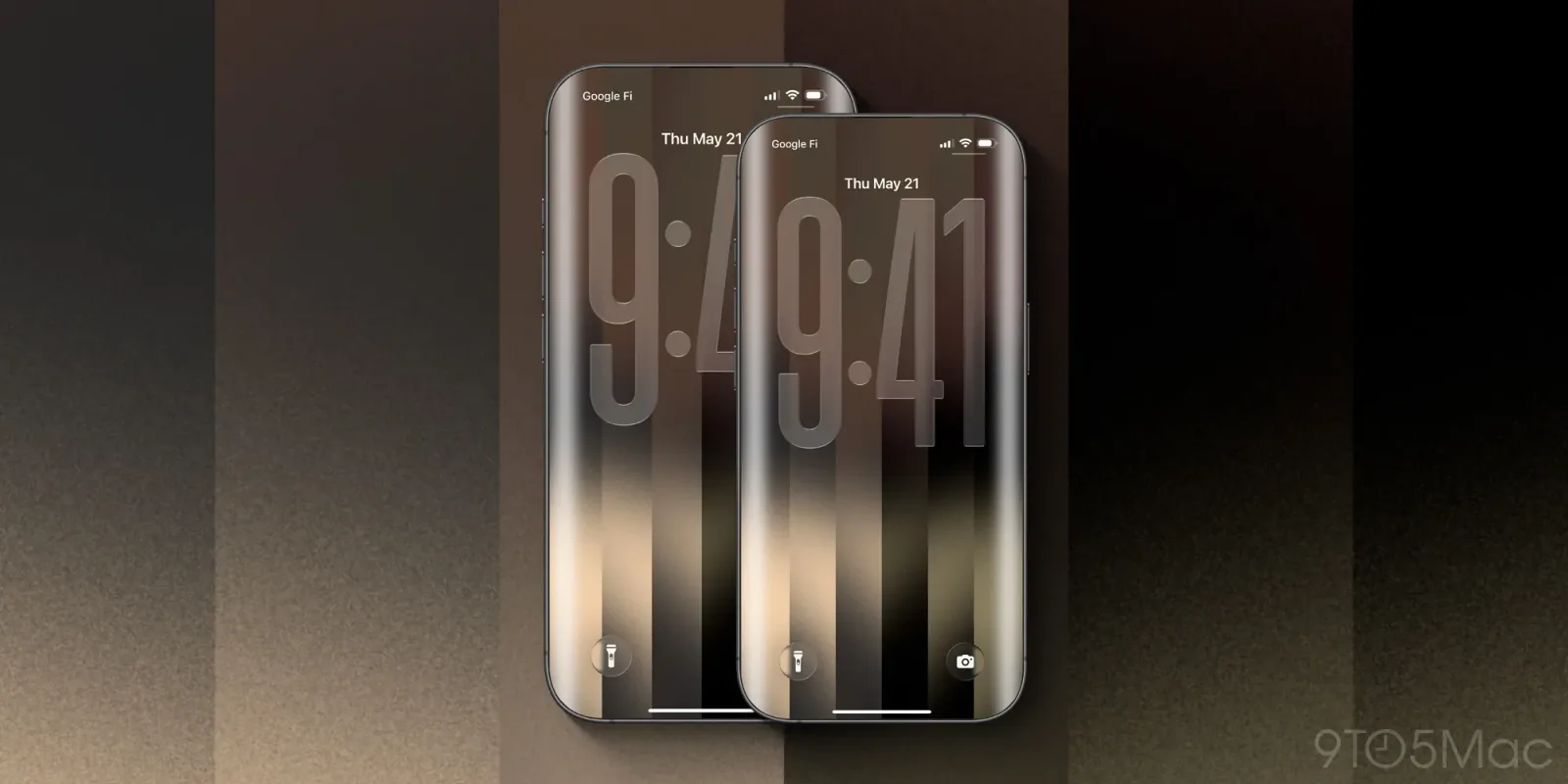
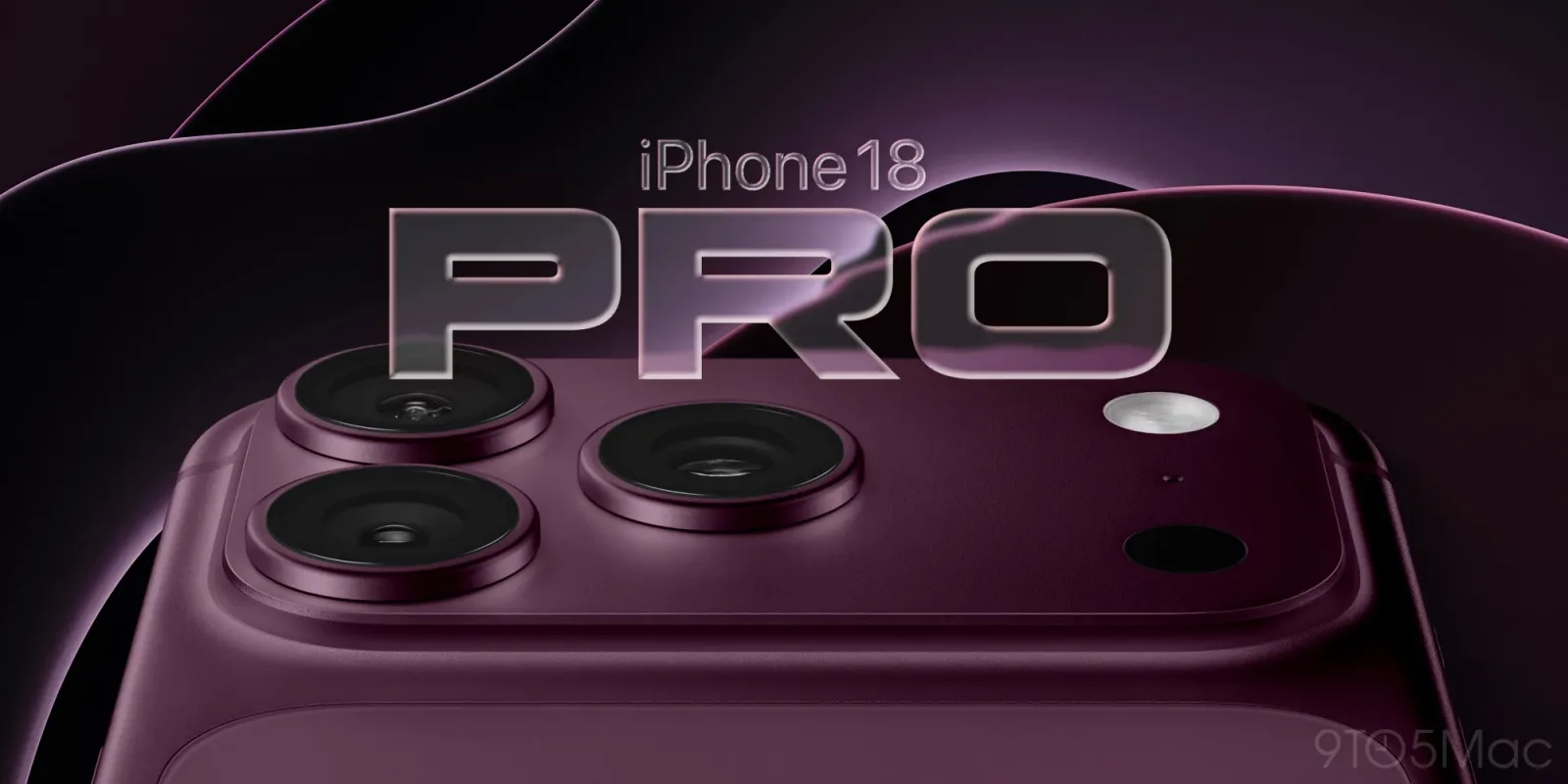
The tech world has been buzzing with anticipation for a radical shift in Apple's design language. For months, rumors suggested that the upcoming 20th anniversary iPhone would feature a stunning all-glass construction. This design was expected to break away from the stainless steel and aluminum frames that have defined the brand for nearly a decade. It promised a seamless, futuristic aesthetic that many enthusiasts had been waiting for.
However, the narrative is shifting rapidly. According to a recent report by Jefferies, this highly anticipated device is no longer moving forward. The investment bank's analysts believe that Apple has decided to cancel the all-glass project entirely. This is a significant reversal from previous leaks that painted a picture of a major hardware overhaul. The decision suggests that internal priorities have changed dramatically in recent months.
This cancellation highlights a broader trend in the smartphone industry. Manufacturers are increasingly prioritizing functional improvements over radical aesthetic changes. The cost of producing a flawless all-glass chassis is prohibitive. It also introduces new challenges regarding durability and repairability. Apple may have realized that the market is not ready for such a risky leap in design philosophy.
Instead, we are likely to see a continuation of the current design language. This means more incremental updates to cameras, processors, and battery life. These are the areas that users notice in their daily workflows. A sleek new look does not necessarily translate to better productivity or efficiency. Apple is likely focusing on the silicon and software integration that powers AI features.
The implications for AI developers and tech professionals are subtle but important. Hardware stagnation in design often coincides with software innovation. Apple will likely double down on on-device machine learning capabilities. This allows for faster processing of personal data without relying on the cloud. It is a strategic move that aligns with the growing demand for privacy and speed in AI applications.
For entrepreneurs and creators, this means the hardware barrier to entry remains stable. You do not need to wait for a revolutionary new form factor to upgrade your tools. The current generation of devices is still powerful enough to handle complex AI workflows. The focus should remain on how you leverage these tools rather than the casing they sit in.
What this means for you is that you can plan your tech stack with confidence. There is no need to hold out for a mythical all-glass device that may never arrive. Focus on optimizing your current setup for AI efficiency. Try this prompt to audit your current workflow: "Analyze my daily tasks and identify three areas where I can automate repetitive steps using existing AI tools on my current device." This approach yields immediate value without waiting for new hardware.
Reporting basis: original story
← back to The Wire