the wire · #gadgets · 2026-08-27
Apple is automatically updating some Apple Watch apps for watchOS 27 compatibility
Cech Tech Reviews
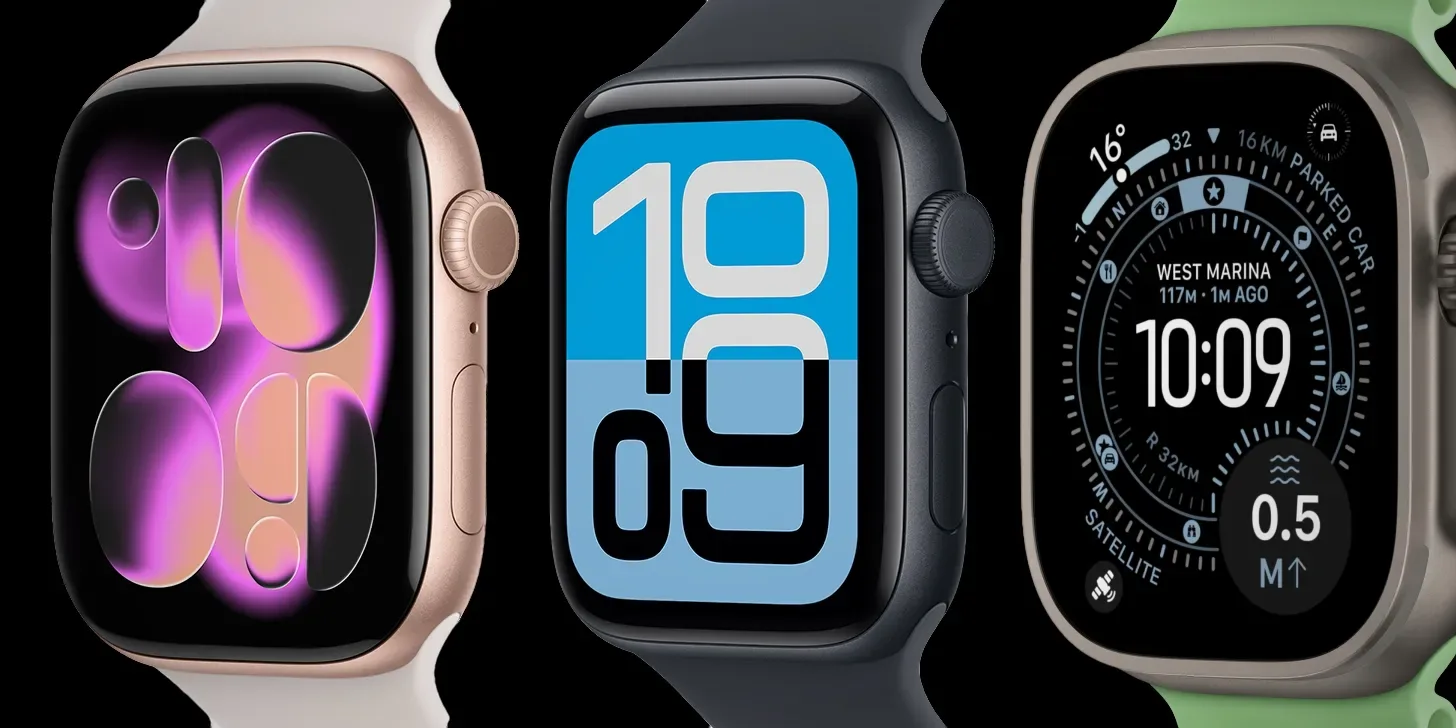
If you have been testing the watchOS 27 beta this summer, you might have encountered a frustrating glitch where certain third-party apps simply refuse to launch. Instead of forcing developers to scramble for emergency patches, Apple has stepped in to fix the issue directly. This intervention ensures that your favorite tools remain functional as the new operating system rolls out to the wider public.
According to reports, these updates are being pushed automatically through the App Store without requiring any action from the original developers. The update notes are quite transparent about the situation, stating that the app has been updated by Apple to prepare for watchOS 27 compatibility. Crucially, the note also clarifies that no new features are included in this patch.
This approach is a significant shift in how platform holders manage ecosystem stability. It suggests that Apple views app compatibility as a core infrastructure responsibility rather than just a developer obligation. By handling these fixes internally, they are reducing the friction for users who rely on these apps for daily health tracking, productivity, or communication.
For the broader tech industry, this highlights the increasing complexity of maintaining software across fragmented hardware and software versions. As AI models become more integrated into mobile and wearable devices, the potential for compatibility issues will only grow. Platforms like Apple are essentially becoming the ultimate safety net for third-party developers who may lack the resources to test every edge case.
However, this also raises questions about accountability and transparency. If Apple is modifying third-party code to ensure compatibility, who is responsible if those modifications introduce new bugs or security vulnerabilities? It creates a gray area where the platform owner is directly intervening in the functionality of independent software.
The move also signals that Apple is prioritizing user experience over strict adherence to developer autonomy in this specific context. They are willing to take on the technical debt of these patches to ensure a smooth transition for the millions of users upgrading to the new OS. This is a pragmatic approach that favors stability over ideological purity.
What this means for you is that you can expect more platform-level interventions as AI features become more complex. To stay ahead, you should monitor how your AI tools handle system updates. Try this workflow: set up a dedicated test environment for your AI assistants to run compatibility checks before you deploy them to your primary device. This proactive step can save you from unexpected downtime when major OS updates hit.
Reporting basis: original story
← back to The Wire