the wire · #gadgets · 2026-08-27
The Xiaomi 18 Fold leaks, ahead of the iPhone Ultra launch
Cech Tech Reviews
The debate over the future of foldable smartphones has finally settled into a clear winner. For a while, the industry was torn between flip-style clamshells and book-style folds. Now, the evidence suggests the book-style form factor is taking the lead. This shift is not just about hardware aesthetics. It represents a fundamental change in how we interact with mobile computing.
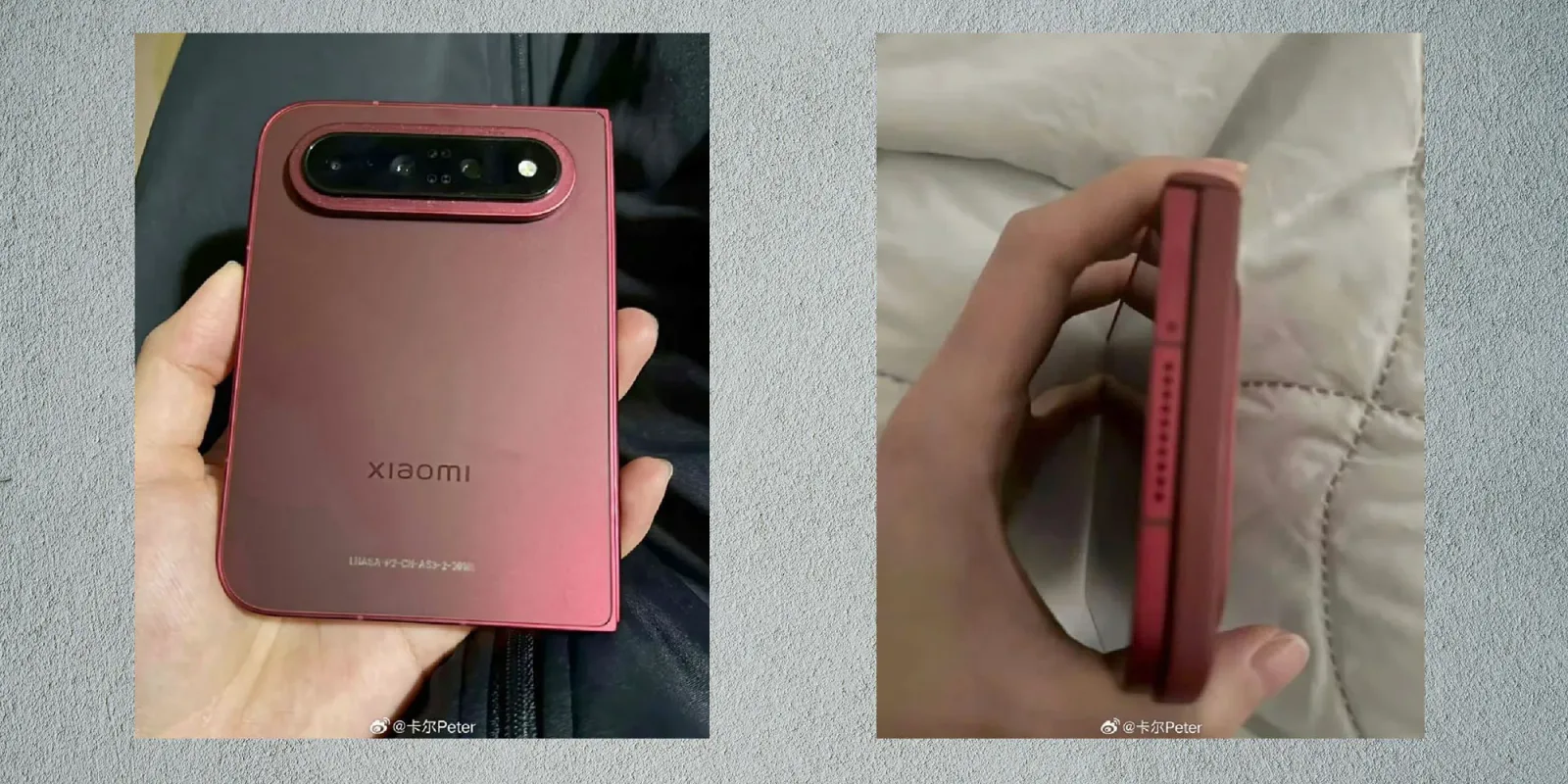
According to recent leaks reported by various tech outlets, Xiaomi is preparing to enter this space with its 18 Fold. The device follows the same horizontal folding pattern seen in Samsung's latest generation. This alignment with industry giants signals a strong consensus among manufacturers. They are betting big on the tablet-like experience that book-style folds provide.
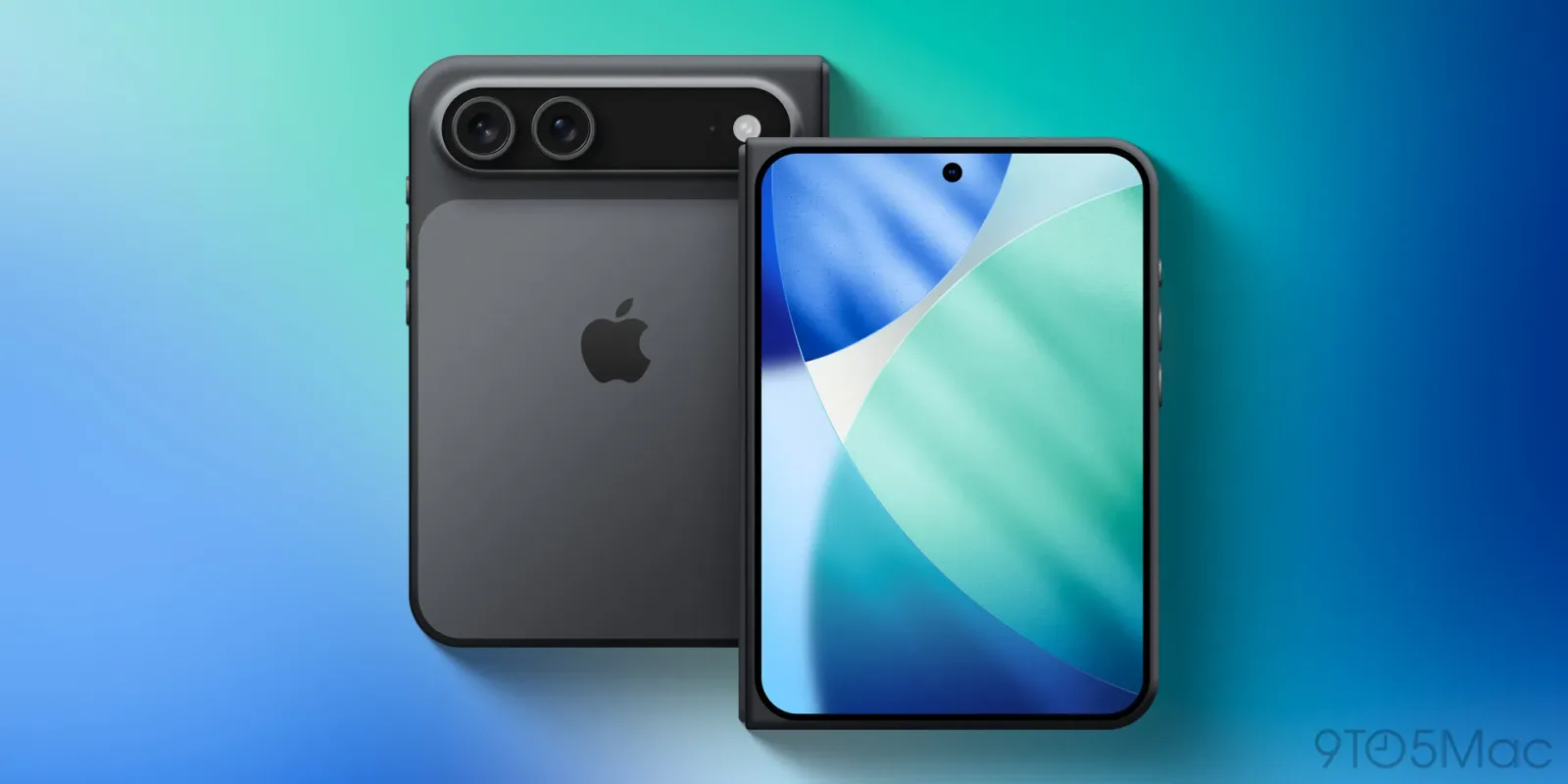
This trend is also expected to influence Apple's upcoming iPhone Ultra. Rumors suggest Apple will adopt a similar horizontal fold design. If this holds true, the market will see a unified standard for large-screen mobile devices. This could simplify app development and user expectations across different brands.
The implications for AI are significant. Larger screens allow for more complex interfaces and better data visualization. Users can view multiple AI-generated outputs side by side. This is crucial for professionals who need to compare documents or code snippets. The foldable form factor essentially turns a phone into a pocket-sized workstation.
We are seeing a convergence of hardware and software needs. AI models require more context and screen real estate to be truly useful. A book-style fold provides the necessary space for these interactions. It allows for a more natural reading and writing experience. This is a step forward from the cramped vertical scrolling of traditional phones.
The competition is heating up as major players align on this design. Xiaomi, Samsung, and potentially Apple are all moving in the same direction. This standardization could accelerate adoption and reduce costs. It also means developers can optimize their AI tools for a specific screen ratio. This leads to a more polished and efficient user experience.
What this means for you is that your mobile AI workflow is about to get a major upgrade. You will soon have the screen space to run more advanced AI tasks on the go. Instead of just chatting with an AI, you can analyze large datasets or edit complex documents. To prepare, try this workflow with your AI assistant: paste a long report into the chat and ask it to create a side-by-side comparison table of key findings. This simulates the multitasking capability you will soon have on a foldable device. It helps you identify which tasks benefit from larger screens and which do not.
Reporting basis: original story
← back to The Wire