the wire · #gadgets · 2026-08-25
Apple releases new Magic Keyboards with one notable change
Cech Tech Reviews
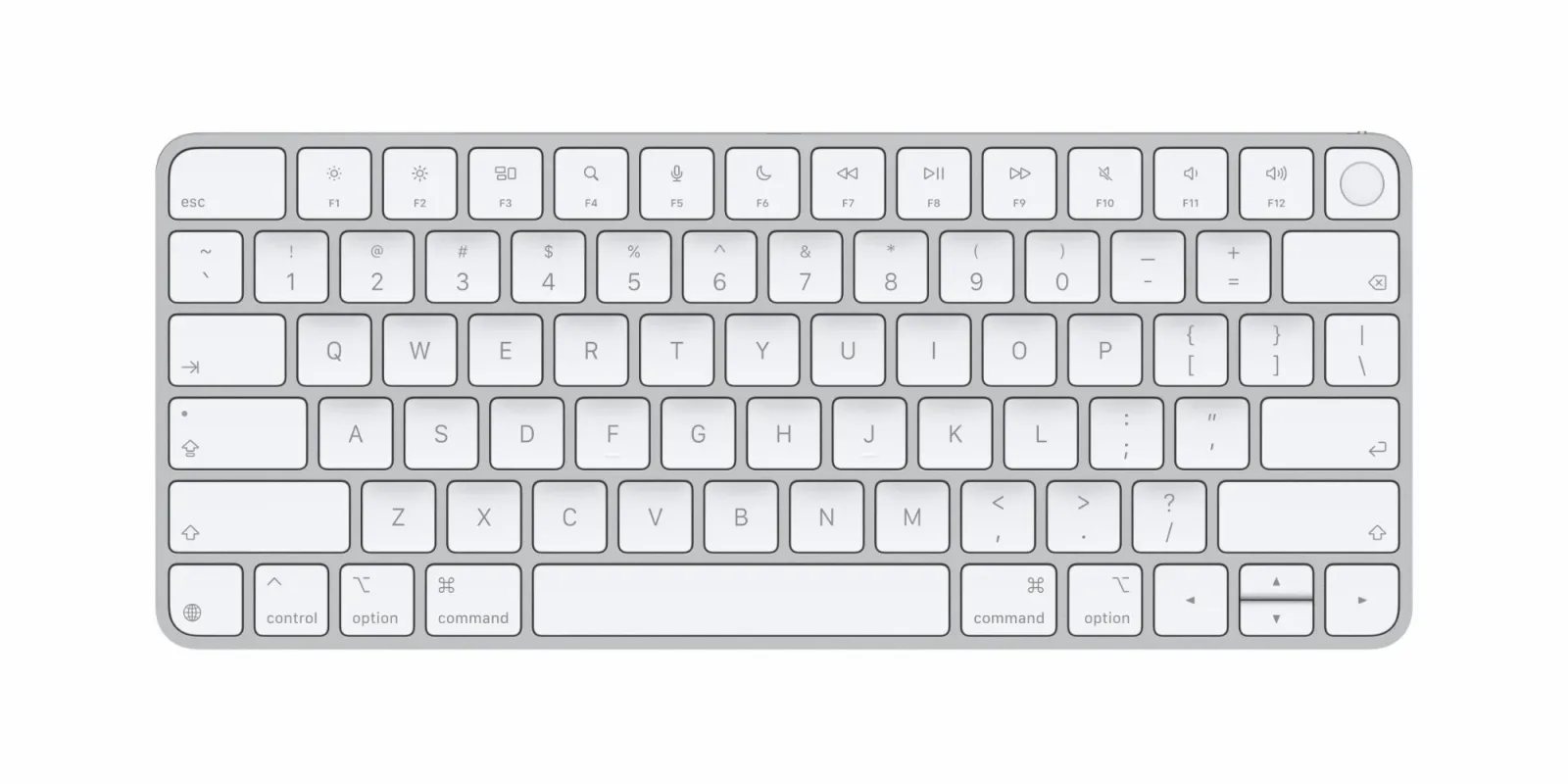
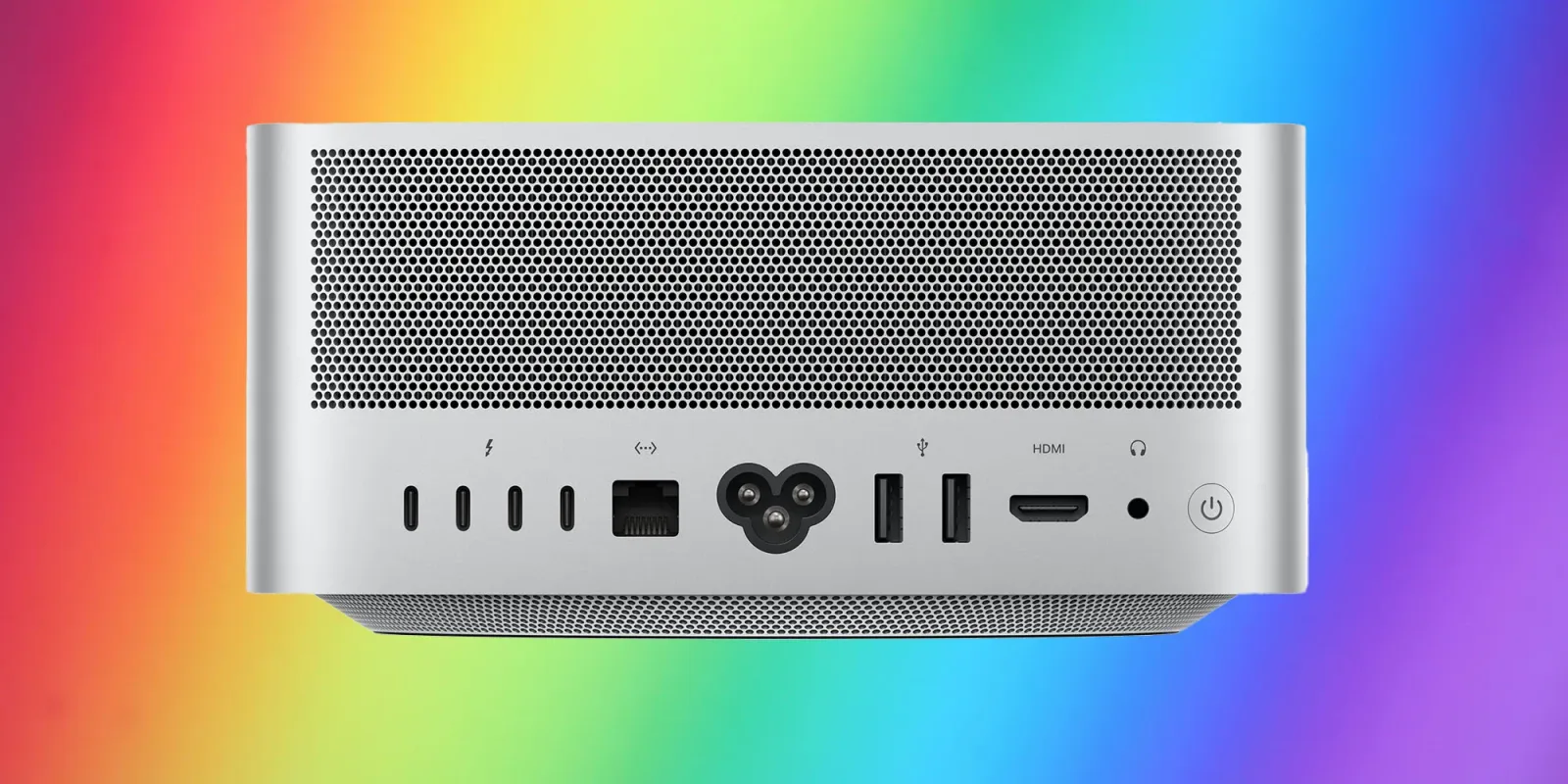
Apple has officially rolled out the latest iterations of its Mac mini and Mac Studio, but the real story for many professionals lies in the subtle updates to the Magic Keyboard lineup. According to recent reports, these peripheral adjustments are minor yet deliberate, signaling a mature phase in Apple’s hardware ecosystem rather than a revolutionary leap. For AI enthusiasts and developers who rely on precise input devices, these small tweaks might seem insignificant, but they often hint at deeper supply chain or manufacturing shifts.
The core of the update involves refinements to the existing Magic Keyboard models, which have remained largely unchanged for years. Apple is known for its iterative approach, polishing products until they meet specific cost or quality benchmarks. In this case, the changes likely address long-standing user feedback regarding key feel, connectivity stability, or internal component sourcing. While the headline focuses on the new Macs, the keyboard updates serve as a quiet indicator of Apple’s commitment to maintaining a cohesive user experience across its entire product line.
This strategy is particularly relevant for users building custom AI workstations. The Mac mini and Mac Studio are popular choices for local model training and inference due to their compact form factors and powerful M-series chips. The accompanying peripherals must match this reliability. A stable, responsive keyboard is not just a luxury but a necessity for developers who spend hours coding, debugging, and interacting with command-line interfaces. The minor updates ensure that these critical tools remain dependable without introducing new bugs or compatibility issues.
From an industry perspective, Apple’s approach contrasts with competitors who frequently release new form factors. By sticking to a proven design and making incremental improvements, Apple reduces risk and maintains high profit margins. This allows them to invest more heavily in the silicon and software integration that truly drives performance. For the average consumer, this means less disruption and more stability. For the pro user, it means knowing exactly what they are getting, with no learning curve or unexpected changes to their workflow.
The timing of these updates alongside the new Mac releases is strategic. It reinforces the idea that the entire ecosystem, from the chip to the keyboard, is optimized for performance. This holistic approach is a key selling point for Apple’s professional tools. As AI workloads become more demanding, the synergy between hardware components becomes increasingly important. A laggy or unresponsive peripheral can disrupt the flow of work, making these subtle refinements more valuable than they appear on the surface.
What this means for you: If you are building a dedicated AI development station, do not overlook the input devices. The reliability of your keyboard can impact your productivity during long coding sessions. Consider upgrading to the latest Magic Keyboard if you are still using an older model, as the minor updates may improve longevity and performance. Try this workflow: Use your AI assistant to generate a custom keyboard shortcut map for your most frequent coding tasks. Paste your current workflow into an AI tool and ask it to suggest optimizations for your new keyboard setup. This simple step can save you hours of manual configuration and help you leverage the full potential of your new hardware.
Reporting basis: original story
← back to The Wire