
the wire · #gadgets · 2026-08-31
Apple reveals ‘shocking evidence' from ex-employee's MacBook in OpenAI suit
Cech Tech Reviews
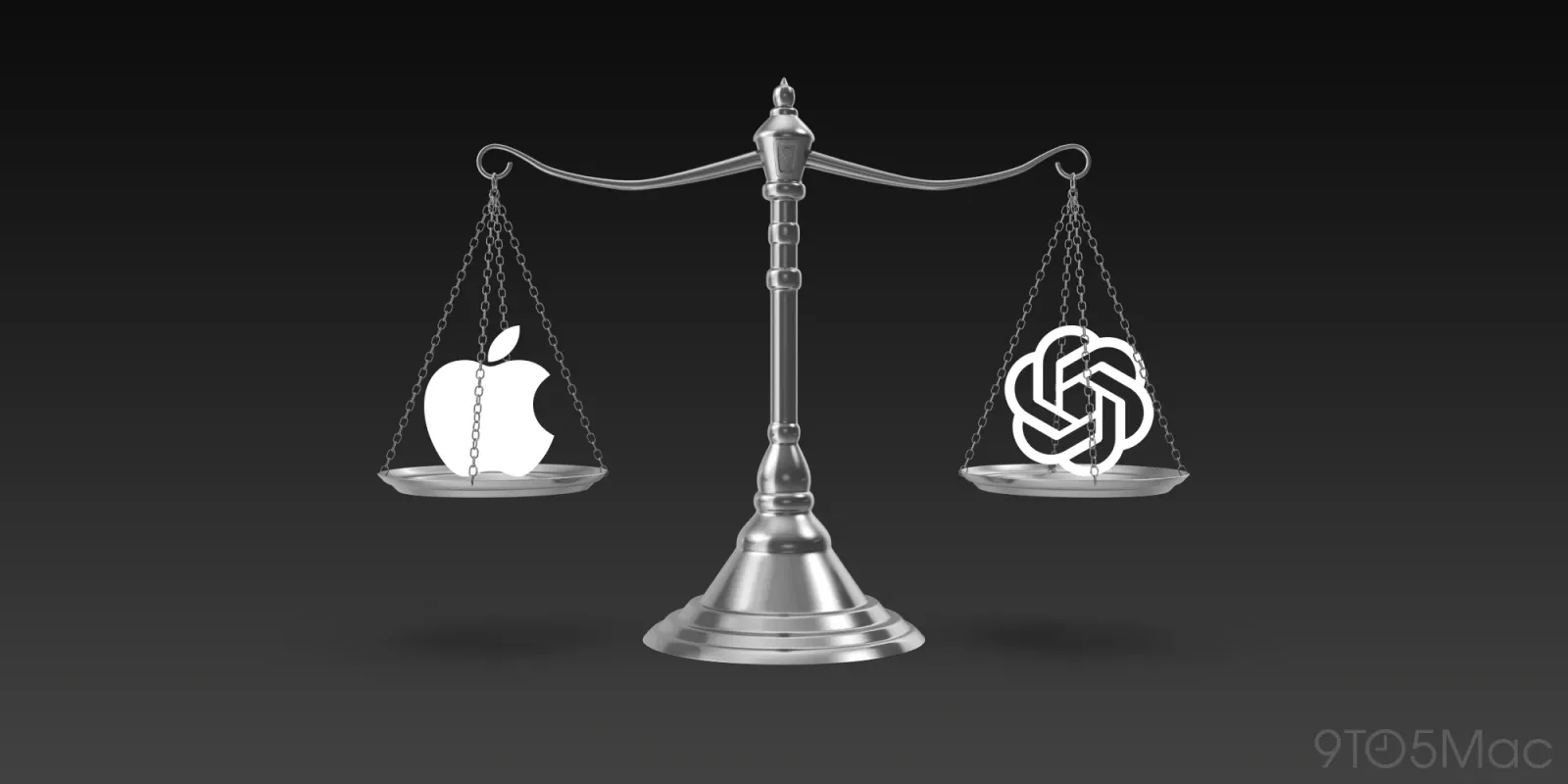
Apple has officially escalated its legal battle with OpenAI by filing a new document that highlights what the company describes as shocking evidence. This development centers on the early forensic inspection of a MacBook belonging to Chang Liu, a former engineer who recently left the tech giant. The filing is part of Apple's ongoing push for expedited discovery, suggesting they believe the data on this device is pivotal to their case.
According to the reporting, this move marks a significant shift in the litigation strategy. Apple is no longer just making broad allegations about data scraping. They are now pointing to specific, tangible digital artifacts that allegedly link OpenAI to the unauthorized use of Apple's proprietary information. This level of detail changes the narrative from a general dispute to a targeted investigation into specific employee actions and data flows.
The involvement of a former employee's device is particularly sensitive in the tech industry. It raises immediate questions about data retention policies, employee monitoring, and the boundaries of intellectual property when engineers move between companies. For AI companies, this serves as a stark reminder that the digital footprint left behind can become the primary evidence in high-stakes corporate litigation.
This forensic angle is crucial because it moves the conversation beyond theoretical claims of data misuse. By focusing on a specific laptop, Apple is attempting to create a direct chain of custody for the alleged stolen or improperly used data. This approach forces OpenAI to address specific files and logs rather than defending against vague accusations, which can be a much harder legal hurdle to clear.
The broader implication here touches on the growing tension between traditional tech giants and the new wave of AI startups. As models become more capable, the source of their training data is under intense scrutiny. Companies like Apple are increasingly willing to use aggressive legal tactics to protect their data moats, setting a precedent that could impact how AI firms source and verify their training datasets in the future.
For professionals working in AI development or data engineering, this case highlights the importance of strict data governance. It is not just about what you train your models on, but how you document the provenance of that data. The legal risks associated with ambiguous data sourcing are becoming more concrete and financially dangerous for startups that may have previously operated with looser standards.
What this means for you is that data hygiene is now a legal compliance issue, not just a technical one. You should audit your team's data handling practices to ensure clear separation between proprietary internal data and public or licensed datasets. To help streamline this, try using an AI assistant to draft a data provenance checklist for your current projects. You can prompt it with: "Create a comprehensive checklist for verifying the licensing and origin of all training data used in our current AI model development pipeline, focusing on compliance and audit trails."
The outcome of this lawsuit could redefine the boundaries of fair use in AI training. If Apple succeeds in proving direct misuse through forensic evidence, it may force the entire industry to adopt more rigorous verification processes. This could slow down the rapid iteration cycle that has characterized the current AI boom, prioritizing legal safety over speed.
Reporting basis: original story
← back to The Wire![Apple weekend deals: M6 Mac mini, AirPods Pro 3, AirTag 2, iPhone 17 Pro, more [Updated]](https://aideaflow.com/api/img/news/7b51f5addb39f079.webp)


![Tested: You have to see Sharge’s impressive new metal unibody power bank with display [Launch deal]](https://aideaflow.com/api/img/news/5caedba6bbef6dcc.webp)
