the wire · #gadgets · 2026-08-31
Unusual timing of Mac mini and Mac Studio updates all about AI, claims report
Cech Tech Reviews
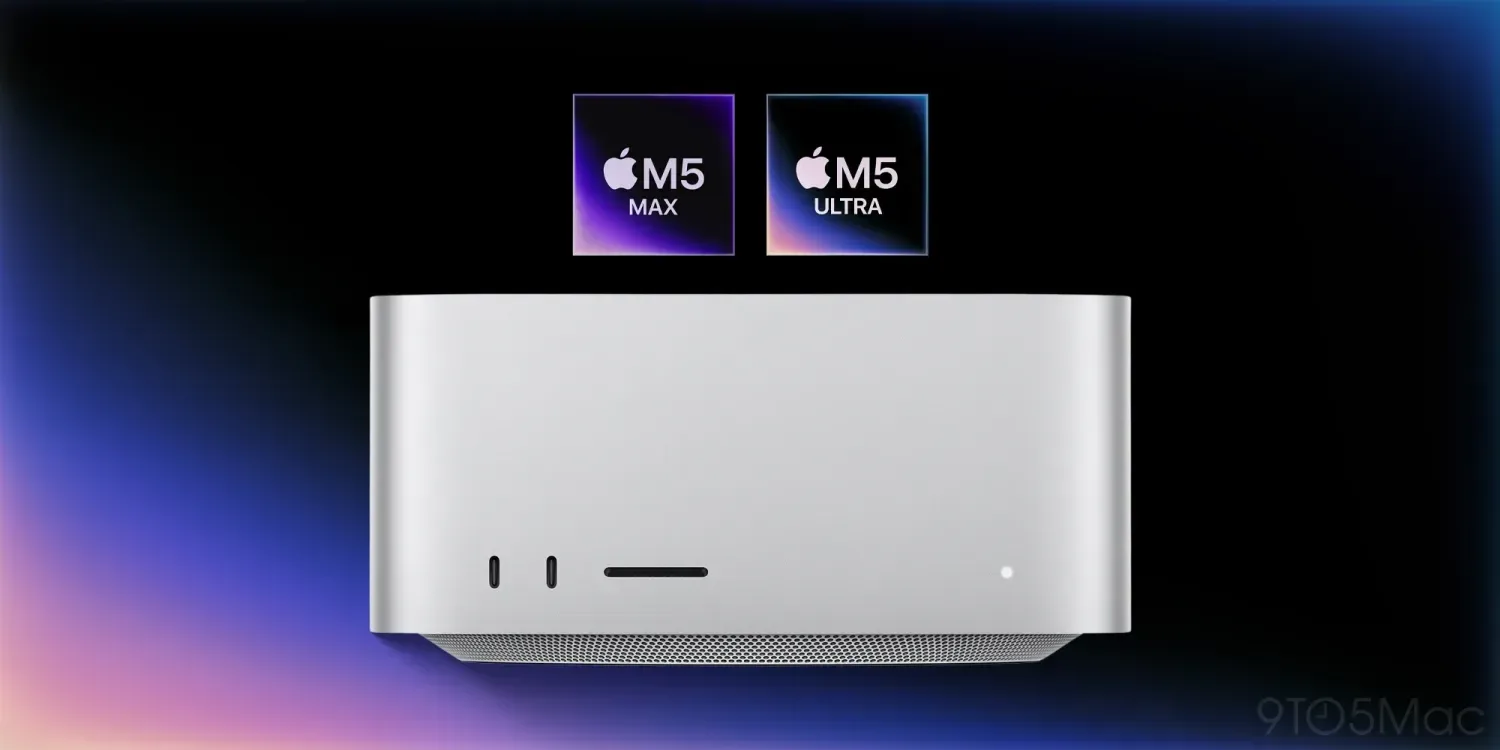
Apple has always been a master of controlled narrative, but its recent hardware moves suggest a deeper strategic shift. The company quietly updated the Mac mini and Mac Studio just before its major September event. This defies the usual pattern of bundling all announcements into a single keynote. According to reports, this unusual timing is not a scheduling error but a calculated move. The industry is now speculating that these updates are directly tied to the growing demand for AI capabilities.
The traditional theory was that Apple wanted to save room in its main presentation for bigger surprises. However, a more compelling angle is emerging. It appears Apple is signaling that its current silicon is ready for the next generation of local AI workloads. By refreshing these specific models, they are ensuring their entry-level and prosumer lines can handle intensive tasks. This is a subtle but powerful message to developers and power users alike.
The Mac mini has long been the budget-friendly gateway into the Apple ecosystem. Updating it now makes perfect sense if the goal is to lower the barrier to entry for AI experimentation. Meanwhile, the Mac Studio serves as a powerhouse for creative professionals. Its refresh ensures that high-end users have the compute density needed for complex model training and inference. This dual approach covers both ends of the professional spectrum effectively.
Local AI processing is becoming a critical differentiator in the hardware market. Users are increasingly concerned about privacy and latency when relying on cloud-based models. Apple’s silicon, particularly the Neural Engine, is designed to handle these tasks efficiently on-device. By updating these machines, Apple is reinforcing its value proposition against competitors who rely heavily on cloud infrastructure. This is a smart play in an era where data sovereignty matters.
The timing also suggests that Apple is preparing its software ecosystem for these hardware capabilities. New AI features in macOS and iOS will likely require more robust local processing power. By having the hardware ready, Apple can roll out these features without worrying about user hardware limitations. This creates a seamless experience that encourages upgrades and keeps users within the Apple ecosystem. It is a classic example of vertical integration at its finest.
This move also puts pressure on competitors to rethink their own hardware strategies. If Apple can deliver strong AI performance at a lower price point, it changes the market dynamics. Other manufacturers may need to follow suit with their own affordable AI-ready devices. The race for local AI supremacy is just beginning, and Apple is positioning itself as a leader. This could reshape how we think about personal computing in the age of artificial intelligence.
What this means for you: If you are looking to build a local AI workflow, the updated Mac mini is now a serious contender. You no longer need to invest in expensive workstations for basic model fine-tuning or inference. Try using an AI assistant to help you set up a local development environment. You can prompt your AI tool with: 'Create a step-by-step guide for installing a local LLM on macOS using the updated Mac mini, focusing on privacy and offline capabilities.' This will help you leverage the new hardware for secure, private AI tasks.
Reporting basis: original story
← back to The Wire

![Apple weekend deals: M6 Mac mini, AirPods Pro 3, AirTag 2, iPhone 17 Pro, more [Updated]](https://aideaflow.com/api/img/news/7b51f5addb39f079.webp)