the wire · #ai · 2026-07-29
Artists are lawyering up against AI slop, and some are even winning
Cech Tech Reviews
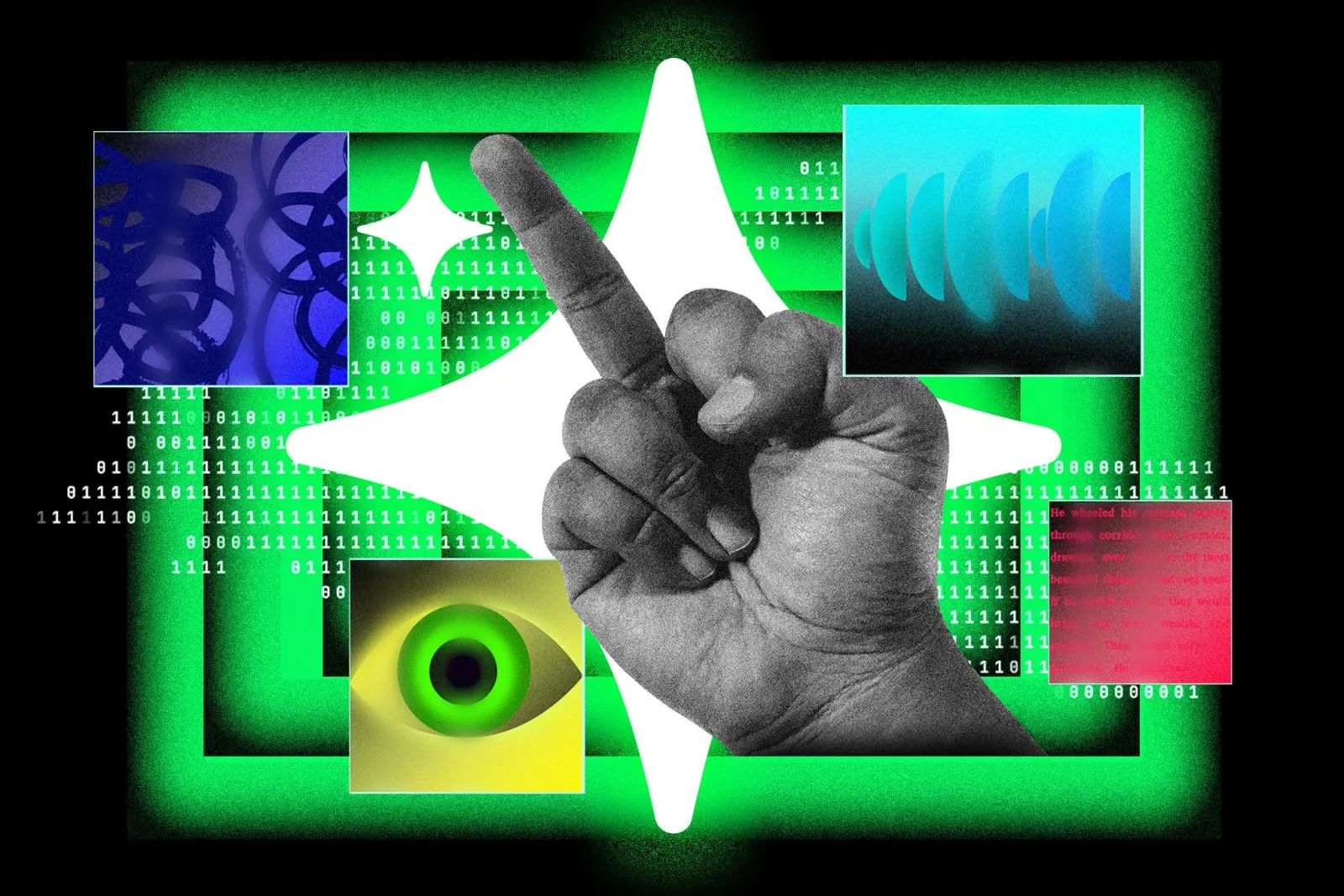
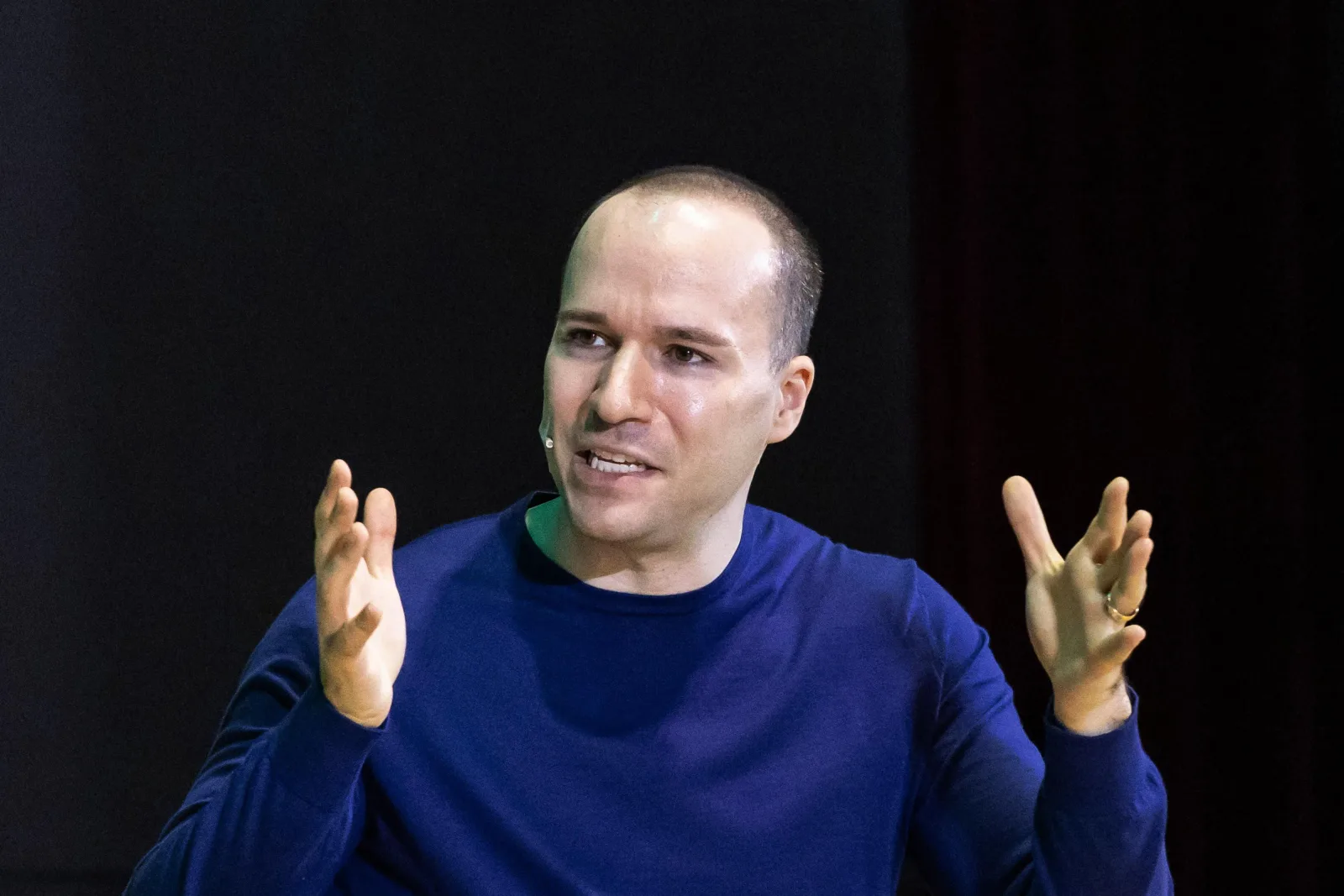
When The Atlantic published a searchable database of AI training data earlier this year, author Kirk Wallace Johnson did what thousands of creators did: he searched for his name. He found his books, including The Feather Thief, works that took him five to six years to research and write, sitting in datasets used to train chatbots. According to The Verge, he felt anger, worry, and what he calls a healthy thirst for revenge.
He is not alone, and more importantly, he is not just complaining on Twitter. Artists, writers, and photographers are filing lawsuits, and some are starting to win. Courts are being forced to answer a question the AI industry hoped would go away: does scraping copyrighted work without permission or payment constitute theft, or is it fair use? The answer is starting to lean toward the former.
This matters because the entire foundation of generative AI rests on training data. If creators can successfully argue that their work was stolen, not borrowed, AI companies face two expensive problems: they will owe back payment for the data they used, and they will need to license data going forward. Both options shrink margins and slow down the race to AGI.
The lawsuits are not just symbolic. They represent a shift in power. For the first time since the generative AI boom began, creators have leverage. Companies that built billion-dollar valuations on the back of unpaid labor are being forced to negotiate. Some are settling quietly. Others are digging in for a legal war that could reshape the industry.
What makes this wave different from past copyright fights is scale and proof. The Atlantic dataset gave creators a smoking gun. It is one thing to suspect your work was used. It is another to search a database and find it listed by name. That evidence is hard to dismiss in court, and judges are paying attention.
The outcome of these cases will set the rules for the next decade of AI development. If creators win broadly, expect licensing deals, transparency requirements, and opt-out mechanisms to become standard. If AI companies win, expect the free-for-all to continue, and the gap between those who own models and those who create the underlying work to widen further.
What this means for you: if you create anything, written, visual, or otherwise, assume it has been or will be scraped. Document your work, register copyrights, and watch these cases. If you are building with AI, be aware that the legal ground is shifting. Here is a prompt to audit your own exposure: "I create [type of content]. What steps should I take to protect my work from unauthorized AI training, and what legal precedents should I be aware of in 2026?" Use it with Claude or ChatGPT to get a current rundown of your options.
Reporting basis: original story
← back to The Wire