the wire · #ai · 2026-07-28
Smart rings are looking like my kind of AI gadget
Cech Tech Reviews
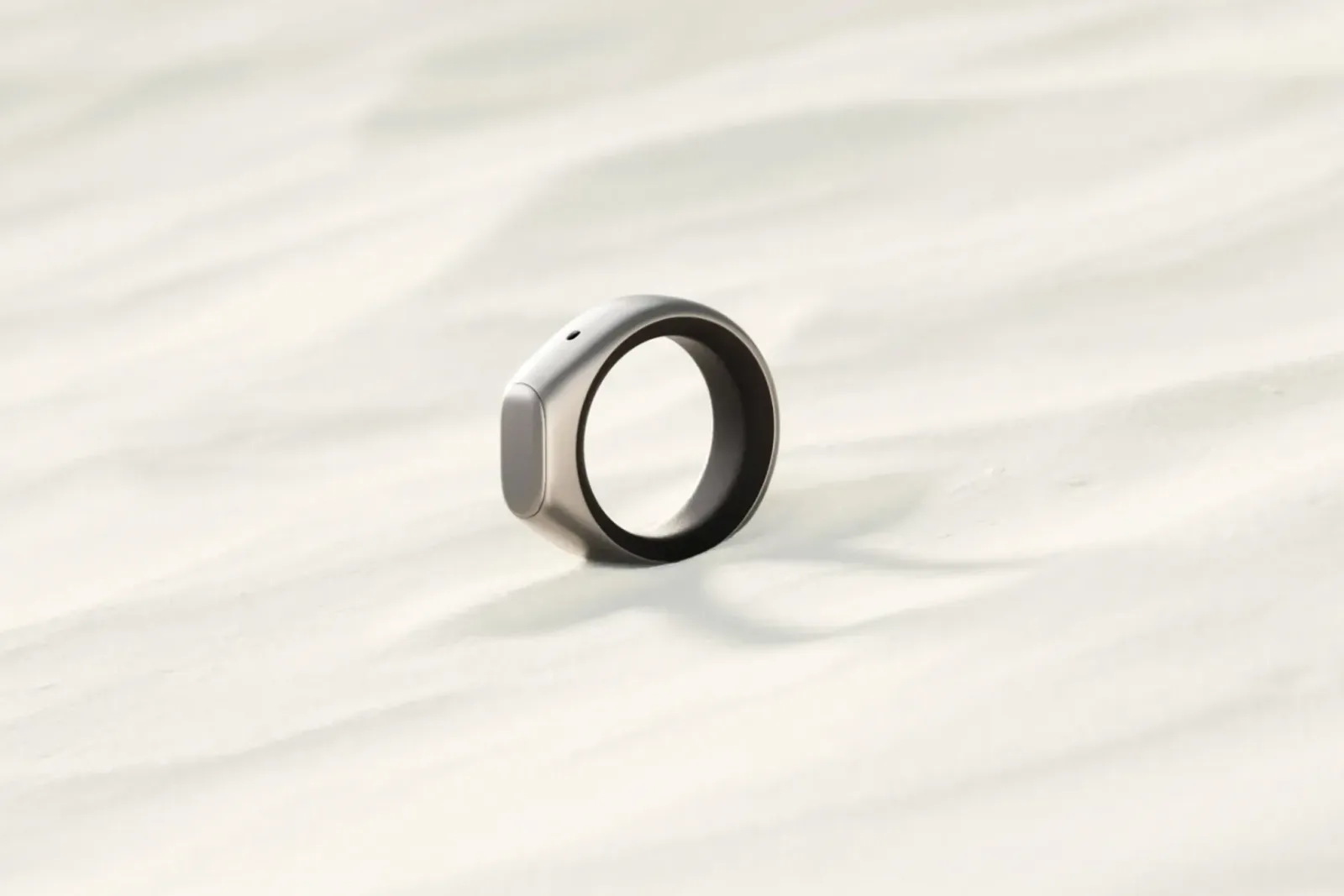
The headline about smart rings might catch your eye, but the real story buried in The Verge’s reporting is far more impactful for your daily workflow. We are witnessing a quiet but massive leap in dictation technology, powered by the same large language model revolution that changed chatbots. This isn't just about speaking into a microphone anymore. It is about machines that actually understand context, tone, and intent.
According to the reporting, even the fastest and cheapest models are now getting remarkably good at processing speech. This democratization of high-quality speech recognition means you do not need expensive enterprise hardware to get professional results. The barrier to entry has collapsed, allowing tools like WisprFlow, Monologue, and Spokenly to enter the fray with serious capabilities.
I have tested many of these apps recently, and the utility is undeniable. They serve as excellent shortcuts for drafting emails, Slack messages, and other routine communications. The friction of typing is being replaced by the natural flow of conversation. This shift allows professionals to maintain productivity without getting bogged down in manual data entry.
However, the technology is not without its quirks. As noted in the source material, these tools often default to an overly formal style. They also have a strange habit of ending text messages with periods, which can make your digital voice sound stiff or even aggressive. It is a small but noticeable friction point that users must actively manage.
The good news is that these models are learning and adapting. The gap between robotic transcription and natural conversation is closing rapidly. This improvement suggests that the next generation of AI assistants will be far more nuanced in their output. We are moving from simple command execution to collaborative drafting.
This trend has broader implications for how we design interfaces. If speech becomes the primary input method, user experience design must prioritize audio-first interactions. The smart ring mentioned in the headline is just one example of this hardware shift. The software backbone is already here and it is getting smarter every day.
What this means for you is that you should start integrating voice-to-text into your daily routine. Stop typing mundane messages and start speaking them. Use an AI assistant to refine the tone and remove the robotic period endings. Try this prompt to fix the style: "Rewrite this draft to sound casual and conversational, removing any unnecessary formality or punctuation errors."
The future of work is not just about faster typing. It is about seamless communication. The tools are ready. The models are cheap. The only limit is your willingness to speak up. Embrace the voice revolution before it becomes the standard you are forced to follow.
Reporting basis: original story
← back to The Wire