the wire · #ai · 2026-10-24
Blue Planet III is keeping the rough edges in the age of AI
Cech Tech Reviews
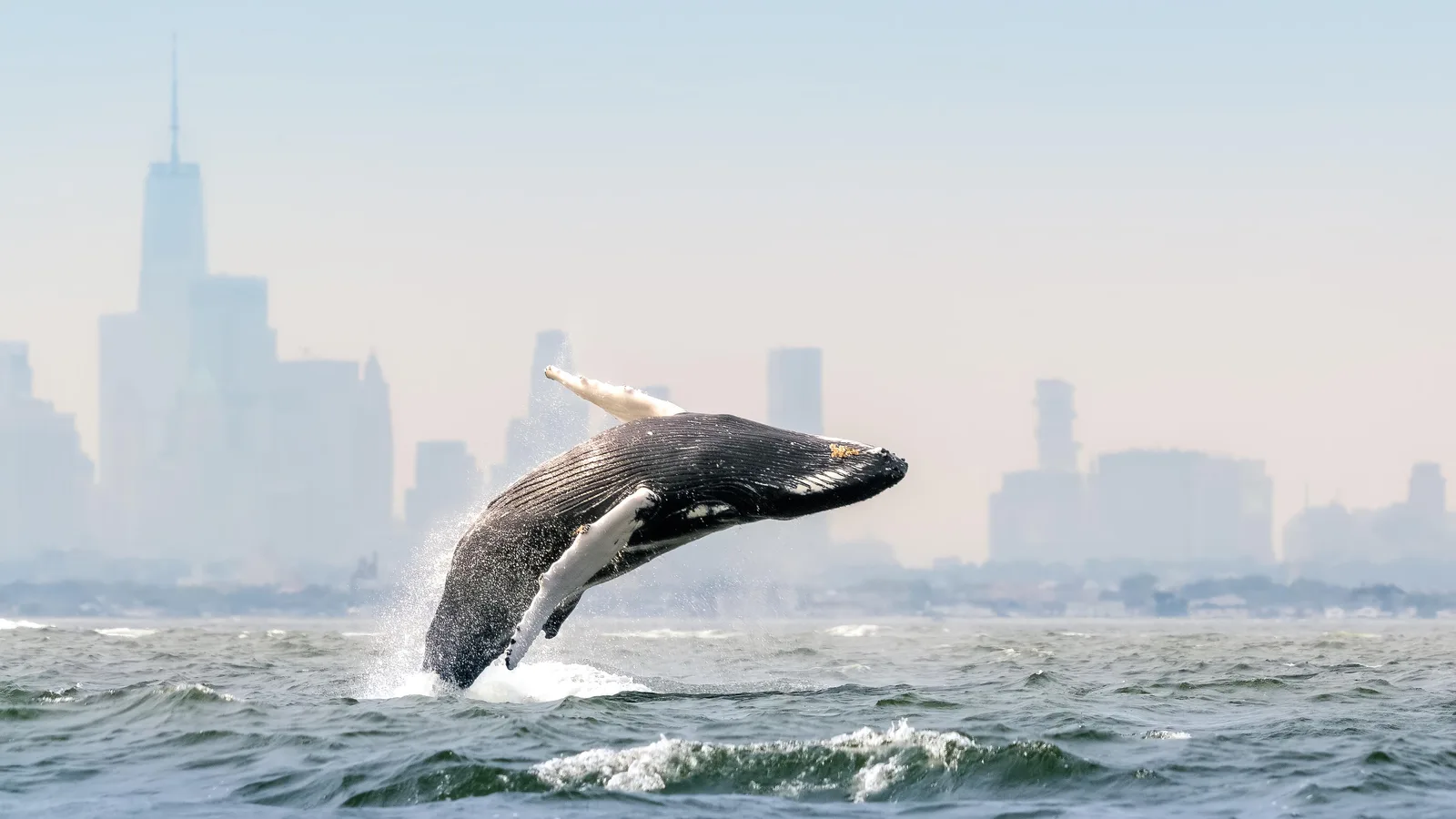
The release of Blue Planet III marks a fascinating pivot in how we define high-quality nature documentation. According to reporting by The Verge, the production team is intentionally keeping rough edges and imperfect shots that previous generations of the series would have discarded. This decision is not just an aesthetic choice but a strategic response to the growing ubiquity of artificial intelligence in media creation.
For decades, nature documentaries were defined by their crystal-clear, almost surreal footage. The visuals were so pristine that they often felt too good to be real. However, as AI tools become capable of generating seamless, hyper-polished imagery, that level of perfection has become a red flag for authenticity. Viewers are now trained to spot the telltale signs of synthetic media, which often lack the chaotic beauty of the natural world.
Executive Producer Elizabeth White explained to The Guardian that the crew used to cut shots due to floating plankton or poor water conditions. They would also frame out boats or buoys to maintain a pristine visual narrative. This time, they are leaving those elements in. The presence of a distant boat or murky water serves as a grounding anchor, reminding the audience that they are watching real events captured by real cameras.
This approach highlights a broader cultural anxiety about the erosion of trust in digital media. As generative AI makes it easier to create flawless but fake content, the value of imperfection skyrockets. The rough edges act as proof of life. They signal that the footage was not generated by an algorithm but captured through the unpredictable and often messy reality of nature.
The implications for content creators are significant. We are moving into an era where authenticity is the ultimate differentiator. Brands and creators who rely on overly polished, AI-enhanced content risk being dismissed as inauthentic. The market is beginning to reward transparency and raw reality over synthetic perfection. This is a shift from valuing technical flawlessness to valuing human or natural truth.
For professionals using AI tools, this trend suggests a need for balance. While AI can enhance efficiency, it should not be used to erase the unique quirks that make content feel genuine. The goal is to use technology to support storytelling, not to replace the organic elements that resonate with audiences. Trust is becoming a scarce resource, and it is built through visible imperfection.
What this means for you: As you integrate AI into your workflow, remember that polish does not equal quality. Audiences are becoming skeptical of seamless synthetic media. To build trust, consider leaving room for human error or natural chaos in your outputs. Try using this prompt to refine your AI-generated content: "Review this text for overly perfect phrasing and suggest three ways to make it sound more conversational and slightly imperfect, including a minor personal anecdote or a colloquialism." This helps maintain the human touch that AI alone cannot replicate.
Reporting basis: original story
← back to The Wire