the wire · #ai · 2026-09-21
California tightens rules on AI data center energy and water use
Cech Tech Reviews
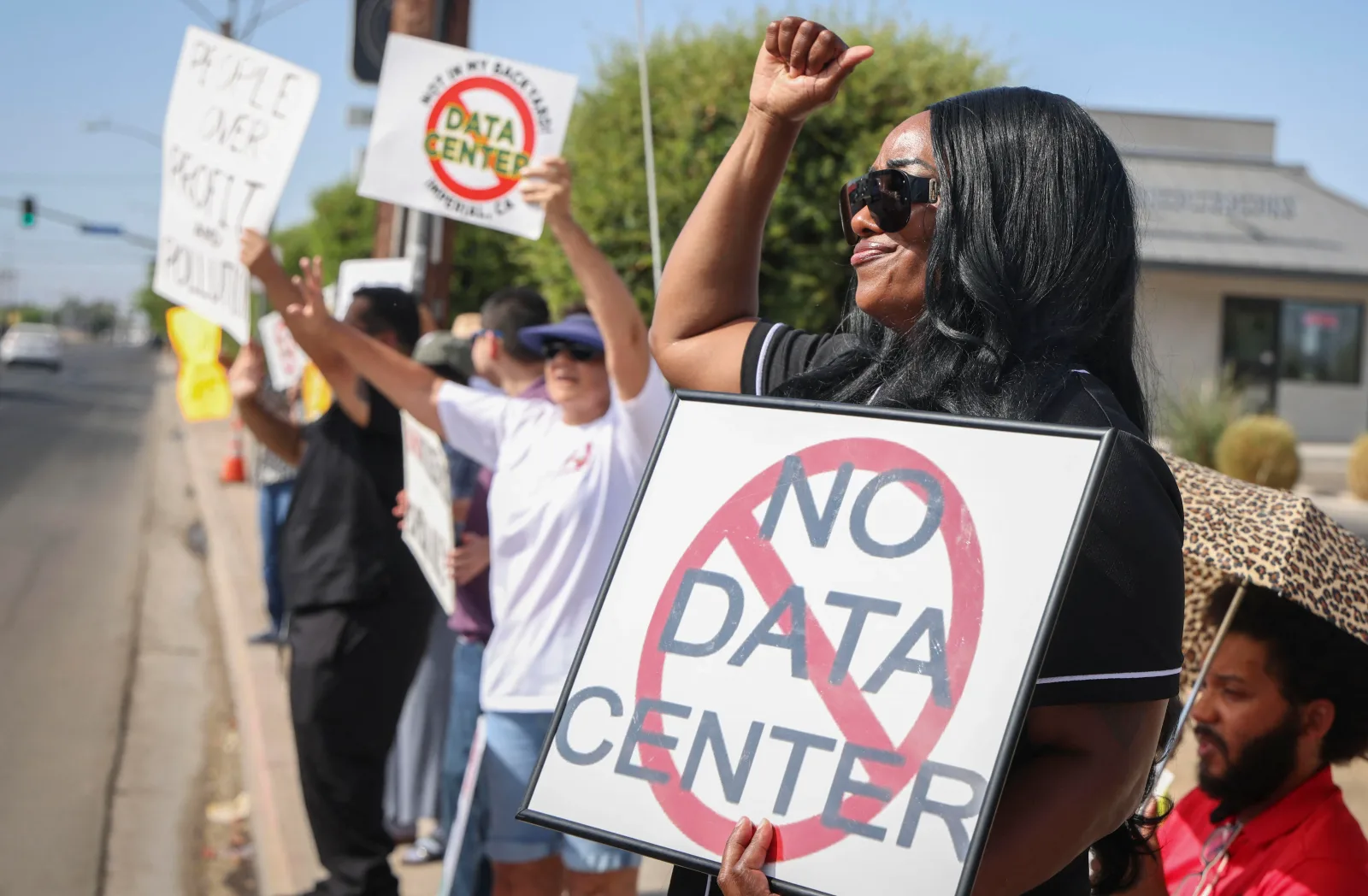
California just drew a hard line on who pays when AI companies need more power and water. Governor Gavin Newsom signed a seven-bill package that stops data centers from quietly passing their massive infrastructure costs onto everyday utility customers, according to the Los Angeles Times.
The heart of the legislation is a new utility rate classification specifically for data centers. That means they'll pay separately for the grid upgrades and water system expansions their facilities require, instead of those costs getting absorbed into general rate increases that hit households and small businesses. It's a direct response to the explosive growth in AI compute, which has turned data centers into some of the most resource-hungry operations on the planet.
The transparency requirements matter just as much as the billing structure. Proposed data centers now have to disclose estimated water consumption to local governments upfront, along with energy efficiency plans and drought contingency strategies. California isn't just asking nicely, it's mandating that these facilities prove they can operate without wrecking local resources before they break ground.
This is California setting the template for how states handle AI infrastructure. The logic is simple: if your business model requires building what amounts to a small city's worth of power and water demand, you fund the infrastructure to support it. Expect other states facing data center booms to adopt similar frameworks, especially as concerns about grid stability and water scarcity intensify.
For AI companies, this changes the economics of where to build. Regions with loose regulations might look cheaper on paper, but California's approach could actually provide more certainty. Clear rules about who pays what beat surprise rate hikes or community opposition that stalls projects for years.
What this means for you: if you're evaluating cloud AI services or choosing where to deploy models, infrastructure costs are about to become more transparent and potentially more expensive in regulated markets. That could shift pricing or availability. If you're building something that needs serious compute, now's the time to ask your provider how they're planning for these regulatory shifts. Try this prompt with your AI assistant: "Help me compare the total cost of ownership for running [specific model or workload] across three major cloud providers, factoring in potential regional infrastructure surcharges and water/energy availability risks over the next two years."
Reporting basis: original story
← back to The Wire