the wire · #ai · 2026-09-21
iPhone owners can now submit claims in Apple’s $250 million Siri AI settlement
Cech Tech Reviews
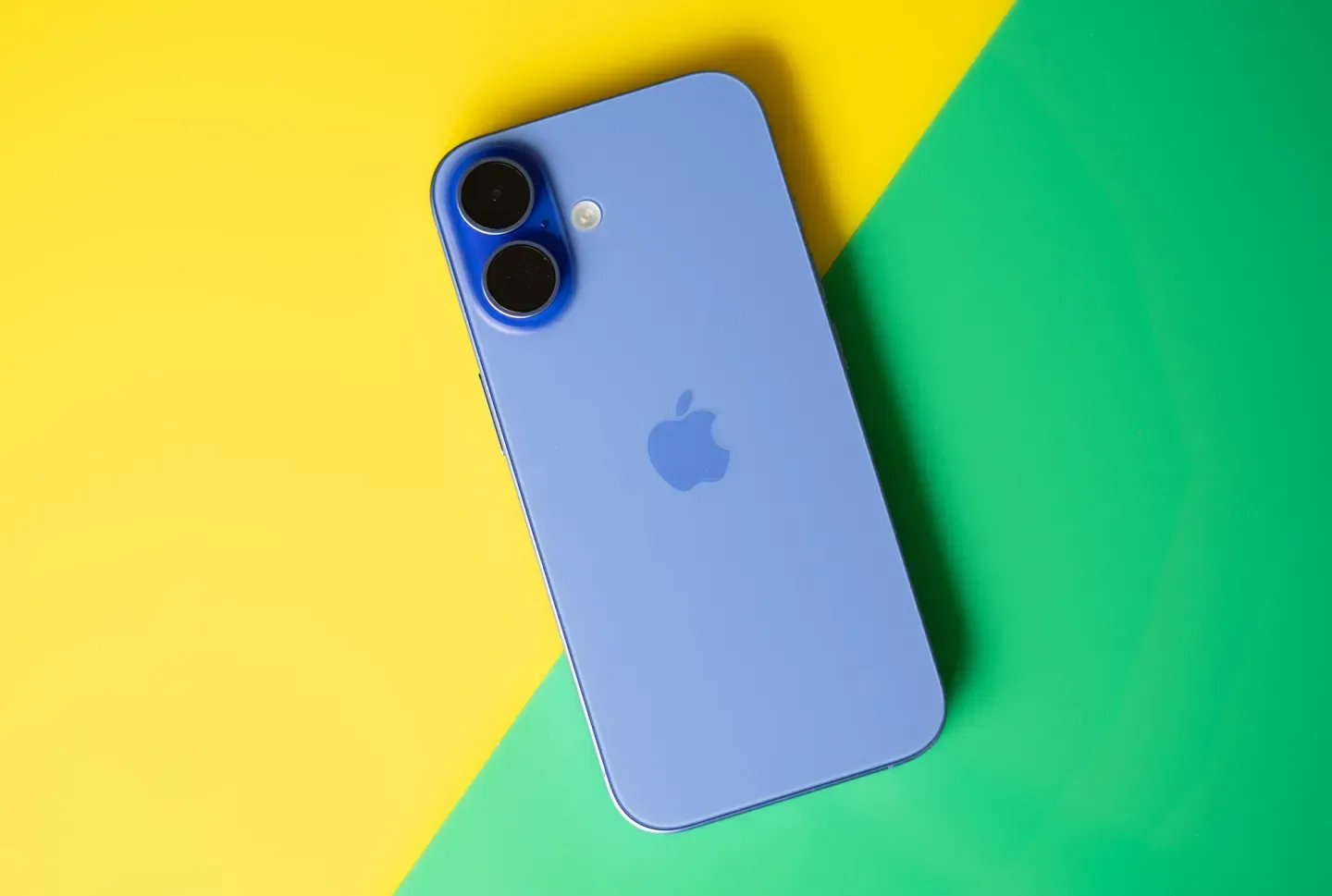
Apple has officially opened the claims process for its $250 million settlement regarding Siri. This legal resolution addresses allegations that the tech giant failed to deliver on its promises of an AI-upgraded Siri experience. According to reporting by The Verge, eligible iPhone owners can now submit their claims to receive a portion of this settlement fund. This move marks a significant step in holding major tech companies accountable for the gap between marketing hype and actual product functionality.
The eligibility window is quite specific and recent. If you purchased an iPhone 15 Pro, iPhone 15 Pro Max, or any iPhone 16 model between June 10th, 2024, and March 29th, 2025, you likely qualify. This timeframe captures the initial rollout period of Apple Intelligence features. It suggests that the legal claims were rooted in the immediate post-launch experience rather than long-term performance issues. The precision of these dates indicates a targeted legal strategy focused on the most recent hardware cycles.
Payout amounts are estimated at $25 per eligible device. However, the settlement website notes that this figure could rise to $95 depending on the total number of claims filed. This variable structure is common in class action settlements. It means your final payout depends on collective participation. If fewer people claim their money, the remaining funds are distributed among fewer recipients. This creates an incentive for eligible users to act quickly and verify their status.
To file a claim, you will need to provide your name, contact information, and the serial number of your iPhone. The process is entirely digital and managed through the settlement's official website. This streamlined approach reduces administrative overhead for Apple. It also ensures that only verified device owners receive compensation. The requirement for a serial number adds a layer of security against fraudulent claims.
This settlement reflects a broader trend in the AI industry. As companies rush to integrate generative AI into consumer products, the pressure to deliver on ambitious promises is intensifying. Legal frameworks are beginning to catch up with these rapid technological advancements. Consumers are increasingly aware of the potential for overpromising and underdelivering. This case sets a precedent for how AI feature gaps might be handled in the future.
The financial impact on Apple is significant but manageable. A $250 million settlement is a fraction of their annual revenue. However, the reputational risk is higher. It signals to the market that AI claims are not just marketing fluff. They are binding commitments that can have legal consequences. This could influence how other tech companies approach their AI product launches and marketing strategies.
For AI enthusiasts and professionals, this news underscores the importance of due diligence. When evaluating AI tools or products, look beyond the hype. Consider the track record of the company and the realistic timeline for feature delivery. The legal landscape is shifting. Companies that fail to meet their AI promises may face not just customer dissatisfaction but also legal liability.
What this means for you: If you own a qualifying iPhone, take a moment to check your eligibility. It is a straightforward process that could result in a small financial gain. More importantly, use this as a case study in your own work. When integrating AI into your projects, ensure your promises are realistic. Set clear expectations for stakeholders and users. Here is a prompt you can use to audit your own AI project claims: "Review my current AI product roadmap and marketing materials. Identify any features that are promised but not yet fully delivered or stable. Suggest alternative messaging that sets realistic expectations while maintaining excitement for the final release."
Reporting basis: original story
← back to The Wire