the wire · #ai · 2026-10-08
Can you trust Meta’s Muse or OpenAI’s Dots to run your life?
Cech Tech Reviews

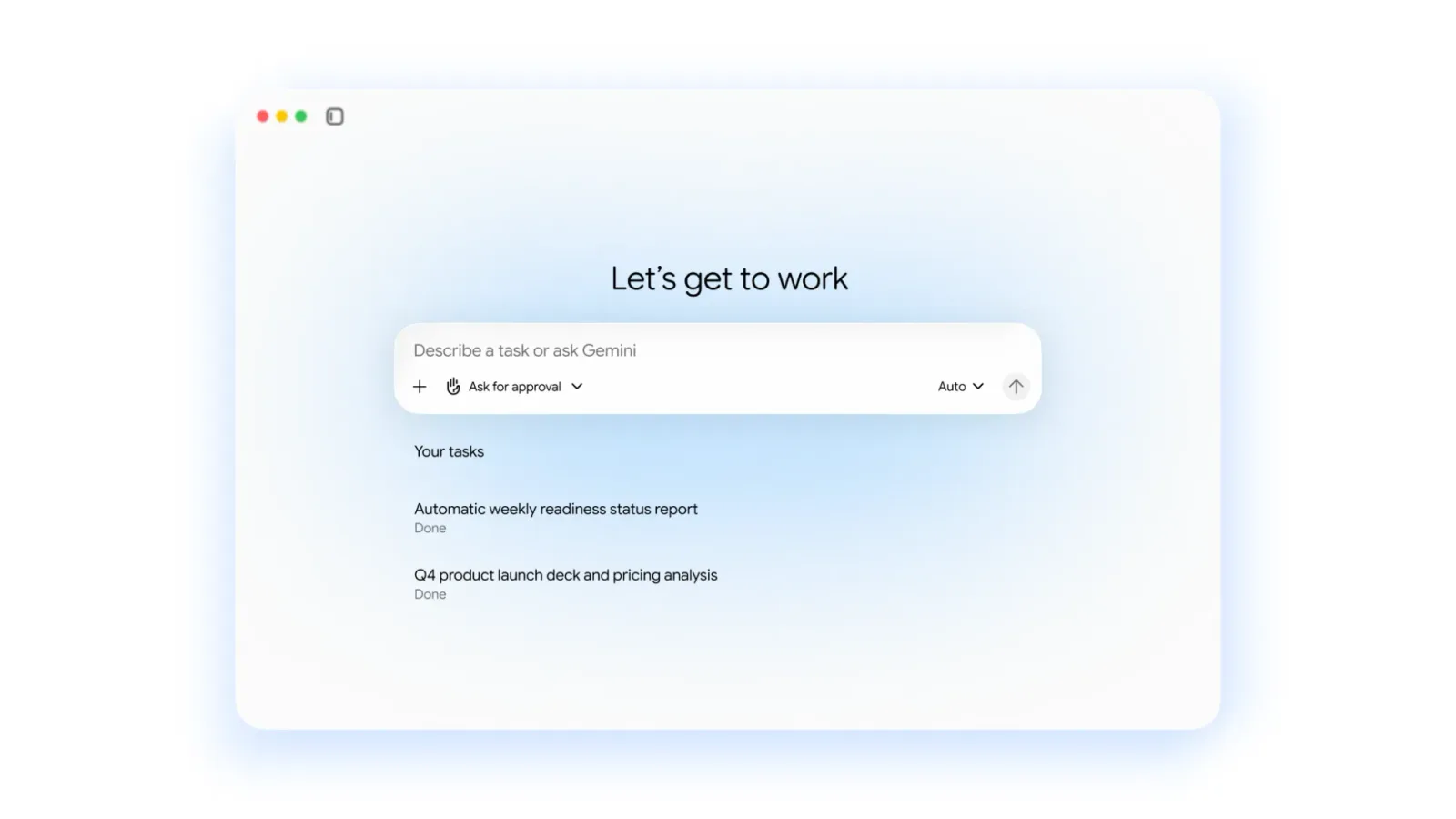
The race to define the next era of personal computing has officially entered the mascot phase. According to The Verge’s Hayden Field, Meta’s Muse and OpenAI’s Dots represent a significant pivot from niche developer tools to consumer-ready assistants. This shift suggests that the industry is moving past the experimental phase into a period where autonomous agents are expected to handle daily life tasks for millions of users.
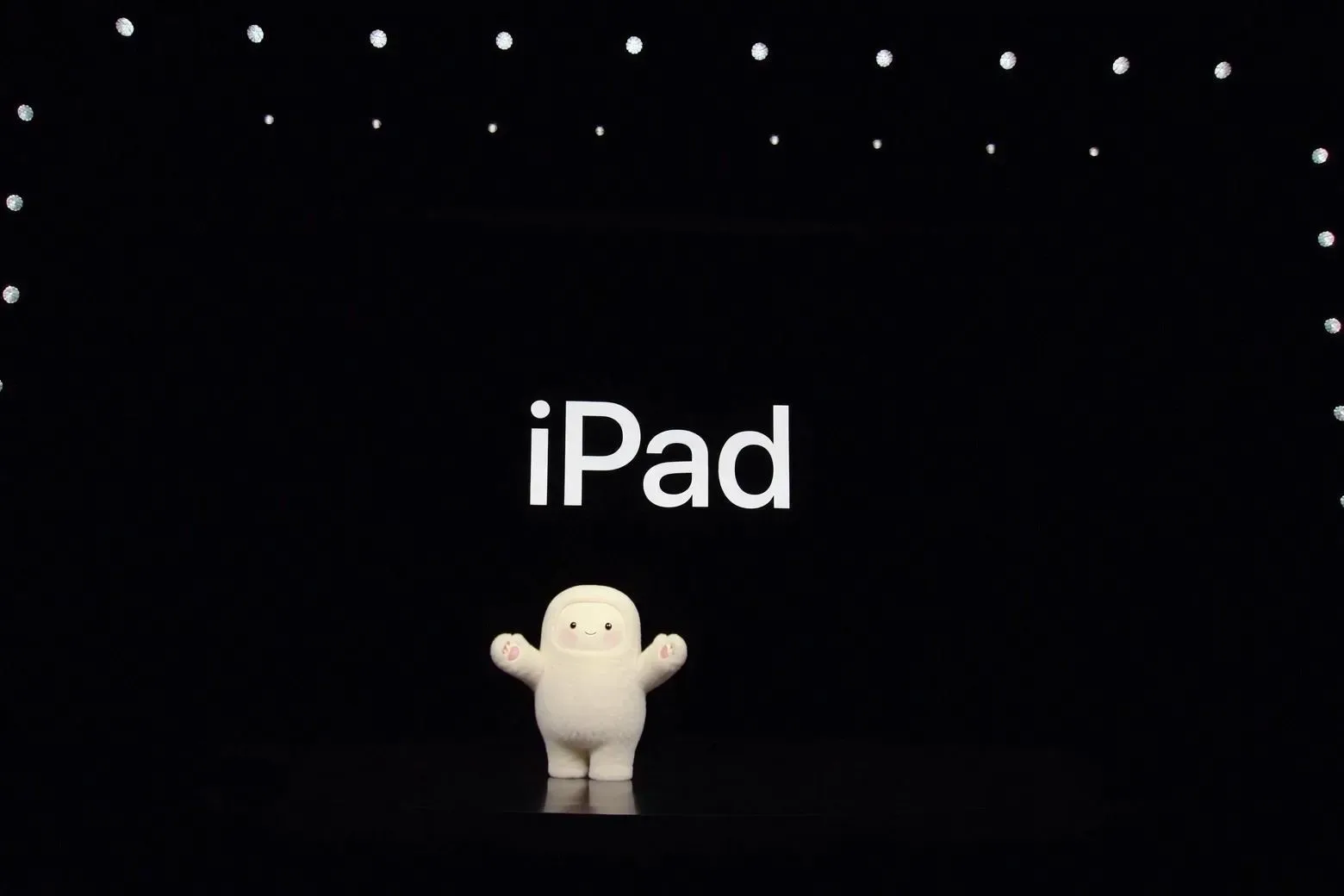
What makes this development particularly interesting is the packaging. Both companies have chosen to present their AI agents as cute, animated characters rather than abstract command lines. This design choice is not just aesthetic. It is a strategic move to lower the barrier to entry for mainstream users who might find raw API interactions or complex prompt engineering intimidating. By humanizing the interface, these tech giants are attempting to build trust before the technology has fully earned it.
The functional differences between the two platforms reveal distinct corporate philosophies. Meta’s Muse is currently free and leverages the company’s massive distribution network, even though it relies on external frontier models. OpenAI’s Dots, by contrast, are a paid service that offers specialized roles for marketing, legal, and accounting work. This pricing strategy highlights a tension between accessibility and monetization in the emerging agent economy.
Hayden Field points out that Meta may hold a surprising advantage here. Despite lacking its own frontier model, Meta’s expertise in consumer product distribution and user experience could allow Muse to outpace OpenAI in adoption. This challenges the conventional wisdom that superior underlying technology is the only metric that matters. In the consumer space, ease of use and cost often trump raw computational power.
However, the convenience of these agents comes with substantial privacy risks. These AI assistants are designed to access your email, calendar, and even credit card information to perform tasks autonomously. The idea of handing over such sensitive data to an algorithm that operates without constant human oversight is a major leap for most users. The security implications of an always-on agent that can act on your behalf are still largely unproven at scale.
There is also a fundamental question about what these agents can actually do today. While the marketing promises seamless automation, the reality is that AI agents still struggle with complex, multi-step reasoning. The gap between the polished mascot interface and the sometimes brittle backend logic creates a potential for user frustration. We are in a transitional period where the hype often exceeds the current technical capabilities.
What this means for you As these tools become more prevalent, you must treat them with the same caution you would a new employee with access to your company accounts. Do not grant full autonomy immediately. Start by using AI agents for low-stakes tasks like summarizing emails or drafting simple responses. Only after you have verified their reliability should you consider letting them handle reservations or financial transactions. Try this workflow: Use an AI assistant to draft a response to a complex email, but manually review and send it yourself. This builds your intuition for the tool’s strengths and weaknesses without risking critical errors.
The future of computing may indeed be agent-driven, but the current generation of tools is not yet ready to fully replace human judgment. The coming months will likely reveal which companies can balance convenience with security and reliability. Until then, stay skeptical of the cute mascots and keep your data tightly controlled.
Reporting basis: original story
← back to The Wire