the wire · #ai · 2026-10-06
We can’t just change the definition of ‘recording’
Cech Tech Reviews

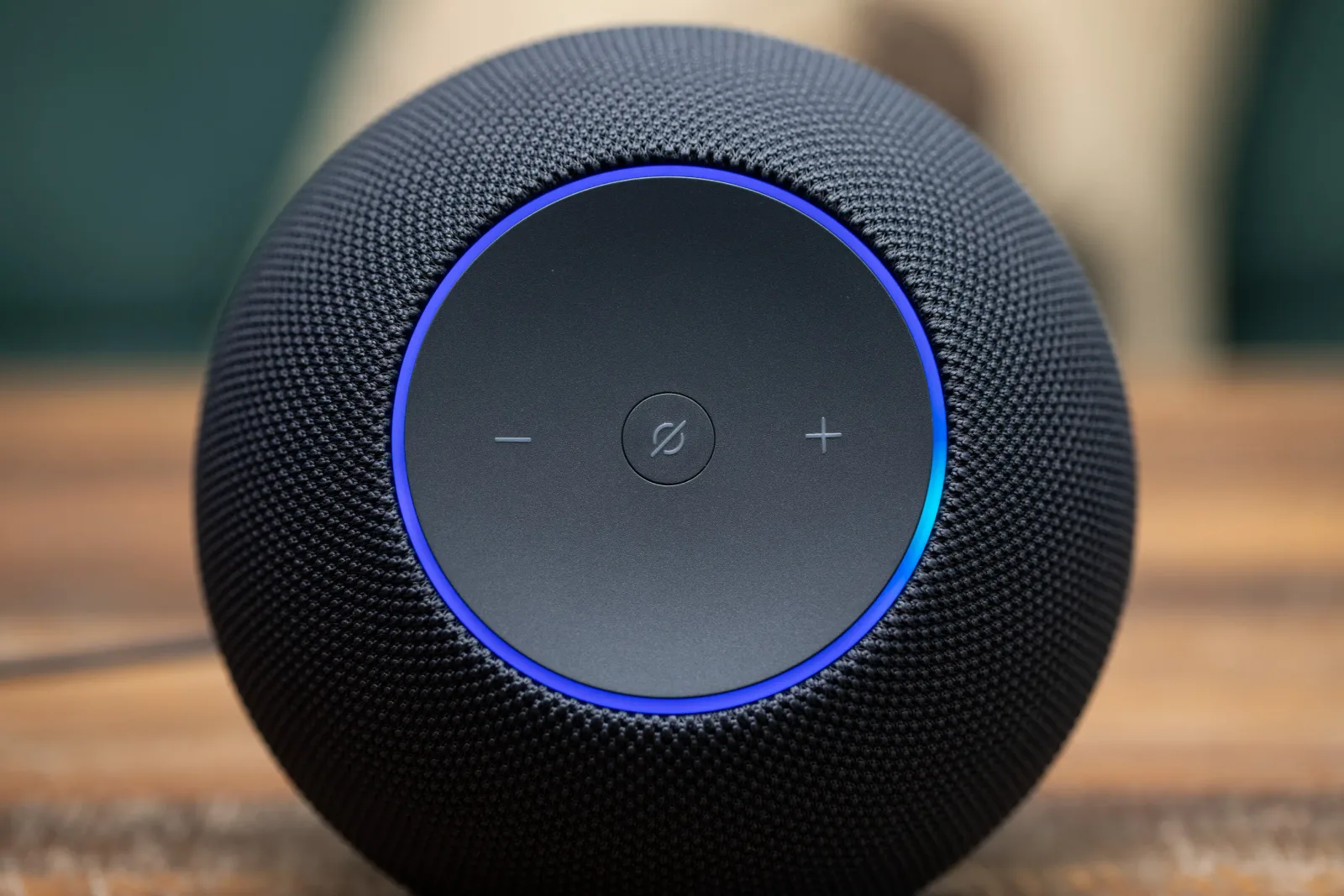
Apple is reportedly working on smart home devices that listen and watch constantly but claim they're not recording you, according to Bloomberg. The trick is processing everything locally and ephemerally, analyzing audio and video in real time without saving traditional files. It's a clever technical workaround, but it raises a bigger question: does changing how we store data really change what we're doing with it?
This isn't just an Apple thing. Meta's Ray-Ban smart glasses and other AI wearables are already blurring the line between always-on sensing and traditional recording. The industry argument goes like this: if the data never leaves the device, never gets stored as a file, and gets discarded after processing, it's not really a recording. It's just ambient intelligence.
But that's a semantic dodge that ignores the actual privacy concern. Whether your voice is saved as an MP3 or parsed into tokens and discarded, the device still heard you. The camera still saw you. The analysis still happened. From a user perspective, the difference between a saved recording and real-time processing is mostly academic.
The practical impact is that privacy laws and social norms built around recording consent may not cover these new devices. You can't ask someone to stop recording if technically they're not recording at all. Workplaces, schools, and public spaces will need new frameworks for always-on AI that doesn't fit the old recording model.
Tech companies are betting that local, ephemeral processing will feel less invasive and face fewer regulatory hurdles. They might be right about the first part. But the second part is still being decided by regulators who are just starting to understand that AI doesn't need to save your data to use it.
The shift also reflects a broader industry move toward edge AI, where processing happens on-device instead of in the cloud. That's genuinely better for privacy in some ways, faster and more secure. But it also makes oversight harder because there's no server log to audit, no cloud storage to subpoena.
What this means for you: if you're building AI tools or workflows, think carefully about how you describe data handling to users. Saying 'we don't record you' when you're constantly processing input may be technically true but functionally misleading. Try this prompt with your AI assistant: 'Help me write a transparent data use policy that explains real-time processing vs. storage in plain language a non-technical user would understand.' Clarity builds trust, and trust is the real product when you're asking people to live with always-on AI.
Reporting basis: original story
← back to The Wire