the wire · #ai · 2026-07-09
Character.AI wants a piece of the microdrama pie
Cech Tech Reviews
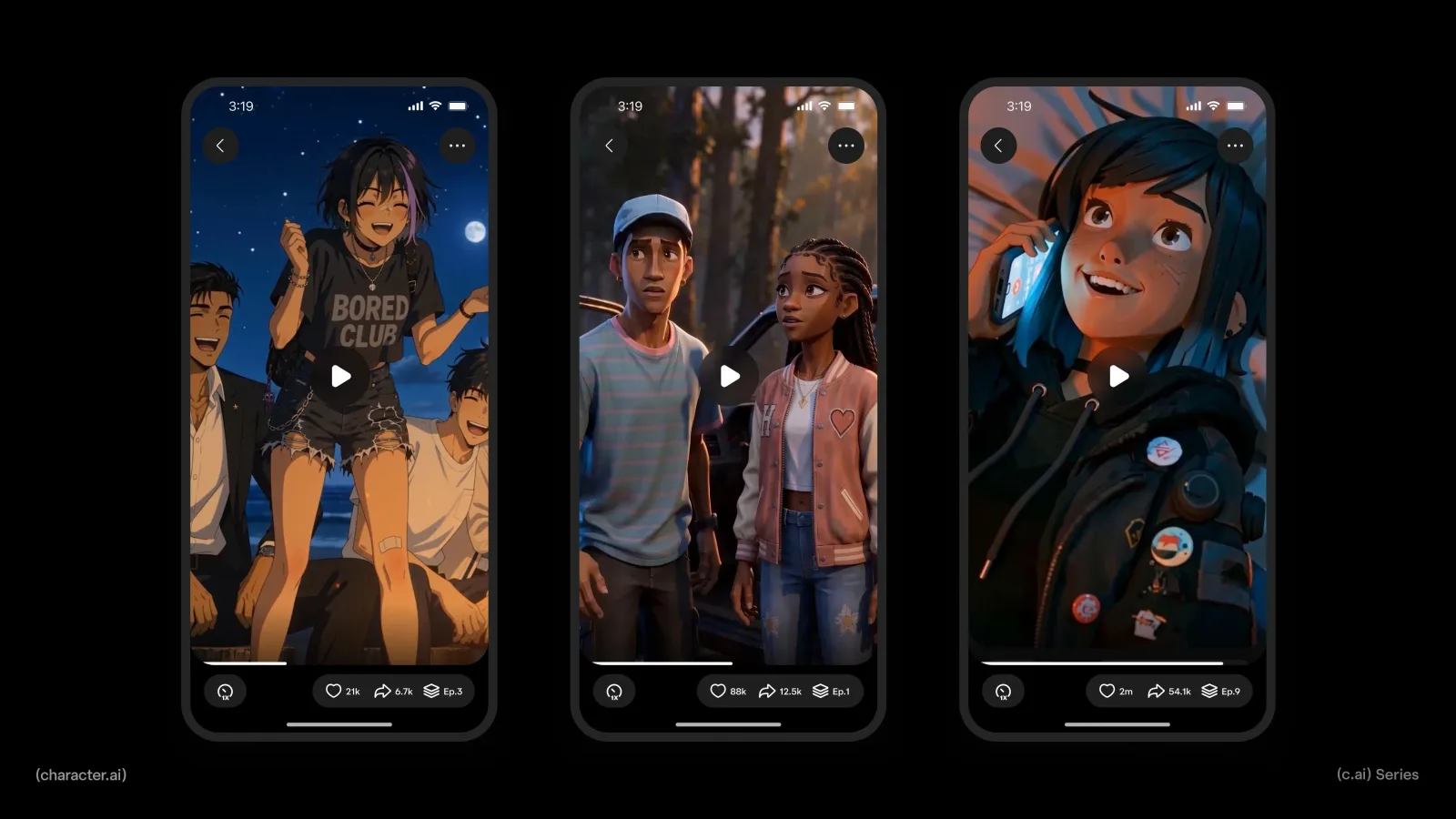
Character.AI is making a bold pivot that goes far beyond its roots as a simple LLM-powered chatbot platform. According to The Verge, the company has officially announced the debut of c.ai Series, a new format for short-form, episodic videos designed specifically for mobile viewing. This is not just a minor feature update but a strategic expansion into a completely new media category that blends storytelling with interactive technology.
The content itself is quite distinct from what you might find on traditional streaming services. Unlike the cheaply produced live-action shows that currently dominate the microdrama space, c.ai Series are animated and almost entirely created using generative AI. This approach allows for a level of visual consistency and rapid production that human-led teams struggle to match, especially when dealing with the high volume of episodic content required for this format.
This strategic move into microdramas is hardly surprising given the explosive growth of the sector. The industry is projected to become a twenty-six-billion-dollar market in the coming years, representing a massive opportunity for tech companies willing to innovate. Character.AI is clearly positioning itself to capture a significant share of this pie by leveraging its core strengths in natural language processing and character simulation.
What makes this particularly interesting is the interactive element. These are not passive videos but experiences designed to be watched and interacted with on your phone. This aligns perfectly with Character.AI's existing ecosystem, where users are already accustomed to engaging deeply with AI personalities. By adding a visual and narrative layer, they are creating a more immersive environment that keeps users engaged for longer periods.
The implications for the broader AI industry are significant. We are seeing a transition from AI as a tool for productivity to AI as a medium for entertainment and creative expression. This shift suggests that the future of content creation may rely less on traditional production pipelines and more on generative models that can produce coherent, engaging narratives at scale. It challenges the notion that human actors and directors are indispensable for high-quality storytelling.
For creators and entrepreneurs, this opens up new avenues for experimentation. The barrier to entry for producing animated series is lowering dramatically, allowing for more diverse and niche stories to reach audiences. However, it also raises questions about copyright, originality, and the role of human creativity in an AI-generated world. The industry will need to navigate these ethical and legal landscapes carefully as the technology matures.
What this means for you is that the way we consume and interact with digital stories is about to change. If you are using AI tools in your work, consider how interactive narrative structures could enhance your projects. You might try prompting an AI assistant to help you outline an interactive story where the user makes choices that affect the outcome. Use a prompt like this to start: "Create a branching narrative outline for a short mystery story where the user plays the detective, with three key decision points that lead to different endings."
The launch of c.ai Series marks a pivotal moment in the evolution of AI-driven media. It demonstrates that the technology is ready to move beyond text and into complex, multi-sensory experiences. As these tools become more sophisticated, we can expect to see even more innovative forms of entertainment emerge. The line between playing a game and watching a show is blurring, and Character.AI is leading the charge in this new frontier.
Reporting basis: original story
← back to The Wire