the wire · #ai · 2026-07-20
China delivers a one-two punch to America’s AI dominance
Cech Tech Reviews
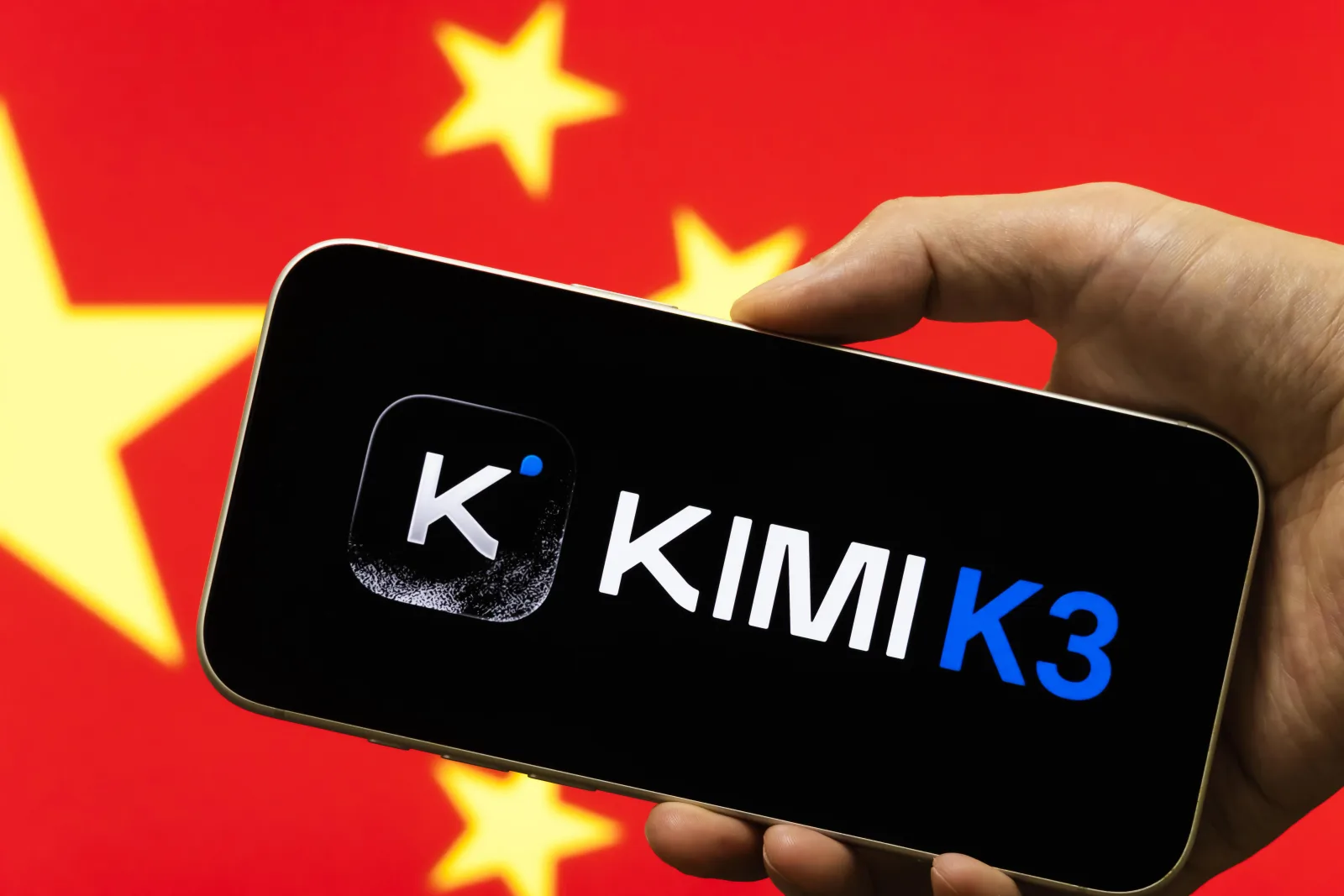
The narrative of American invincibility in artificial intelligence is facing its most serious challenge yet. According to reporting by The Verge, Chinese tech giants Moonshot AI and Alibaba are launching models that claim to rival the best systems from OpenAI and Anthropic. The twist is not just performance but price. They are doing it at a fraction of the cost that Silicon Valley charges.
This is not a slow crawl toward parity. It is a rapid-fire release strategy that suggests the gap is closing much faster than many Western analysts predicted. Moonshot AI kicked off this offensive with the unveiling of Kimi K3. Their internal testing claims this model consistently outperforms nearly every US system on the market.
The only exception they acknowledge is OpenAI. This admission is significant because it places Chinese developers in the same conversation as the global leaders. It moves the discourse from catching up to competing directly at the frontier. The pressure on US firms to maintain their premium pricing and performance edge is now immediate.
Alibaba’s involvement adds another layer of complexity to this geopolitical tech battle. When major cloud providers and model developers align on aggressive timelines, it signals a coordinated national effort. This is no longer just about corporate profit. It is about national security and economic sovereignty in an era where AI is central to power.
The implications for the global market are profound. If Chinese models can deliver comparable reasoning and coding capabilities at lower costs, the barrier to entry for AI adoption drops worldwide. This could accelerate AI integration in emerging markets that have been priced out of the US ecosystem. It forces a reevaluation of the US lead as a permanent state rather than a temporary advantage.
For entrepreneurs and developers, this competition is a double-edged sword. On one hand, it drives innovation and lowers costs. On the other hand, it introduces new dependencies and geopolitical risks. You must now consider not just which model is best, but which ecosystem aligns with your long-term strategic goals and data privacy requirements.
What this means for you is that the era of paying a premium for US-only AI tools is ending. You should start evaluating multi-model strategies that leverage cost-effective alternatives for routine tasks. Try this workflow: use a high-cost US model for complex creative reasoning, then switch to a cost-effective Chinese model for data processing and coding assistance. This hybrid approach maximizes both quality and budget efficiency in your daily operations.
Reporting basis: original story
← back to The Wire