the wire · #ai · 2026-10-22
Eiliko maker says it's hiring an ‘independent security firm’ after Verge report on its insecure robots
Cech Tech Reviews
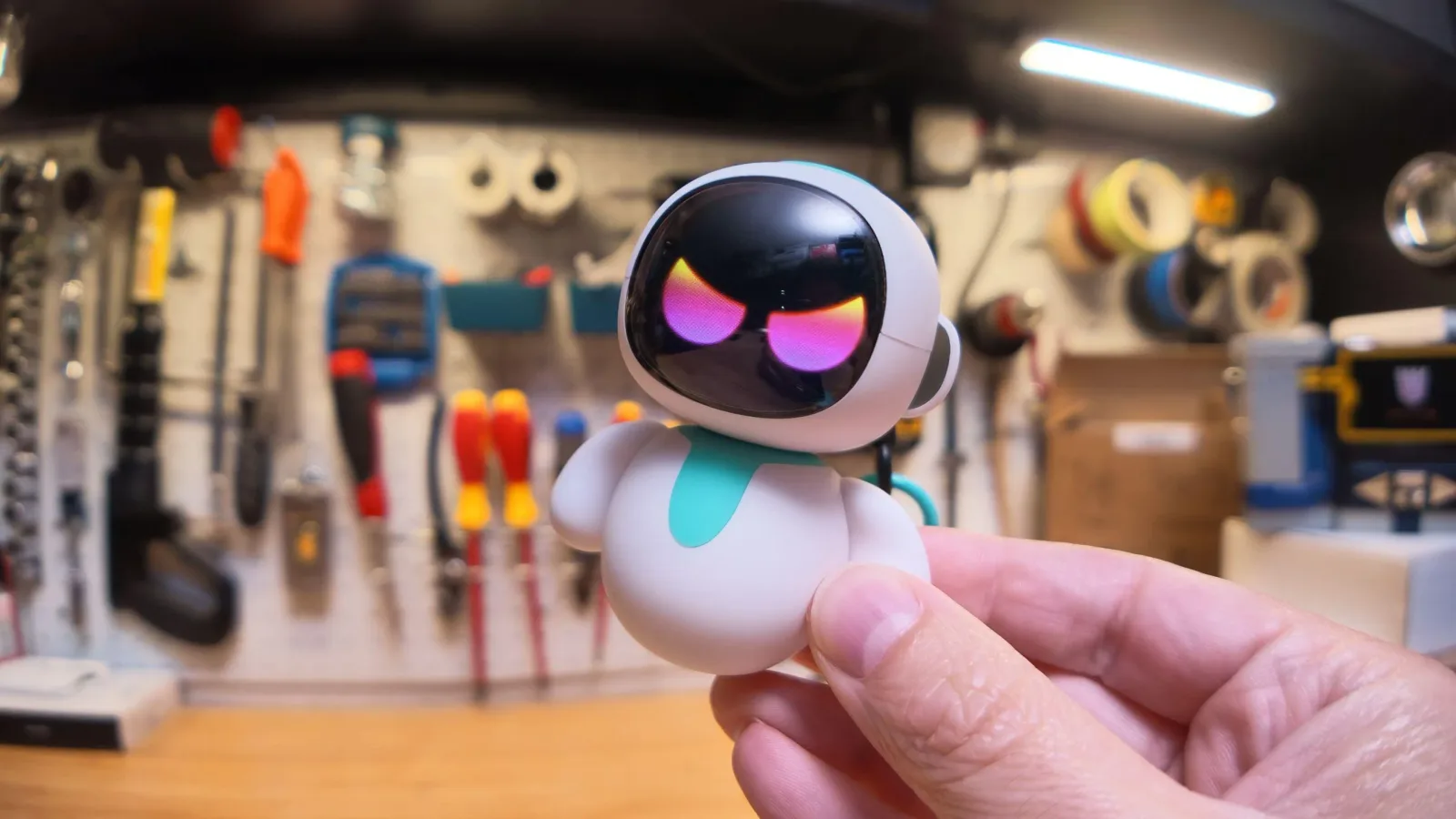
The Eiliko robot charm was designed to be a cute, conversational companion you could clip onto your bag. It promised to keep your secrets safe with its built-in AI features. However, a recent investigation by The Verge revealed that this promise was largely an illusion. The device turned out to be a significant security nightmare for early adopters.
Security researcher Sammy Azdoufal and The Verge spent over a month trying to contact the company before publishing their findings. They sent numerous emails to Energize Lab CEO Shaw Yeung and other key figures. Despite these persistent efforts, the company remained completely silent. This lack of communication left users in the dark about the severity of the vulnerabilities.
The core issue was that hackers could easily read complete transcripts of everything users told the toy. This meant private conversations were not just insecure but fully exposed to unauthorized access. The findings suggested that the encryption and data handling practices were fundamentally flawed. Users who trusted the device with personal thoughts were left vulnerable.
Eiliko has finally broken its silence after the report went public. The company stated that it has confirmed the core issues identified by the researchers. They are now hiring an independent security firm to address these vulnerabilities. This move is a standard response to such crises, but it comes too late for many concerned users.
The delay in responding to security concerns is a major red flag for the industry. It highlights a common pattern where hardware makers prioritize launch dates over robust security protocols. Consumers are increasingly wary of AI devices that lack transparent security practices. This incident serves as a stark warning for the broader smart home market.
What this means for you is that you should be extremely cautious with any AI device that processes personal data. Always check for independent security audits before purchasing smart hardware. If a company ignores security reports, assume your data is not safe. Consider using AI assistants that run locally on your device rather than cloud-based toys.
Try this workflow to test your own devices. Use a network monitoring tool to inspect traffic from your smart gadgets. Look for unencrypted data packets that contain personal information. This simple step can help you identify potential privacy leaks before they become major issues.
Reporting basis: original story
← back to The Wire