the wire · #topnews · 2026-08-11
Elon Musk, Sam Altman, and the Misreading of Science Fiction
Cech Tech Reviews
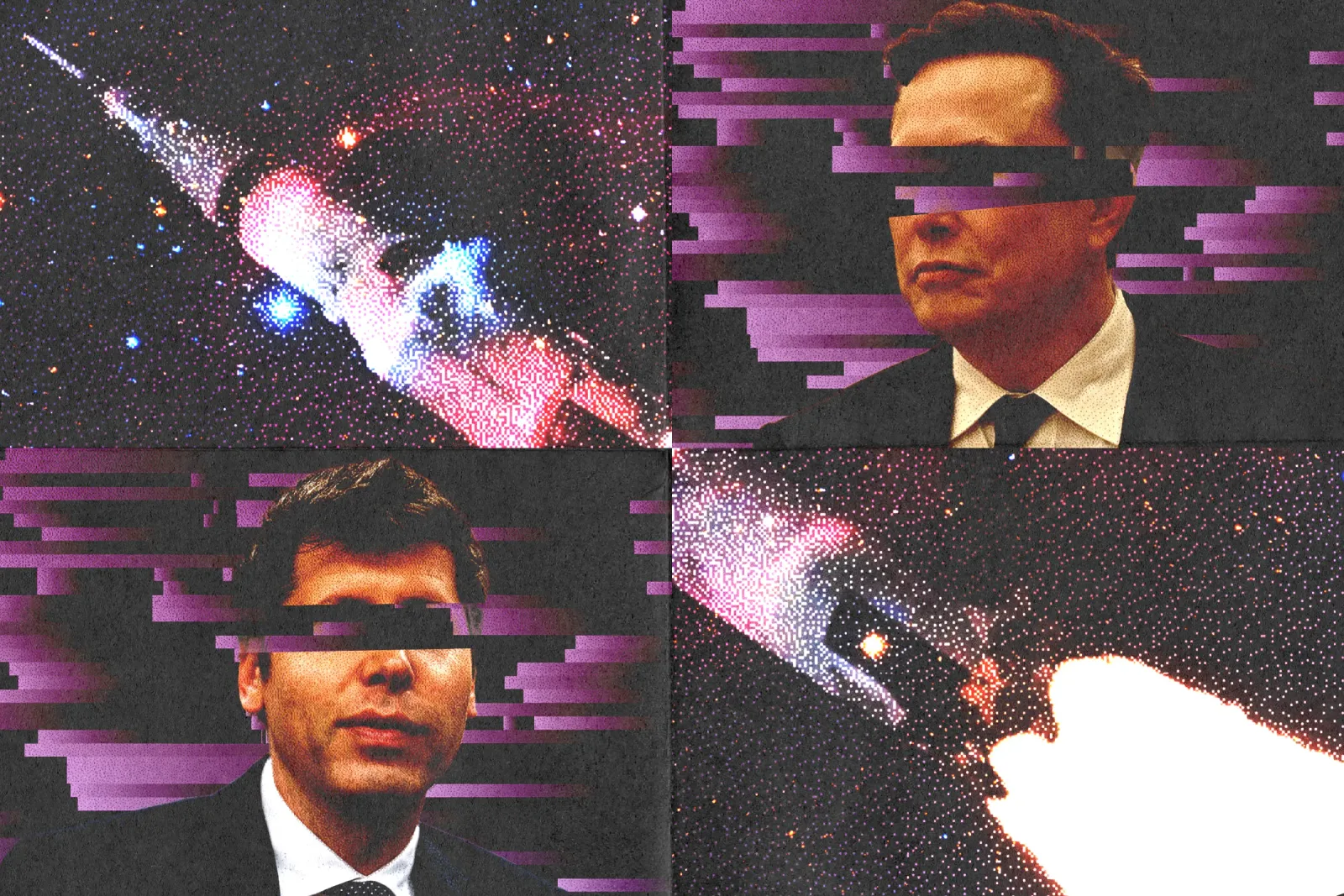
The recent discourse surrounding Elon Musk and Sam Altman has highlighted a recurring pattern in Silicon Valley. Leaders in tech frequently draw inspiration from classic science fiction to shape their visions of the future. However, a closer look suggests they are often misinterpreting the very texts that guide their ambitions. This is not just a literary critique but a warning about the products we are building today.
Take the case of The Odyssey. Musk has referenced this epic poem to frame his views on AI and existential risk. He sees a world where humanity must navigate dangerous seas of technology. Yet, this reading overlooks the deeper themes of homecoming and identity that define the original work. It reduces a complex human journey to a simple survival narrative. This simplification mirrors how many tech leaders view user experience as merely functional rather than emotional.
Similarly, Sam Altman’s references to Isaac Asimov’s Foundation series reveal another layer of misunderstanding. The series explores how psychohistory can predict large scale social trends. Tech executives often interpret this as a license to optimize society through data. They assume that enough data can predict human behavior with certainty. This ignores the chaotic, irrational, and creative aspects of human nature that Asimov himself questioned.
The Hitchhiker’s Guide to the Galaxy offers yet another example. Its absurdity and humor are often lost on those seeking serious technological solutions. When leaders treat these works as technical manuals rather than philosophical critiques, they miss the point. The books warn against the dangers of rigid systems and blind faith in technology. Ignoring these warnings leads to products that are efficient but soulless.
This misreading has real consequences for the AI industry. When builders focus only on the surface level of these stories, they create tools that lack empathy. They build systems that optimize for metrics rather than meaning. The result is a technological landscape that feels increasingly alienating to the average user. We are building a future that is logically sound but humanly hollow.
The broader implication is a need for more diverse cultural literacy in tech. Engineers and executives should engage with literature that challenges their assumptions. They need stories that emphasize complexity, ambiguity, and the human condition. This shift would lead to more robust and ethical AI development. It would ensure that technology serves humanity rather than just optimizing it.
What this means for you is that you must be critical of the narratives driving the tools you use. Do not accept the premise that efficiency is the only goal. When using AI assistants, remember that they are built on these simplified models of human behavior. Challenge them to provide nuanced, empathetic, and creative responses. Try this prompt to test the depth of your AI tool: Ask it to analyze a complex ethical dilemma from multiple cultural perspectives, not just a single logical framework. This forces the model to move beyond simplistic optimization and engage with the messy reality of human decision making.
Reporting basis: original story
← back to The Wire