the wire · #gadgets · 2026-07-02
Explore every iPad ever released in this interactive timeline
Cech Tech Reviews
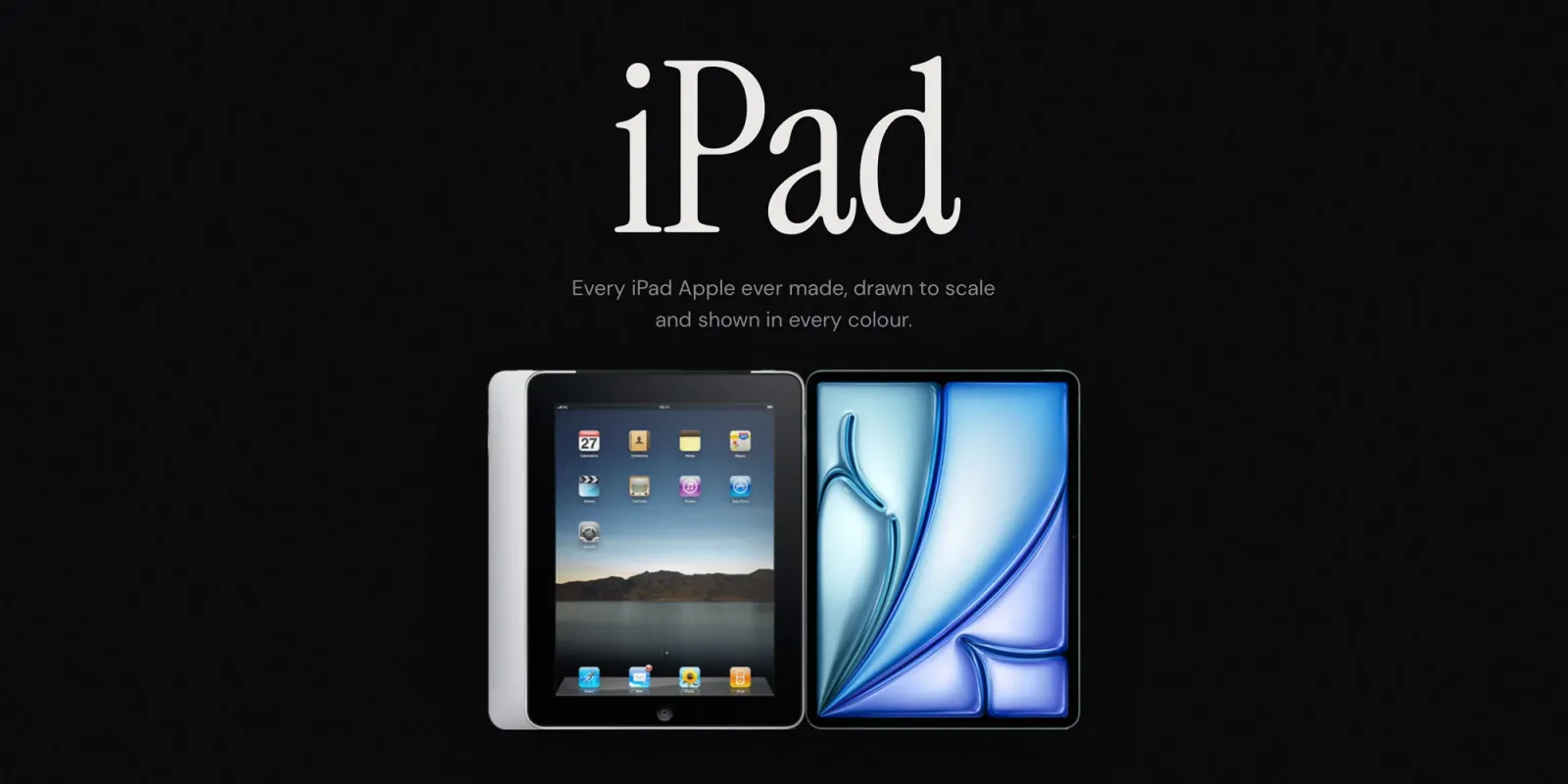
Sheets.works has returned with another impressive data visualization project, this time focusing on the complete history of the iPad. Following their popular timeline of every iPhone model, they have now mapped out the entire lineage of Apple's tablet devices from the original launch in 2010 to the present day. This interactive tool offers a comprehensive look at how the hardware has shifted in size, weight, and processing power over the last fourteen years.
The timeline serves as a fascinating case study in product iteration. You can see the gradual thinning of the chassis and the steady increase in screen real estate. It is not just about the numbers. The visual progression shows how Apple balanced portability with performance, moving from a niche accessory to a central computing device for millions of users.
For AI enthusiasts, this hardware evolution is directly relevant to the current landscape of on-device processing. The early iPads lacked the neural engine capabilities that define modern AI workflows. Today's M-series chips in the iPad Pro are powerful enough to run large language models locally. This timeline helps contextualize how far we have come in terms of edge computing power within a portable form factor.
The data also reveals interesting trends in market segmentation. You can clearly see the introduction of the iPad Air and iPad Mini lines, which carved out specific niches for different user bases. This strategic diversification allowed Apple to capture a wider share of the tablet market. It shows a clear understanding of consumer needs beyond just the flagship Pro models.
Entrepreneurs and developers should pay close attention to the performance jumps highlighted in this timeline. The leap from the A-series to the M-series chips marked a turning point for professional applications. It enabled complex tasks like video editing and 3D rendering to run smoothly on a tablet. This shift has opened up new possibilities for mobile-first software solutions that were previously impossible.
The interactive nature of the timeline allows users to filter by specific criteria. This makes it easy to compare specifications side by side. You can quickly identify which models offered the best value or the most significant technological breakthroughs. It is a useful resource for anyone looking to understand the historical context of current device recommendations.
What this means for you: Use this timeline to justify upgrading your hardware for AI tasks. If you are running local models, check the neural engine specs of your current device against the newer M-series chips. You might find that a simple upgrade unlocks significant performance gains. Try this prompt with your AI assistant to analyze your current workflow: "Based on the hardware specs of my current iPad model, what are the top three AI tasks I can perform locally that would benefit from an M-series chip upgrade?"
Reporting basis: original story
← back to The Wire