the wire · #topnews · 2026-07-21
F1 in Belgium: Machine learning algorithms are ruining the sport
Cech Tech Reviews
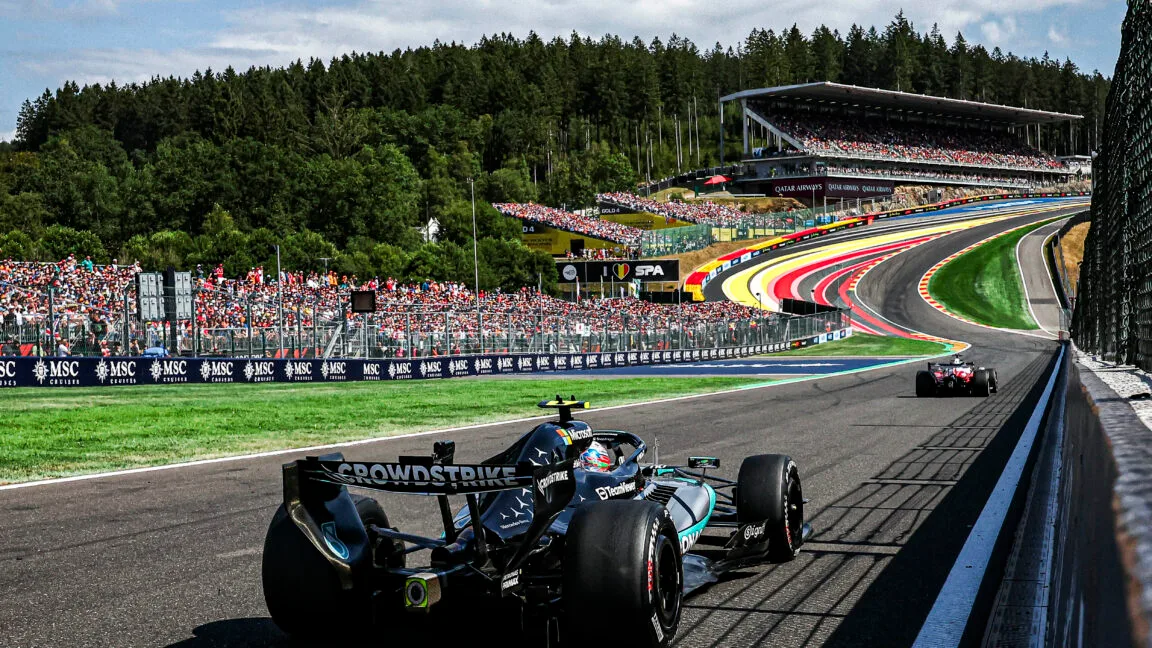
Formula 1 recently returned to the legendary Spa-Francorchamps circuit for the Belgian Grand Prix, but the atmosphere was far from celebratory. According to reporting on the event, the current machinery feels utterly ill-suited for this dramatic venue. The sport's historic track, which has hosted races since 1922, is known for its high speeds and flowing corners. Yet this weekend highlighted a growing disconnect between the cars and the circuits they race on.
The core issue lies in the new hybrid power units and the aggressive energy management strategies driven by machine learning algorithms. These systems are designed to maximize efficiency and meet strict sustainability targets. However, the result is a car that lacks power for much of the lap. Drivers are essentially managing a battery rather than pushing a vehicle to its limits. This has led to a situation where the cars are significantly slower than they used to be.
The problem is not isolated to Belgium. We saw similar issues at the Suzuka circuit in Japan earlier this year. Reports indicate that the 2026 F1 battery can only power the electric motor for a few seconds per lap. For the rest of the time, the energy-starved cars have less power going to the rear wheels than cars in the F2 feeder series. This is a stark admission that the top tier of motorsport is currently outpaced by its junior category in terms of raw performance.
Spa is widely considered the greatest race track in the world. It demands a balance of speed, skill, and bravery. The circuit features long straights followed by tight, technical sections that require immediate power delivery. The current F1 cars struggle to meet these demands. The reliance on energy recovery systems means drivers cannot use full power when it matters most. This has turned what should be a test of driver skill into a test of battery management.
The introduction of machine learning to optimize energy usage has backfired in terms of entertainment. These algorithms are designed to extract every possible joule of energy from the car. They dictate when to deploy power and when to conserve it. This removes the human element from the equation. Drivers are no longer making split-second decisions based on instinct. They are following instructions from a computer that prioritizes efficiency over excitement.
This trend threatens the long-term viability of Formula 1 as a spectacle. Fans tune in to see drivers battling at the limit of adhesion. They want to hear the roar of engines and see cars sliding through corners. What they are getting is a slow, calculated exercise in energy conservation. The cars are technically impressive but emotionally hollow. This disconnect could drive fans away if the sport does not address the issue.
The challenge for Formula 1 is to balance sustainability with spectacle. The sport has a responsibility to reduce its carbon footprint. However, it cannot do so at the expense of the racing product. The current approach of letting algorithms dictate performance is failing. The sport needs to find a way to make hybrid power units more engaging. This might require changes to the regulations or the way energy is managed.
What this means for you: As AI becomes more integrated into high-performance industries, we will see more trade-offs between efficiency and human agency. In your own work, be wary of tools that optimize for metrics rather than outcomes. Use AI to augment your decision-making, not replace it. Try this prompt with your AI assistant: Analyze a recent workflow where I relied on automation. Identify three points where human intuition could have improved the result and suggest how to reintroduce that judgment into the process.
Reporting basis: original story
← back to The Wire