the wire · #topnews · 2026-07-20
FIFA’s World Cup Halftime Show Puts American-Style Spectacle on the World Stage
Cech Tech Reviews
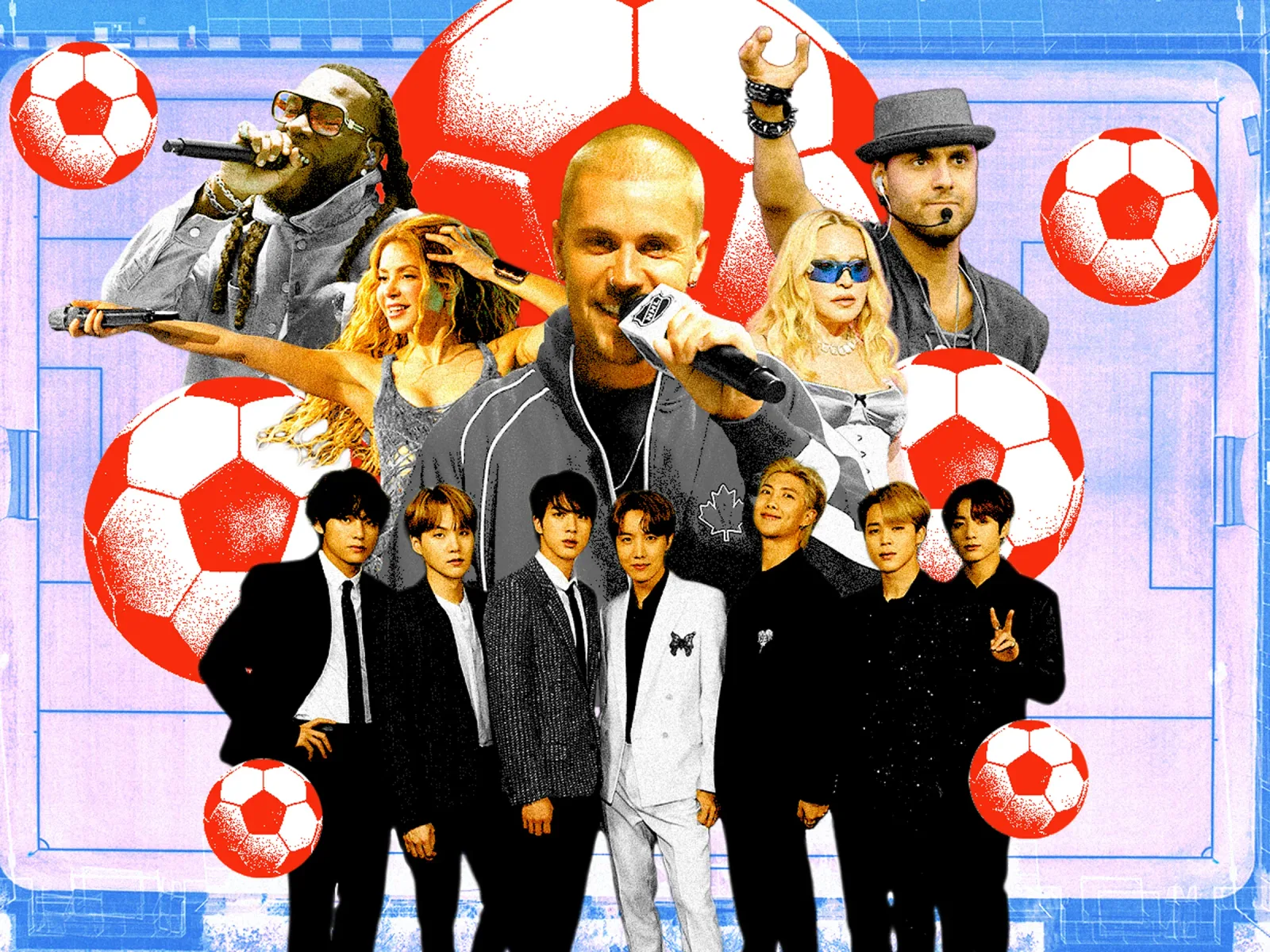
FIFA is making a bold move to transform the World Cup halftime show into the most viewed event in television history. The organization has assembled a star-studded lineup featuring Shakira, Justin Bieber, Coldplay, and BTS to drive this ambition. This strategy clearly signals a desire to mimic the massive commercial success of American football’s Super Bowl halftime spectacles.
According to recent reports, the goal is not just entertainment but a fundamental shift in how the tournament is consumed globally. By leveraging these global pop icons, FIFA aims to capture audiences who might not typically follow soccer. This approach represents a significant pivot from traditional sports broadcasting models that focus primarily on the athletic competition itself.
However, this Western-centric approach to sports entertainment may not resonate with the core soccer fanbase. Many supporters view the sport as a cultural institution rather than a vehicle for pop music performances. The tension between maintaining sporting integrity and chasing mass-market appeal is a delicate balance that FIFA must navigate carefully.
The inclusion of BTS and Coldplay highlights FIFA’s understanding of global digital trends. These artists command massive followings across diverse demographics and regions. Their presence suggests an intent to dominate social media conversations and streaming platforms during the break in play.
Yet, the risk of alienating traditional fans is real. Soccer culture often values authenticity and local identity over globalized corporate spectacles. If the halftime show feels too manufactured or disconnected from the host nation’s culture, it could backfire. Fans might perceive the event as prioritizing profit over passion.
This move reflects a broader trend in sports media where leagues compete for attention in an increasingly fragmented landscape. Other organizations are also experimenting with hybrid entertainment formats to boost engagement. The success of this strategy could set a new standard for how major sporting events are packaged and sold.
What this means for you: As AI tools become integral to content creation and audience analysis, understanding these shifts is crucial. Use an AI assistant to analyze social media sentiment around sports entertainment trends. Try this prompt: "Analyze the last five major sports halftime shows and identify key engagement metrics that drove viral success versus those that caused fan backlash." This will help you anticipate audience reactions to similar strategies in your own projects.
Reporting basis: original story
← back to The Wire