the wire · #ai · 2026-07-01
Google built a great smart speaker, but Gemini isn’t ready for it
Cech Tech Reviews
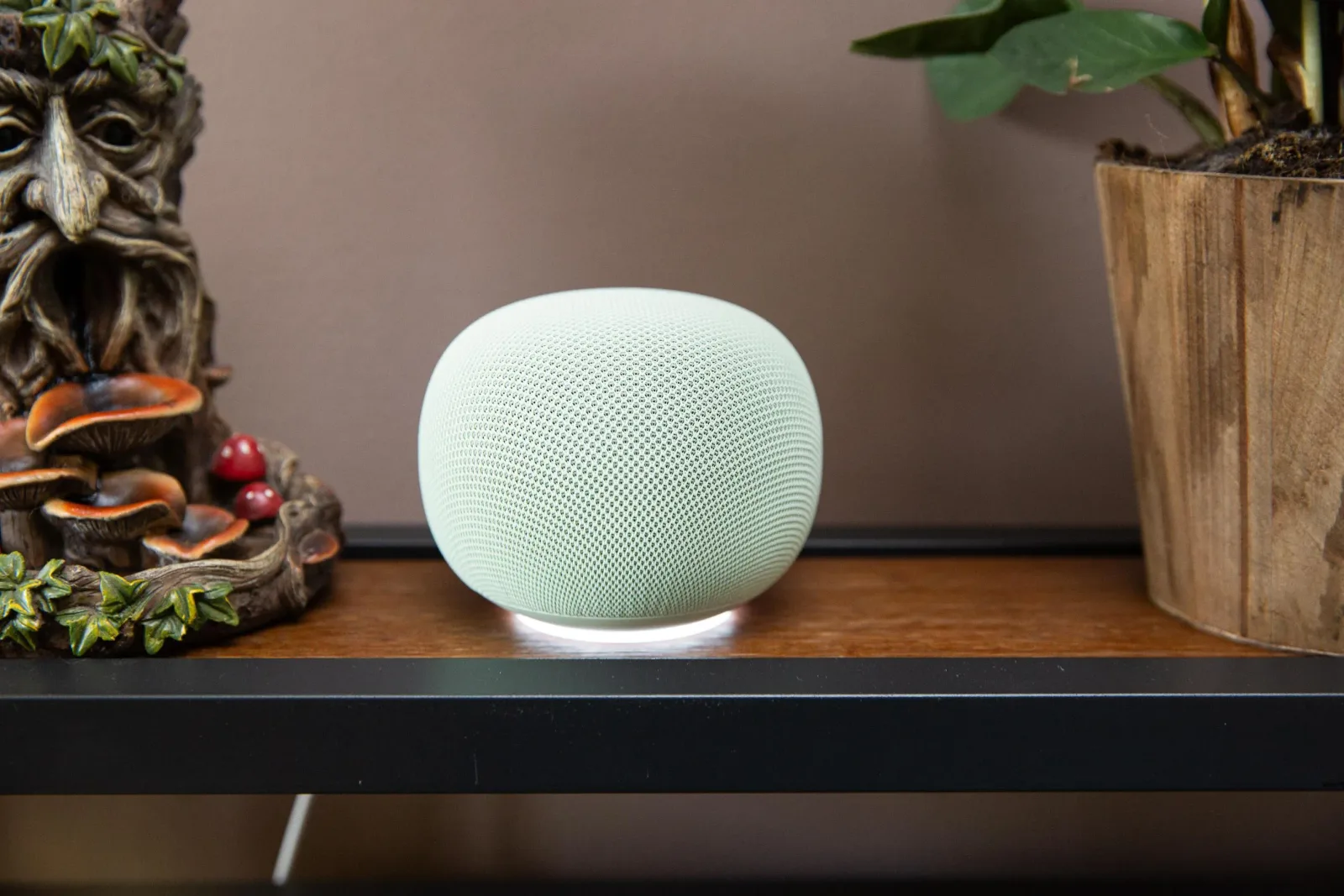
Google has officially re-entered the smart speaker arena with the new Google Home Speaker, marking its first major hardware launch in six years. According to The Verge, this device is positioned as the first hardware built specifically for Gemini, signaling a strategic pivot toward AI-centric home assistants. This move comes after years of the company seemingly neglecting the smart home category while competitors like Amazon pushed forward with updated Alexa capabilities.
The hardware itself receives high marks for its aesthetic appeal, breaking away from the utilitarian plastic designs that have dominated the market. It is described as a genuinely beautiful object that could fit comfortably on a kitchen counter without looking like tech clutter. This design focus suggests Google is trying to reclaim the emotional connection users once had with smart speakers before they became background noise.
However, the software experience tells a different story. The Verge notes that Gemini for Home still feels unfinished and lacks the maturity required to replace traditional smart home routines. While the promise of AI is exciting, the current implementation struggles to deliver the seamless, reliable automation that users expect from a dedicated home hub. The gap between the sleek hardware and the buggy software is stark and noticeable.
This launch highlights a broader industry challenge where AI hype is outpacing practical utility. Many companies are rushing to add large language models to existing devices without solving the core problems of latency, accuracy, and context awareness. The result is often a gimmicky experience that fails to justify the hardware cost or the real estate it occupies in a home.
For Google, this is a critical moment to prove that Gemini can do more than just answer trivia or write emails. It needs to demonstrate tangible value in managing a smart home, such as understanding complex natural language commands for lighting or climate control. Without this breakthrough, the new speaker risks being seen as a beautiful paperweight rather than a useful assistant.
The competition is heating up as Amazon and others also integrate generative AI into their ecosystems. Google cannot afford to lag behind in this race, but rushing a half-baked product into the market could damage its reputation for reliability. The company must balance innovation with stability to win back consumer trust in the smart home space.
What this means for you If you are considering upgrading your smart home setup, wait for the next firmware update. The current Gemini integration is not yet robust enough to replace your existing routines. In the meantime, use this opportunity to test how well your current AI tools handle context. Try this prompt with your AI assistant to refine your workflow: "Analyze my daily schedule and suggest three time-blocking strategies that account for my most frequent interruptions, then format them as a checklist." This helps you leverage AI for productivity while the smart home hardware catches up.
Reporting basis: original story
← back to The Wire