the wire · #ai · 2026-07-31
Google DeepMind’s new AI model can control a robot’s entire body
Cech Tech Reviews
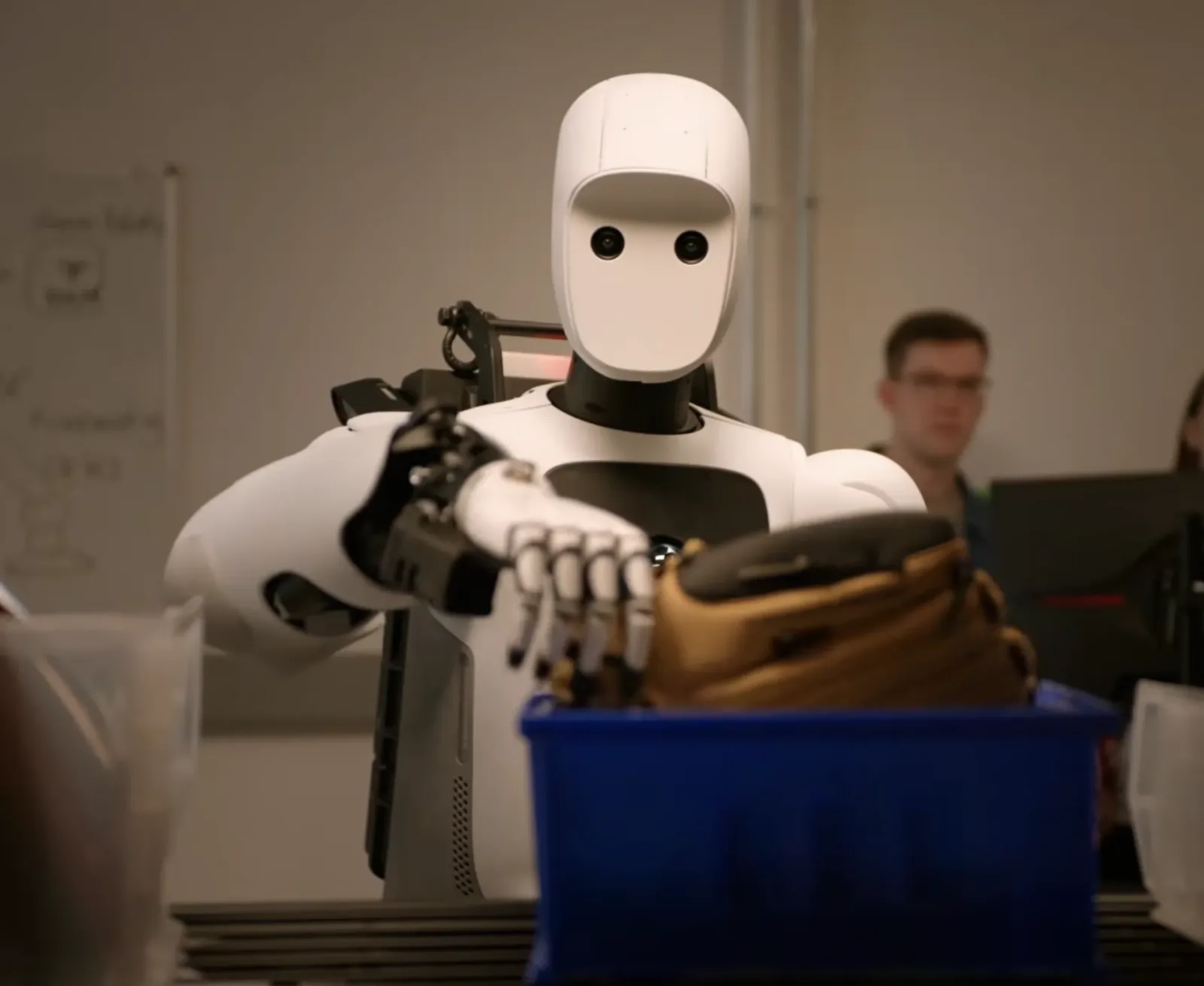
Google DeepMind has officially unveiled Gemini Robotics 2, a significant upgrade to its previous robotic control models. According to The Verge, this new iteration moves beyond the limitations of its predecessor, which was primarily focused on upper-body tasks. The latest model is designed to manage whole-body motions, giving humanoid robots the ability to coordinate movements from their feet all the way to their fingertips.
This technical leap is not just about academic curiosity. It represents a fundamental shift in how we approach physical AI. By integrating lower body stability with upper body dexterity, robots can now perform complex, multi-step tasks that require balance and mobility. This is a crucial prerequisite for deploying robots in unstructured environments like homes or warehouses.
The practical implications are already visible in the demonstration videos shared by Google. Apptronik’s Apollo 2 robot, powered by this new model, was shown bending down to pick up a watering can. It also successfully located and retrieved specific items from a high shelf. These actions require a level of coordination that previous models simply could not achieve reliably.
The ability to walk, crouch, stretch, and manipulate objects simultaneously changes the utility profile of humanoid robots. They are no longer just stationary arms on wheels. They become mobile agents capable of navigating dynamic spaces. This mobility is essential for any robot that hopes to assist humans in everyday tasks rather than just performing repetitive industrial work.
From an industry perspective, this signals that the race for general-purpose robotics is accelerating. The barrier to entry for creating useful humanoid robots is lowering as these foundation models become more capable. Companies like Apptronik are leveraging these advancements to build products that are closer to market readiness than ever before.
The integration of vision and language models with physical control is becoming the standard. Gemini Robotics 2 likely uses the same multimodal understanding that powers Gemini 2.0. This allows the robot to understand natural language commands and translate them into complex physical actions. It bridges the gap between digital intelligence and physical execution.
What this means for you: If you are building applications that interact with physical environments, keep an eye on how these whole-body models evolve. You might soon be able to integrate robotic control APIs into your workflows. Try this prompt with an AI assistant to brainstorm integration ideas: "List three scenarios where a humanoid robot with whole-body mobility would outperform a stationary robotic arm in a small business setting, focusing on logistics and customer service."
Reporting basis: original story
← back to The Wire