the wire · #ai · 2026-08-18
Google's Pet Memory forgot who my cats are
Cech Tech Reviews
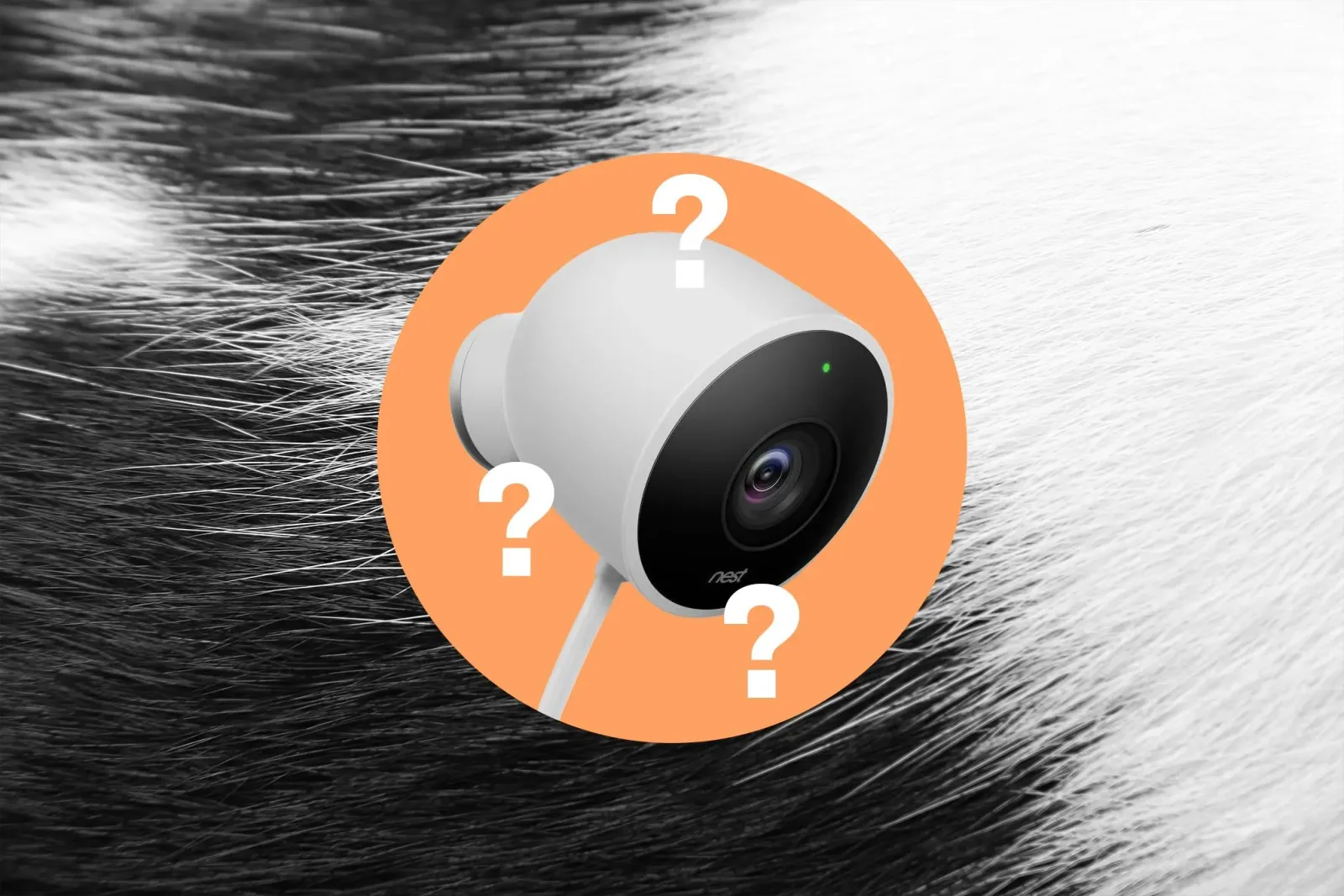
Google is pushing hard to make smart homes feel more intuitive, and their latest attempt centers on teaching devices to recognize specific pets. The Pet Memory feature for Gemini for Home is designed to move beyond simple motion detection. Instead of just alerting you that an animal entered the room, it aims to identify exactly which animal it is. This shift from generic alerts to specific identification represents a significant step toward truly personalized home automation.
The premise is undeniably appealing for pet owners who juggle multiple animals. Security cameras often send a relentless barrage of notifications for every movement. This noise makes it easy to miss critical events like a pet getting into trouble or needing attention. By filtering these alerts based on identity, Google hopes to reduce digital fatigue while improving the user experience for busy households.
However, the reality on the ground appears to be quite different from the polished demo. According to The Verge, early testing reveals that the system frequently fails to distinguish between individual pets. One user reported that the feature forgot who their cats were entirely. This suggests that the underlying computer vision models are not yet robust enough for complex real-world environments.
This failure highlights a common pitfall in current AI development. Companies often showcase ideal conditions where lighting is perfect and subjects are cooperative. Real homes are chaotic. Pets move quickly, hide in shadows, and often look similar to one another. The gap between controlled demos and messy reality is where most consumer AI features currently stumble.
The implications for the broader smart home industry are significant. If Google cannot reliably distinguish between two cats, how can it trust the system to adapt home settings safely? Imagine a scenario where the thermostat adjusts incorrectly or a door unlocks for the wrong animal. Trust is the currency of smart homes, and recognition errors erode that trust quickly.
This situation serves as a reminder that AI is still in its experimental phase for many daily tasks. Users should approach features like Pet Memory with cautious optimism. It is a powerful concept that requires more data and better edge computing capabilities to function reliably. Until then, it may add more confusion than convenience to your daily routine.
What this means for you: Do not rely on AI pet recognition for critical security or care tasks yet. Use it as a novelty rather than a primary monitoring tool. To test your own setup, try this prompt with your AI assistant to create a manual tracking workflow: "Create a checklist for manually verifying pet activity logs from my security camera, including timestamps and behavioral notes, to supplement unreliable AI alerts." This hybrid approach keeps you informed without trusting the black box entirely.
Reporting basis: original story
← back to The Wire