the wire · #ai · 2026-08-15
Have a laugh at AI’s expense by roleplaying as a chatbot
Cech Tech Reviews
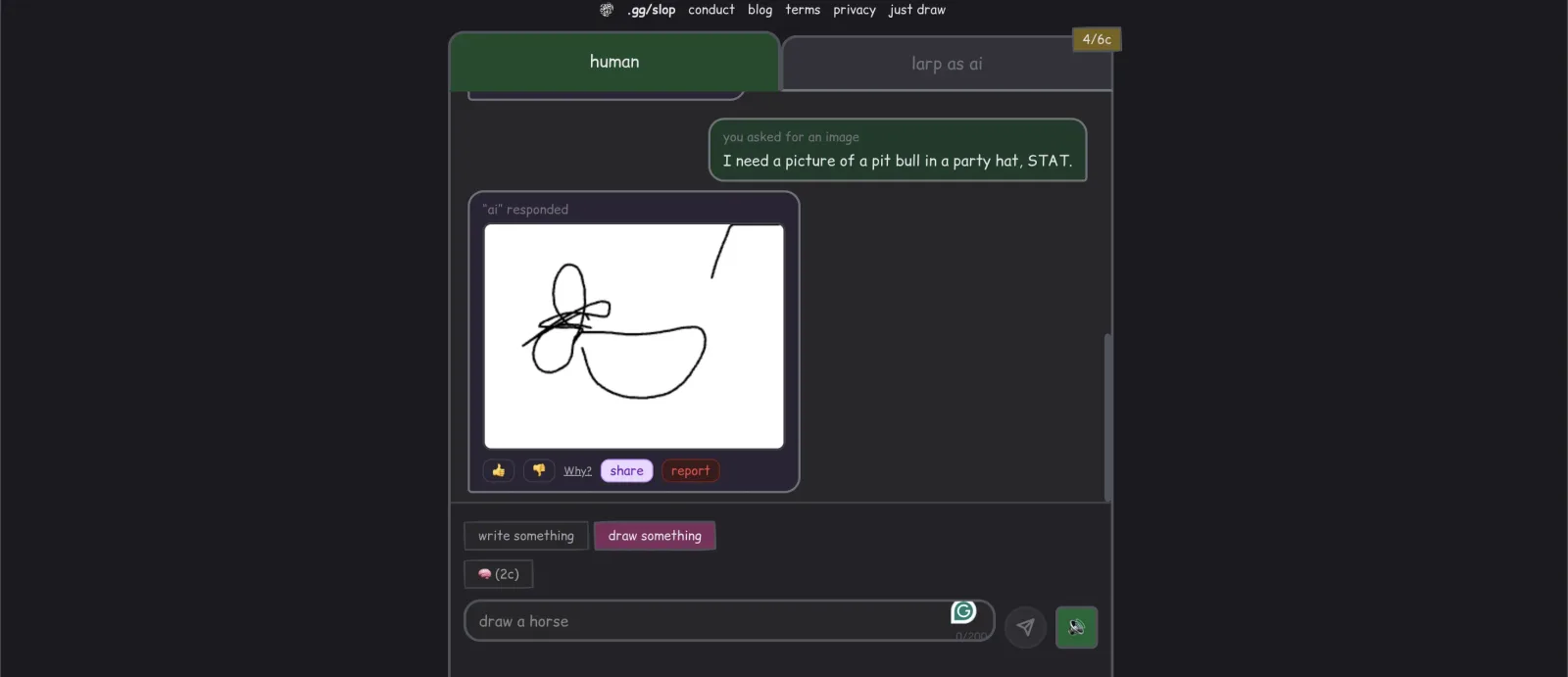
The Verge recently spotlighted a project that might seem like a joke at first glance, but it actually serves as a sharp commentary on the state of generative AI. The platform is called Your AI Slop Bores Me, and it strips away the magic of large language models to reveal the tedious mechanics underneath. It is a simple two-tab interface where one person acts as the human user and another acts as the simulated AI. This setup forces participants to experience the friction that users usually never see.
The mechanics are deceptively straightforward yet deeply revealing. You enter a request on one side and submit an answer on the other, but the catch is that a human is generating that response. The person playing the AI role has only 150 seconds to craft their reply. This time limit mimics the speed of real inference but highlights how much work goes into producing even basic outputs. It turns the seamless experience of chatting with a bot into a frantic exercise in performance.
What makes this experiment particularly interesting is the token economy it employs. Requests cost credits, and the only way to earn more credits is to jump onto the AI side and answer prompts yourself. You can wait for a free request every two minutes, but that pace is agonizingly slow compared to actual AI tools. This system mirrors the resource constraints of real models, making the user appreciate the computational power they usually take for granted.
The project also extends to image generation requests, adding another layer of complexity. Generating text is hard enough under a timer, but describing visual details for a human to interpret or draw is a whole different challenge. It exposes the gap between what we ask AI to do and the actual cognitive load required to produce high-quality creative work. The result is often hilarious, but it is also a sobering look at the effort behind digital content.
This trend of human-in-the-loop simulations is not just a novelty. It reflects a growing fatigue with the flood of low-effort content that AI has unleashed on the internet. By roleplaying as the bot, users are essentially mocking the very system that produces so much of the noise we encounter daily. It is a form of digital satire that resonates with anyone who has ever felt overwhelmed by automated responses.
The broader implication here is about the value of human creativity in an age of automation. When you have to manually generate responses, you realize how much nuance and care is often missing from standard AI outputs. The game highlights the difference between functional text and meaningful communication. It suggests that while AI can mimic structure, it cannot replicate the intent and effort that humans bring to the table.
What this means for you This experiment is a great reminder to stay critical of AI outputs. Instead of accepting the first draft from a model, use it as a starting point that requires human refinement. Try this workflow with your own AI assistant: paste a generic prompt into your tool, then ask it to rewrite the response as if it were written by a tired intern under a strict deadline. Compare that to a version where you explicitly ask for depth, nuance, and a unique voice. You will likely see how much more value you get when you direct the AI with clear intent rather than just accepting its default slop.
Reporting basis: original story
← back to The Wire