the wire · #ai · 2026-07-31
Here’s the problem with putting an AI image generator in Google Earth
Cech Tech Reviews
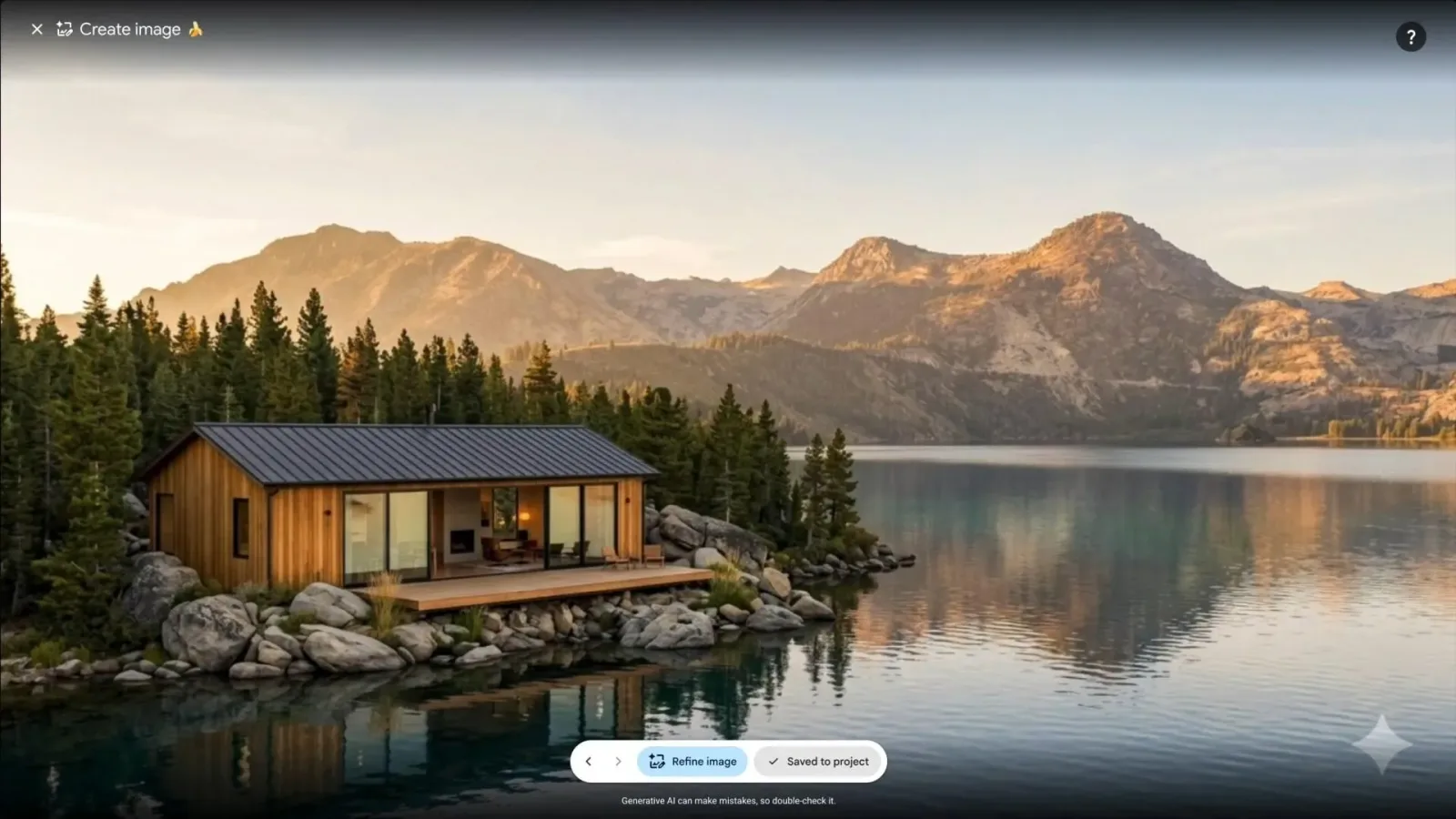
The integration of generative AI into Google Earth is a fascinating but deeply troubling development. You can now type a simple text prompt and watch satellite imagery transform into something entirely fictional. This isn't just a fun filter. It is a powerful tool that can rewrite the visual record of our world in seconds.
According to The Verge, this capability allows users to generate reality-warping images using existing satellite and aerial data. The implications are immediate and stark. We have already seen examples like fabricated scenes of refugees near borders or bomb craters near hospitals. These images look authentic because they are built on real geographic data.
Google has responded to these concerns by emphasizing their commitment to transparency. They state that every image created with the Nano Banana feature includes a SynthID digital watermark. This is a technical safeguard designed to help users identify AI-generated content. The company suggests that anyone unsure about an image can use the Gemini app or Google Lens to verify its origin.
However, relying on digital watermarks for trust is a fragile strategy. Watermarks can be stripped, ignored, or simply missed by the average viewer. The ease of sharing these images on social media often outpaces the speed of verification. When misinformation spreads, the damage is done before anyone checks the metadata.
This situation highlights a broader crisis in digital media. As AI tools become more accessible, the line between reality and fabrication blurs. We are moving toward a world where seeing is no longer believing. The burden of proof shifts from the creator to the consumer, which is an unfair and dangerous dynamic.
For professionals who rely on accurate geographic data, this is a significant risk. Misinformation can influence public opinion, policy decisions, and even safety protocols. The potential for abuse is high, and the current safeguards may not be enough to prevent widespread confusion.
What this means for you is that you must become more skeptical of visual content. Always verify images using multiple sources before sharing or acting on them. Here is a prompt you can use with an AI assistant to help analyze suspicious images: "Analyze this image for signs of AI generation, focusing on inconsistencies in lighting, shadows, and text. Provide a confidence score for whether this image is real or synthetic based on visual artifacts."
The technology itself is impressive, but the societal impact is complex. We need better tools and more critical thinking to navigate this new landscape. Until then, we must assume that any image could be a fabrication.
Reporting basis: original story
← back to The Wire