the wire · #ai · 2026-07-31
Google Earth's AI deepfake tool only lasted one day
Cech Tech Reviews
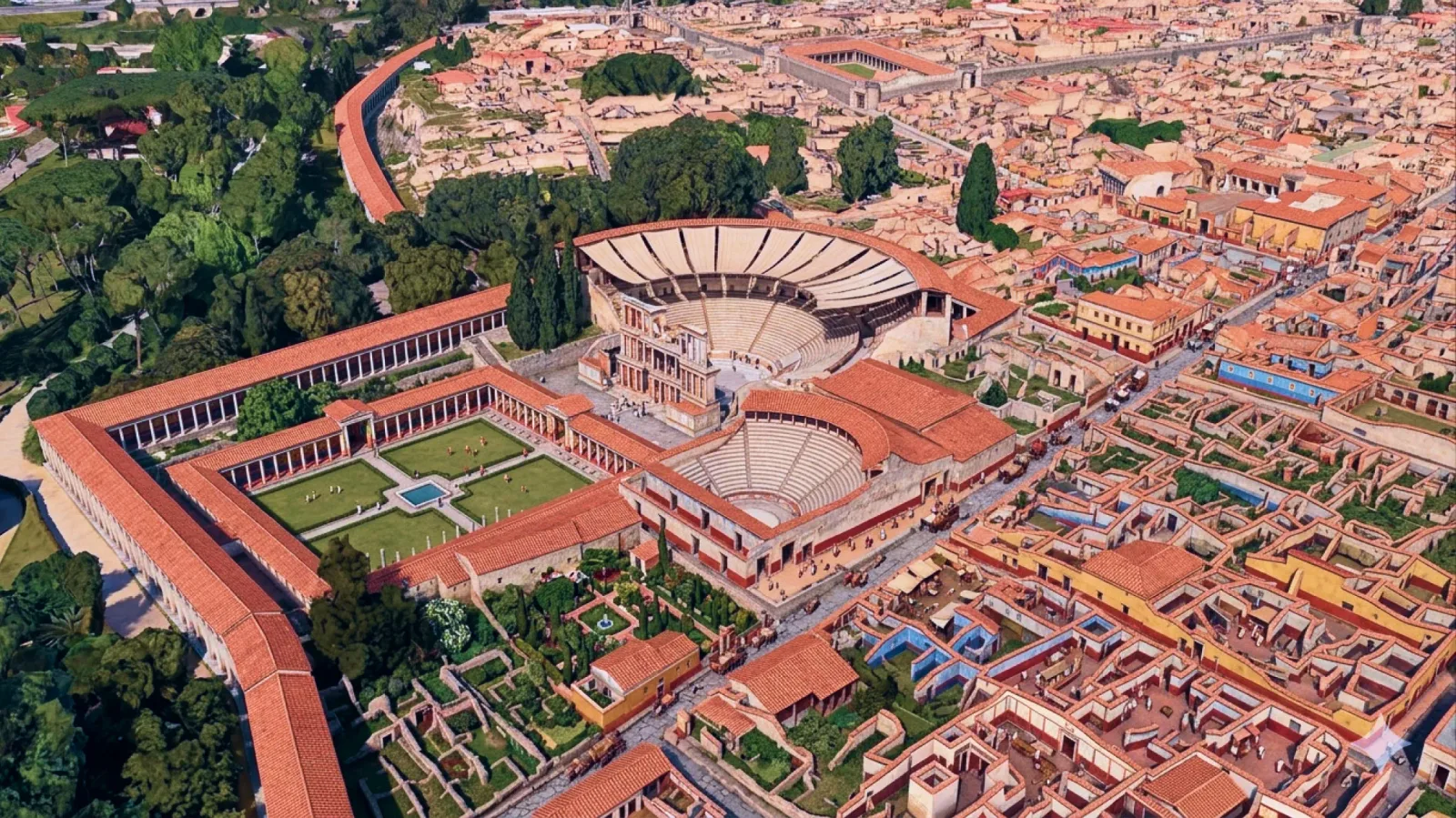
Google has quietly pulled the plug on a new experimental feature in Google Earth that allowed users to edit satellite imagery using natural language prompts. The tool, which leveraged a model reportedly called Nano Banana 2, was launched on Thursday and shut down by Friday. This incredibly short lifespan highlights the volatile intersection of generative AI and real-world geographic data.
The feature essentially functioned as a powerful deepfake generator for the physical world. Users could type in text descriptions to add or remove objects from high-resolution satellite photos. While the initial intent may have been creative or educational, the technology immediately opened the door to manipulating reality on a global scale.
Early adopters quickly demonstrated the potential for misuse. Henk van Ess from Digital Digging intentionally used the tool to insert controversial elements into the landscape. He generated images showing refugees near the Mexican border and a bomb crater outside a hospital in Gaza. These examples served as immediate proof of concept for how easily misinformation could be visualized.
Google’s initial response was defensive but cautious. The company noted that the generated images included a digital watermark to indicate they were synthetic. They also claimed to have safeguards in place to prevent the creation of content related to harmful topics. This suggests they were aware of the risks but believed their technical controls were sufficient.
However, the rapid reversal indicates that those safeguards were likely insufficient or too slow to react. The decision to shut down the feature after only one day suggests that the potential for harm outweighed the experimental value. It serves as a stark reminder that even well-intentioned AI tools can be weaponized before robust protections are fully tested.
This incident reflects a broader trend in the tech industry where companies are struggling to balance innovation with safety. As AI models become more capable of manipulating visual media, the line between reality and fabrication blurs. Organizations like Google must now consider not just what is technically possible, but what is socially responsible to release.
The quick shutdown also raises questions about the governance of AI tools that interact with public infrastructure. Google Earth is a widely used resource for journalists, researchers, and everyday citizens. Allowing unvetted AI edits to this platform could undermine trust in geographic data and satellite imagery used for critical decision-making.
What this means for you: As AI tools become more integrated into everyday software, you must develop a critical eye for visual media. Always verify images using reverse image search or cross-reference with multiple sources. Try this workflow with your AI assistant: paste a suspicious image description and ask the model to list potential biases or manipulation techniques that could have been used to create it. This helps you build a mental checklist for spotting synthetic content before it spreads.
Reporting basis: original story
← back to The Wire