the wire · #gadgets · 2026-07-11
HomeKit Weekly: The LNDU HK01W brings Apple Home Key and Wi-Fi to a budget-friendly lock
Cech Tech Reviews
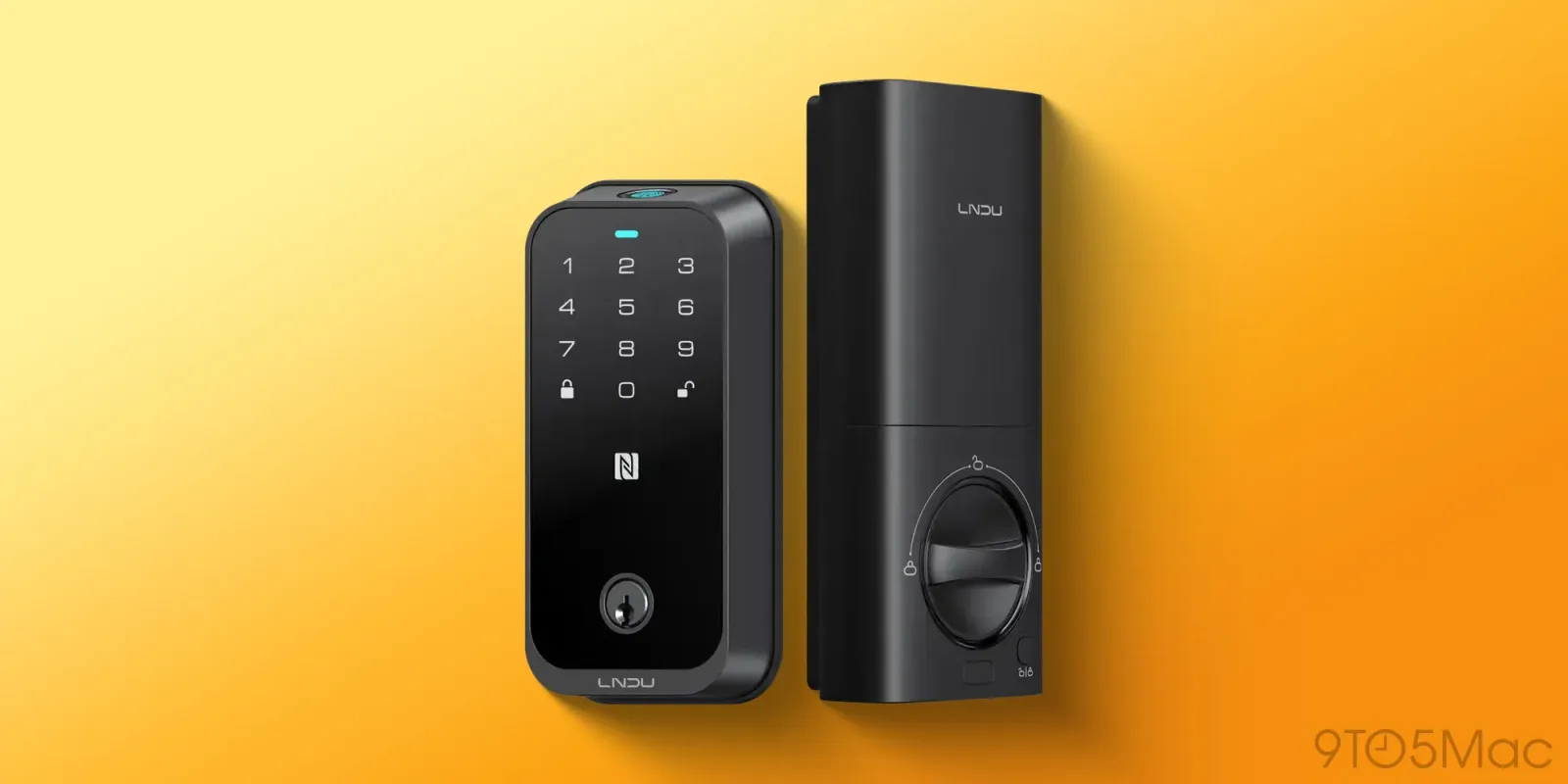
For years, the smart home ecosystem has felt divided. On one side, you have affordable gadgets that lack deep integration. On the other, you have premium devices that offer seamless experiences but demand a hefty price tag. The LNDU HK01W aims to bridge this gap by bringing Apple Home Key support to a much more accessible price point. According to recent reports, this lock costs around $100, which is a significant departure from the typical $200 or more price tag seen in this category.
Apple Home Key has become the gold standard for convenience in the Apple ecosystem. The ability to simply tap your iPhone or Apple Watch against the door and walk inside is undeniably slick. It removes the friction of fumbling for keys or remembering passcodes. However, until now, accessing this level of integration required a substantial investment in hardware that many casual smart home users were unwilling or unable to make.
The LNDU HK01W changes that dynamic by prioritizing native compatibility over bells and whistles. It does not try to be a full surveillance system or a complex hub. Instead, it focuses on doing one thing exceptionally well. It allows you to unlock your door using the same digital credentials you use for your car or office. This simplicity is its strongest selling point for the average consumer who just wants reliable access.
Pricing is the real disruptor here. By hitting the $100 mark, LNDU is targeting a demographic that has been largely ignored by premium smart lock manufacturers. These are users who want the Apple experience but do not want to spend a fortune on a single peripheral. This strategy forces competitors to reconsider their pricing models. It suggests that the market is ready for mid-tier options that do not sacrifice core functionality for cost savings.
From a technical standpoint, the reliance on Wi-Fi is a smart choice for this price bracket. It eliminates the need for a separate hub or bridge, which reduces both the initial cost and the complexity of setup. Users can integrate the lock directly into their Apple Home app without additional hardware. This plug-and-play approach lowers the barrier to entry significantly for new smart home adopters.
However, buyers should manage their expectations regarding features. At this price point, you are paying for the keyless entry experience, not for advanced security analytics or video recording. The value proposition lies in the convenience and the seamless integration with iOS devices. It is a functional tool for daily use rather than a high-tech security fortress. This distinction is crucial for setting realistic expectations before purchase.
The broader implication for the industry is clear. As technology matures, premium features trickle down to budget segments. This trend benefits consumers by increasing competition and driving innovation. It forces established players to justify their higher prices with superior build quality or additional services. For LNDU, the risk is maintaining reliability at a low cost. If the lock fails, the brand reputation suffers quickly in a competitive market.
What this means for you: If you are deep in the Apple ecosystem but hesitant to spend over $200 on a smart lock, the HK01W is worth a serious look. It democratizes the Home Key experience. Try this workflow to test your current setup: Open the Home app on your iPhone, go to Settings for your current lock, and check if Home Key is already enabled. If it is not, consider whether upgrading to a compatible lock like the HK01W would improve your daily routine enough to justify the $100 investment. You can also use an AI assistant to compare the feature lists of the HK01W against other budget locks to ensure it meets your specific security needs.
Reporting basis: original story
← back to The Wire